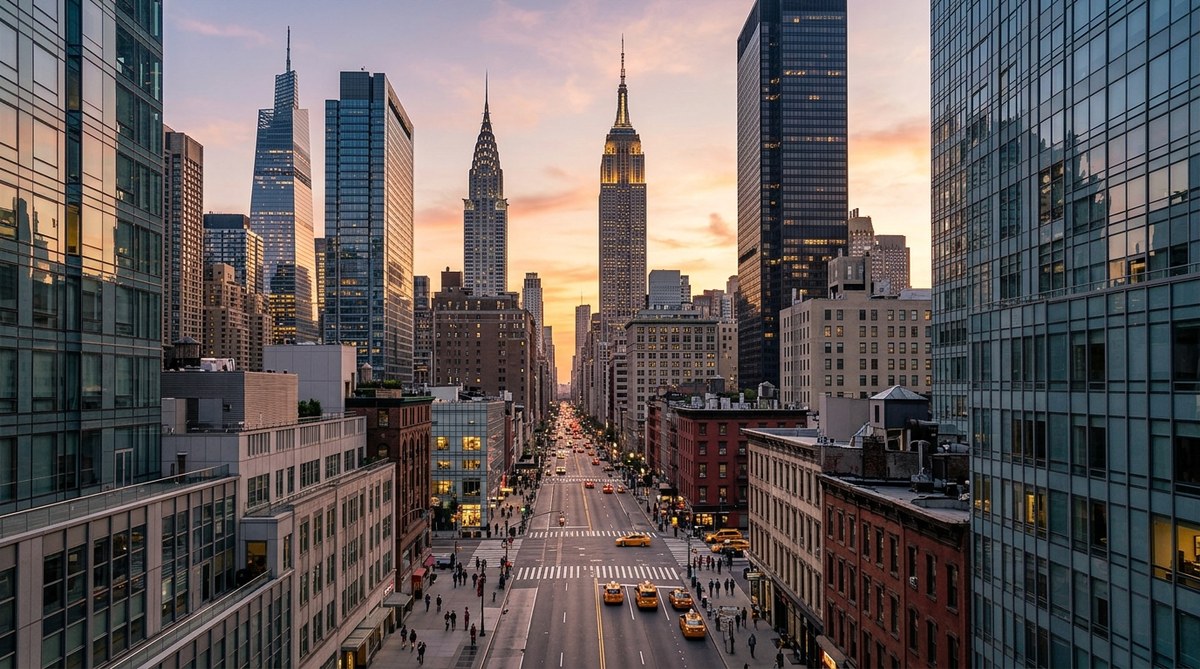
Planning your first trip to New York City is thrilling, but that one question can stop you cold: where should I stay? The city is massive, with five boroughs and hundreds of neighborhoods. Pick the wrong spot and you might spend your whole vacation on the subway. Pick the right one and you will feel like the city is yours. I have helped dozens of first time visitors figure this out, and the answer always comes down to your personal style, budget, and what you want to see. This guide will show you exactly where to stay in New York City for first timers, neighborhood by neighborhood, so you can book with confidence and start dreaming about bagels and skyline views.
For first time visitors, the best neighborhoods balance safety, convenience, and character. Midtown puts you steps from Broadway and Times Square but can feel crowded. The Flatiron District and Chelsea offer a central home base with great food and easy subway access. The Upper West Side gives you a calm, local feel near Central Park. SoHo and the West Village are perfect if you love boutique shopping and charming streets. Williamsburg in Brooklyn is great for nightlife and river views but requires a bit more travel time.
Why Your Choice of Neighborhood Matters More Than Your Hotel
New York City stretches over 300 square miles. Even Manhattan is long and skinny. A hotel on the Upper East Side might look close to the Lower East Side on a map, but the walk would take you two hours. Your neighborhood directly affects how much time you spend traveling, how safe you feel walking at night, and how authentic your trip feels.
First timers often assume they need to be in the heart of Times Square. That can work, but many travelers find it overwhelming. You want a spot that gives you easy access to major sights without feeling like you are in a theme park. The right neighborhood also helps you avoid tourist traps and overpriced meals. If you are interested in that topic, check out our guide on how to avoid tourist traps and overpriced restaurants in any city.
The 5 Best Neighborhoods for First Timers
I have narrowed the list to five areas that are safe, convenient, and rich in culture. Each one suits a different type of traveler. Read through them and see which one feels like home.
Midtown Manhattan: Best for Non Stop Sightseeing
Midtown runs from about 34th Street to 59th Street and includes Times Square, Rockefeller Center, Broadway theaters, and the Museum of Modern Art. If you want to be in the middle of everything and do not mind crowds, this is your spot.
Pros:
– Walking distance to nearly every major attraction.
– Endless subway lines connect you to all boroughs.
– Restaurants and late night delis everywhere.
Cons:
– Can feel chaotic and tourist heavy.
– Hotel prices are high for small rooms.
– Street noise can be loud day and night.
Best for: Visitors with a packed itinerary who want to minimize travel time.
Chelsea and the Flatiron District: Best Balance of Vibrancy and Calm
This area stretches from about 14th Street to 29th Street on the west side. It is close to the High Line, Chelsea Market, and the famous Flatiron Building. You get the energy of New York without the wall to wall crowds of Midtown. Many travelers tell me this is their favorite spot after they visit.
Pros:
– Easy subway access to downtown and uptown.
– Excellent food scene from street vendors to Michelin starred spots.
– Safer and quieter than Times Square at night.
Cons:
– Fewer big name attractions within the immediate area.
– Hotels fill up fast, so book early.
Best for: Travelers who want a central home base with a more local feel. If you are weighing hotel types, see our comparison of boutique hotels vs chain hotels.
Upper West Side: Best for a Relaxed, Local Vibe
The Upper West Side runs from 59th Street to 110th Street along Central Park West. It feels like a real neighborhood with tree lined streets, brownstones, and families. You are steps from Central Park, the American Museum of Natural History, and Lincoln Center.
Pros:
– Quiet and safe, even late at night.
– Great local restaurants and bakeries (try Zabar’s for a classic New York bagel).
– Direct subway lines to Midtown in 10 minutes.
Cons:
– Fewer budget hotel options.
– Nightlife is limited compared to downtown.
Best for: Solo travelers and couples who want a peaceful retreat after busy days.
SoHo and Greenwich Village: Best for Shopping and Charm
SoHo is famous for its cast iron architecture and high end boutiques. Greenwich Village has winding streets, jazz clubs, and Washington Square Park. These neighborhoods are trendy but still welcoming to first timers.
Pros:
– Incredible shopping and dining.
– Beautiful streets perfect for wandering.
– Strong sense of neighborhood character.
Cons:
– Hotels are pricey, and many are boutique with small rooms.
– Can be crowded on weekends.
Best for: Fashion lovers, foodies, and anyone who wants Instagram worthy streets.
Williamsburg, Brooklyn: Best for Nightlife and a Different Perspective
If you want to see a side of New York that most tourists miss, cross the East River to Williamsburg. It is known for indie music venues, rooftop bars, and a thriving art scene. The views of the Manhattan skyline from the waterfront are stunning.
Pros:
– Lively nightlife and diverse dining.
– Feels like a separate city with its own culture.
– Often more affordable than Manhattan.
Cons:
– You need to take the L train or ferry to reach many Manhattan attractions.
– Some streets are gritty after dark.
Best for: Travelers on a second or third trip, or adventurous first timers who want a unique experience. For more on choosing a neighborhood that fits your style, read the ultimate guide to choosing the right neighborhood for your stay.
How to Choose Your Neighborhood in 3 Simple Steps
Follow these steps to make the decision easier.
-
List your must see attractions. Write down everything you want to visit. Are most in Midtown (Times Square, Empire State Building) or downtown (One World Trade Center, Brooklyn Bridge)? This will guide your location.
-
Set your budget and travel style. Do you plan to use ride shares and taxis, or rely on the subway? If you prefer walking, pick a neighborhood closer to your targets. If you love public transit, any well connected area will work.
-
Decide your evening vibe. Do you want a quiet neighborhood to rest or a lively area with bars and clubs? Match that to the neighborhood above.
After you pick, book your hotel early. New York City hotels sell out months in advance, especially in popular areas. If you want insider tips on getting a good rate, check out insider tips for scoring last minute hotel deals in major cities in 2026.
At a Glance: Neighborhood Comparison Table
Here is a table to compare the five neighborhoods side by side.
| Neighborhood | Safety Rating | Convenience Score | Nightlife | Average Nightly Hotel Cost |
|---|---|---|---|---|
| Midtown Manhattan | High | 10/10 | High | $250-$400 |
| Chelsea / Flatiron | High | 9/10 | Medium | $200-$350 |
| Upper West Side | Very High | 8/10 | Low | $200-$350 |
| SoHo / West Village | High | 7/10 | Medium | $300-$500 |
| Williamsburg | Medium | 6/10 | Very High | $150-$300 |
Note: Prices are approximate for 2026 and vary by season. Safety ratings are based on current crime reports and traveler feedback.
What Locals Say About Staying in Their Neighborhood
I asked a few New Yorkers who live in these neighborhoods to share their honest advice. Here is what they told me.
“If you stay in Midtown, you will see all the big stuff, but you will miss the real New York. The Upper West Side is where I live, and I always tell first timers to come here. You get Central Park, great food, and a real community. Take the subway to Times Square in ten minutes and come back to peace.” — Maria, lifelong Upper West Side resident
“Williamsburg is great for a night out, but the commute adds up. If you only have three days, stay in Manhattan. If you have a week, try Williamsburg for a few nights.” — James, Williamsburg bartender
That local perspective is valuable. For more insights from people who know the city best, see our article on where do locals actually recommend tourists stay.
Common Mistakes First Timers Make When Booking
Many travelers fall into the same traps. Avoid these.
- Booking too far from a subway station. A 20 minute walk to the train turns a 30 minute commute into an hour.
- Choosing a hotel in a sketchy area to save money. Some cheap hotels in the outer boroughs are in isolated spots. Stick to the neighborhoods above.
- Ignoring noise levels. Hotels above bars or on major avenues can be loud. Read recent reviews about noise before booking.
- Forgetting that New York City is vast. Do not try to stay in one spot and visit everything in a single day. Accept that you will need to move around.
If you want a deeper dive into avoiding pitfalls, check out 7 red flags to watch for when booking accommodations online.
Your First NYC Trip Starts Here
Choosing where to stay in New York City for first timers does not have to be stressful. Focus on what matters most to you. Do you want to be in the thick of the action? Go with Midtown. Prefer a comfortable, local atmosphere? The Upper West Side is calling. Crave charm and shopping? SoHo or Chelsea will deliver. Whatever you pick, you will have an amazing time. The city is waiting, and now you know exactly where to rest your head after a day of exploring. Book that room, pack your walking shoes, and get ready for an adventure you will never forget.