Airport Lounge Access Without Premium Credit Cards: 7 Secret Methods

You don’t need a fancy credit card to enjoy airport lounges. Most travelers assume these comfortable spaces with free food, drinks, and WiFi are reserved for business class passengers or people with p…

You don’t need a fancy credit card to enjoy airport lounges. Most travelers assume these comfortable spaces with free food, drinks, and WiFi are reserved for business class passengers or people with premium cards. That’s not true. Several legitimate ways exist to access these lounges without paying annual fees or upgrading your ticket.

Key Takeaway

Airport lounge access is available through day passes, lounge membership programs, [airline loyalty status](https://en.wikipedia.org/wiki/Airline_loyalty_program), travel companion perks, certain bank accounts, and booking strategies. You can enjoy premium amenities like comfortable seating, complimentary food and beverages, reliable WiFi, and quiet workspaces without holding expensive credit cards. These methods range from $25 single visits to annual memberships under $100, making lounge access affordable for budget-conscious travelers.

Purchase Day Passes Directly

Most airport lounges sell day passes at the entrance or through their websites. This straightforward approach lets you pay for single visits when you need them.

Priority Pass operates in over 1,300 lounges worldwide and offers individual day passes for around $32 each. You can buy these online before your trip or sometimes at the lounge door. LoungeKey and DragonPass work similarly, giving you access to hundreds of lounges for per-visit fees.

Plaza Premium Lounges appear in major airports across North America, Asia, and Europe. Their day passes typically cost between $40 and $60 depending on location. You can book directly through their app or website up to 72 hours before your flight.

Here’s a practical comparison:

Program Average Cost Per Visit Number of Lounges Advance Booking
Priority Pass $32 1,300+ Yes
LoungeKey $30-35 1,100+ Yes
Plaza Premium $40-60 60+ Up to 72 hours
Independent Lounges $25-75 Varies Sometimes

Some independent lounges sell their own day passes without requiring membership in any program. The Centurion Lounge locations occasionally allow walk-in purchases when not at capacity, though this varies by airport and time of day.

Join Lounge Membership Programs

Airport Lounge Access Without Premium Credit Cards: 7 Secret Methods — image 1

Annual lounge memberships cost less than premium credit cards and provide unlimited or discounted access throughout the year.

Priority Pass offers a standard membership for about $99 annually, then charges around $35 per visit. Their higher tiers include a certain number of free visits before charging additional fees. If you travel more than twice per year, this often beats buying individual day passes.

LoungeBuddy sells an annual pass for approximately $199 that includes multiple lounge visits. The app also shows real-time lounge availability, amenities, and reviews so you can choose the best option at your airport.

Regional programs work well for frequent travelers who stick to certain areas. The Club at ATL serves Hartsfield-Jackson Atlanta International Airport exclusively and costs around $350 annually for unlimited access. If Atlanta is your home airport or frequent connection, this beats paying per visit.

Consider these factors when choosing a membership:

  • How many trips you take annually
  • Which airports you use most often
  • Whether you travel with companions who need access too
  • If the program includes guest passes

Many programs let you add guests for an extra fee, typically $30 to $35 per person. This matters if you travel with family or colleagues.

Earn Airline Loyalty Status

Airlines grant lounge access to frequent flyers who reach certain status levels. You don’t need to fly business class or hold their credit card.

Most major carriers offer lounge access starting at their mid-tier status levels. United MileagePlus Premier Gold members can access United Club lounges when flying internationally. American Airlines Platinum Pro members get Admirals Club access on international flights. Delta SkyMiles Platinum Medallion members receive Sky Club access regardless of ticket class.

The catch? You need to fly enough to earn status. This typically means:

  1. Flying 25,000 to 50,000 miles per year on that airline
  2. Taking 25 to 50 flights annually
  3. Spending $3,000 to $6,000 on tickets

Status often comes with additional perks beyond lounge access. Free checked bags, priority boarding, complimentary upgrades, and better customer service make the effort worthwhile for regular travelers.

Some airlines sell status or let you purchase lounge access separately. Alaska Airlines offers a lounge membership for around $450 annually, available to anyone regardless of flight frequency. United sells a Club membership for approximately $550 per year.

If you fly the same airline regularly for work or family visits, status is the most cost-effective long-term strategy for lounge access. The benefits compound over time as you maintain or advance your tier level.

Use Your Existing Bank Account Benefits

Airport Lounge Access Without Premium Credit Cards: 7 Secret Methods — image 2

Several banks include lounge access as a checking or savings account benefit. These accounts often have lower fees than premium credit cards while providing similar perks.

Bank of America offers lounge access through their Preferred Rewards program. Customers who maintain certain balance levels receive Priority Pass memberships with multiple free visits annually. The required balances start around $20,000 in combined accounts.

HSBC Premier checking accounts include complimentary Priority Pass membership with unlimited lounge visits. The account requires a $75,000 balance across HSBC accounts or a $5,000 monthly direct deposit to waive the monthly fee.

Charles Schwab Platinum debit card holders get lounge access benefits in some cases, though the specific program varies. Many investment accounts from major brokerages include travel perks that extend to airport lounges.

Check your current bank’s premium account offerings. You might already qualify based on your existing relationship or could easily meet requirements by consolidating accounts.

Book Through Specific Travel Platforms

Certain booking platforms bundle lounge access into their service or offer it as an add-on.

Amex Travel allows non-cardholders to book through their platform and sometimes includes lounge access options. You pay a small fee but gain entry to premium lounges without needing their credit card.

Some online travel agencies partner with lounge programs to offer discounted day passes when you book flights through them. Expedia occasionally runs promotions that include lounge vouchers with certain ticket purchases.

Corporate travel booking platforms often negotiate lounge access for their users. If your employer uses a managed travel service, check whether lounge passes are available as part of your booking options.

Fly During Promotional Periods

Airlines and lounge operators run promotions that grant temporary access to new customers or specific passenger groups.

New lounge openings typically include promotional periods where any passenger can visit for free or at steep discounts. When American Airlines opens a new Admirals Club location, they often offer free visits for the first few weeks to generate buzz.

Holiday promotions around Thanksgiving, Christmas, or summer travel season sometimes include lounge access deals. Sign up for airline newsletters and follow lounge programs on social media to catch these offers.

Some lounges offer birthday promotions or anniversary specials. Plaza Premium occasionally runs campaigns where you can visit free on your birthday with proof of identification and a same-day boarding pass.

Leverage Travel Companion Programs

Traveling with someone who has lounge access? Many programs allow guests.

Most airline lounges let members bring one or two guests for free. If your travel companion has status or a lounge membership, ask if you can join them. Priority Pass memberships typically include guest privileges, though some charge a reduced fee per guest.

Business travelers often have lounge access through corporate accounts. If you’re traveling with a colleague, they might be able to bring you along at no extra cost.

Family memberships exist for several lounge programs. Priority Pass offers family plans where additional cardholders pay reduced rates. If you travel regularly with a partner or family member, splitting a family membership costs less than individual memberships for each person.

Common Mistakes That Waste Money

Mistake Why It Costs You Better Approach
Buying day passes at the door Higher prices, possible sellouts Book online in advance
Not comparing lounge options Missing cheaper alternatives Use LoungeBuddy app to compare
Ignoring membership breakeven Overpaying for occasional use Calculate visits per year first
Forgetting to check bank perks Missing free access you already have Review account benefits annually
Arriving too early Wasting lounge time Enter 2-3 hours before departure

Many travelers buy the first lounge pass they see without checking if their airport has multiple options. San Francisco International Airport has several lounges with different price points and amenities. Spending five minutes comparing options can save $20 or more per visit.

Another common error is purchasing an annual membership after one frustrating airport experience. Calculate your breakeven point first. If you travel twice per year, individual day passes likely cost less than annual membership fees.

What You Actually Get Inside

Understanding lounge amenities helps you decide whether access is worth the cost for your situation.

Standard inclusions across most lounges:

  • Comfortable seating away from crowded gate areas
  • Complimentary WiFi that actually works reliably
  • Self-service food including snacks, light meals, and sometimes hot dishes
  • Unlimited non-alcoholic beverages
  • Alcoholic drinks (beer, wine, basic spirits)
  • Clean, private bathrooms
  • Charging stations for devices
  • Newspapers and magazines

Premium lounges add extras like:

  • Made-to-order food from menus
  • Premium alcohol selections
  • Shower facilities
  • Quiet rooms or sleeping areas
  • Business centers with printers
  • Conference rooms

The value depends on your needs. A three-hour layover becomes productive work time with reliable WiFi and quiet space. Early morning departures feel less painful with hot breakfast and coffee. Long international connections become manageable with shower facilities.

If you typically arrive at the airport 30 minutes before boarding and don’t care about food or WiFi, lounge access probably isn’t worth paying for.

Making the Most of Your Visit

Once you have access, maximize the value you’re getting.

Arrive at the airport earlier than usual to enjoy the lounge for at least 90 minutes. Rushing in for 20 minutes before boarding doesn’t justify the cost.

Eat a proper meal instead of buying expensive airport food. Many lounges serve substantial food that can replace lunch or dinner. A $30 day pass that includes a meal you would have purchased anyway effectively costs much less.

Use the business facilities if you need to work. Reliable WiFi, quiet space, and printing capabilities are worth significant money for remote workers or business travelers.

Take advantage of shower facilities on long travel days. Arriving refreshed at your destination after a shower and rest makes a real difference.

Stock up on snacks and water bottles for your flight if the lounge allows. Many travelers grab a few items to avoid paying for overpriced snacks on the plane.

Your Next Airport Experience

Airport lounges aren’t exclusive clubs for the wealthy. They’re practical spaces that improve your travel experience, and you can access them without premium credit cards or expensive memberships.

Start by checking if your current bank account includes lounge benefits. Then compare the cost of day passes versus annual memberships based on how often you fly. If you travel regularly on one airline, working toward status might be your best long-term strategy.

The next time you face a long layover or early morning departure, you’ll know exactly how to turn that stressful airport time into a comfortable break. Pick the method that fits your travel patterns and budget, then enjoy your first lounge visit.

The Ultimate Guide to Free Walking Tours in Every Major City

Paid tours cost anywhere from $30 to $100 per person. Free walking tours let you see the same landmarks, hear local stories, and meet fellow travelers without paying upfront. You tip what you think th…

Paid tours cost anywhere from $30 to $100 per person. Free walking tours let you see the same landmarks, hear local stories, and meet fellow travelers without paying upfront. You tip what you think the experience was worth at the end.

Key Takeaway

Free walking tours operate on a tip-based model where guides work for gratuities instead of fixed fees. You’ll find them in most major cities through platforms like GuruWalk, Civitatis, and local tourism boards. Tours typically last two to three hours, cover major landmarks, and expect tips between $10 to $20 per person based on group size and tour quality.

How Free Walking Tours Actually Work

The business model is simple. Guides don’t charge admission. They rely entirely on tips from participants who enjoyed the tour.

Most tours run daily at set times. You book a spot online or just show up at the meeting point. The guide checks you in, does a headcount, and starts walking.

Group sizes vary wildly. Some tours cap at 15 people. Others allow 30 or more. Smaller groups mean more interaction with your guide. Larger groups can feel impersonal but still deliver solid information.

Tours end at a different location from where they started. The guide wraps up, thanks everyone, and steps aside. That’s when participants hand over cash tips based on what they felt the tour was worth.

Guides keep 100% of tips in some companies. Others take a percentage to cover marketing and booking platforms. Either way, your guide’s income depends entirely on delivering value.

Where to Find Free Walking Tours

The Ultimate Guide to Free Walking Tours in Every Major City — image 1

Several platforms list tours across hundreds of cities:

  • GuruWalk covers Europe, Latin America, Asia, and North America with user reviews and photos
  • Civitatis offers free tours alongside paid experiences in the same cities
  • Freetour.com focuses on European destinations with detailed route maps
  • Local tourism websites often link to free tour operators in their city guides

Search “[city name] free walking tour” and you’ll find options. Read recent reviews to gauge guide quality and route coverage.

Many cities have multiple companies running similar routes. Compare start times, meeting points, and what landmarks each tour includes.

What to Expect on Your First Tour

You’ll meet at a central landmark. Look for someone holding a colorful umbrella, sign, or wearing a branded vest.

The guide introduces themselves, explains the tipping model, and sets expectations. They’ll mention how long the tour runs, where it ends, and any bathroom breaks along the way.

Most tours follow this structure:

  1. Introduction and icebreaker at the meeting point
  2. Walk to the first landmark with historical context
  3. Stop at three to six major sites with 5 to 10 minute explanations each
  4. Optional photo opportunities at scenic viewpoints
  5. Wrap-up with local recommendations and tipping time

Guides share stories, point out hidden details, and answer questions. Good guides make history feel relevant instead of reciting dates and names.

Wear comfortable shoes. You’ll walk two to four miles depending on the route. Bring water, especially in summer.

How Much Should You Tip

The Ultimate Guide to Free Walking Tours in Every Major City — image 2

Tipping etiquette varies by region and group size.

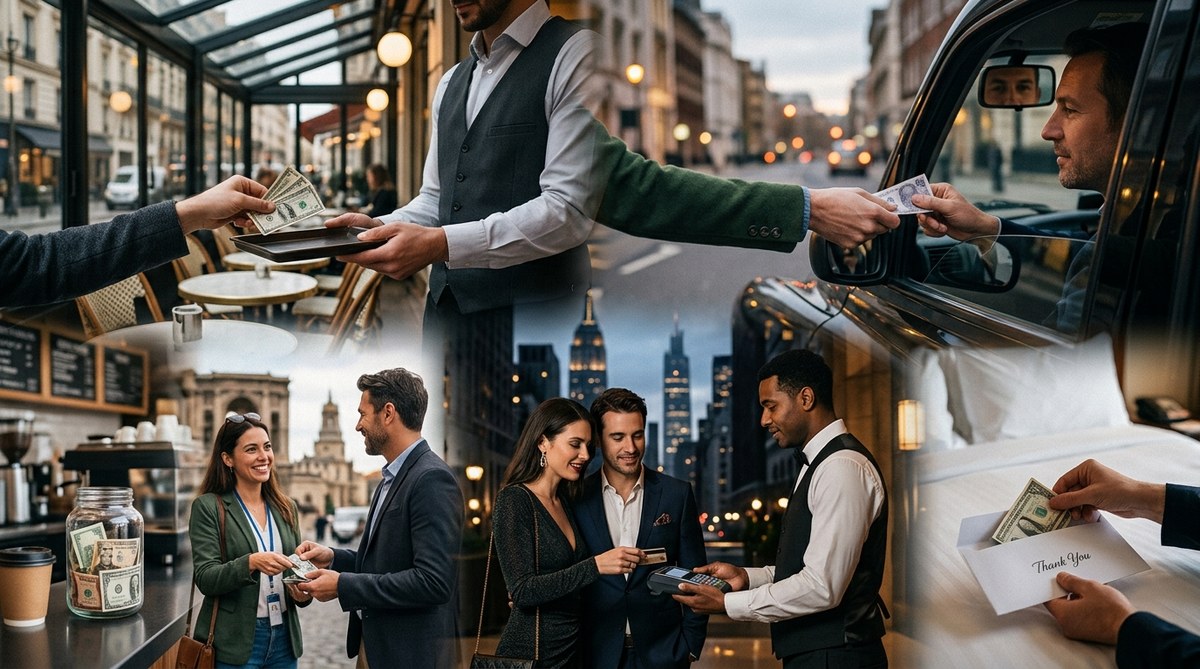
In Europe, travelers typically tip €10 to €15 per person for a two-hour tour. In Latin America, $5 to $10 USD is common. North American cities see $15 to $25 per person.

Consider these factors:

  • Tour length: Longer tours deserve higher tips
  • Group size: Smaller groups get more attention, which justifies tipping more
  • Guide effort: Did they go beyond basic facts? Share personal stories? Adjust pace for the group?
  • Your budget: Tip what feels fair for your financial situation

If the tour felt like a waste of time, you’re not obligated to tip. But if you learned something new and enjoyed yourself, compensate the guide fairly.

Cash works best. Some guides accept digital payments through Venmo, PayPal, or local apps, but have bills ready just in case.

Best Cities for Free Walking Tours

Certain cities have robust free tour scenes with multiple daily departures:

City Number of Operators Tour Themes Available
Berlin 8+ WWII history, street art, alternative culture
Prague 6+ Old Town, Jewish Quarter, Communist era
Budapest 7+ Pest side, Buda Castle, ruin bars
Barcelona 5+ Gothic Quarter, Gaudí, tapas walks
London 4+ Royal landmarks, East End, Harry Potter
New York 3+ Brooklyn Bridge, Lower Manhattan, Central Park

Smaller cities often have one or two operators running a single route. The quality can be just as high, but you’ll have fewer time slots to choose from.

Mistakes People Make on Free Tours

Showing up late disrupts the group. Guides often leave exactly on time because they have a route to complete within a set window.

Booking multiple tours in one day sounds efficient but leaves you exhausted. Space them out or pick one great tour instead of three mediocre ones.

Not researching the route beforehand means you might duplicate content. If you already visited a museum covering the same period, the tour might feel repetitive.

Forgetting cash is the most common mistake. ATMs aren’t always nearby when the tour ends. Guides rely on tips to make a living, so come prepared.

Treating the tour like it’s actually free misses the point. Guides invest hours preparing, learning scripts, and standing in all weather. They’re working. Compensate them.

Getting the Most Value from Your Tour

Ask questions during pauses. Guides appreciate engaged participants and will often share extra details or recommendations.

Take notes on restaurant names, hidden spots, or local tips the guide mentions. These insider suggestions often beat anything in guidebooks.

Arrive five minutes early to introduce yourself. Building rapport with your guide can lead to personalized advice about your trip.

“The best free tours happen when travelers treat guides like knowledgeable locals instead of walking Wikipedia pages. Ask about their favorite coffee shop or where they take visiting friends. You’ll get recommendations you can’t find online.” — Maria, Barcelona tour guide with four years of experience

Bring a friend or partner. Tours are more fun when you can discuss what you’re seeing, and splitting the tip cost makes budgeting easier.

When Paid Tours Make More Sense

Free tours cover broad overviews. If you want depth on a specific topic, paid specialized tours deliver more.

Food tours, bike tours, and boat tours rarely operate on a free model because they include equipment or tastings. The cost covers more than just the guide’s time.

Private tours let you set the pace, skip sites that don’t interest you, and ask endless questions without worrying about holding up a group.

Some travelers prefer knowing the exact cost upfront. Paid tours eliminate the mental math of calculating appropriate tips.

Booking Strategies That Save Time

Reserve spots online even though tours are free. Popular routes fill up, especially during peak tourist season.

Check cancellation policies. Most free tour platforms let you cancel up to 24 hours before without penalty.

Read reviews from the past three months. Guide quality changes as staff turnover happens. Recent feedback matters more than ratings from two years ago.

Look for tours that end near attractions you plan to visit next. This saves backtracking across the city.

What Guides Want You to Know

They’re not volunteers. This is their job, and tips are their salary.

Weather doesn’t cancel tours unless conditions become dangerous. Guides show up in rain, heat, and cold. Dress appropriately and don’t complain about conditions they can’t control.

Large groups make it harder to hear and ask questions. If you see 40 people gathered, consider booking a different time slot.

Guides notice who tips and who doesn’t. While they won’t call anyone out, they remember faces. If you plan to take multiple tours with the same company, your reputation travels.

Alternative Free Tour Formats

Self-guided audio tours through apps like GPSmyCity or Rick Steves Audio Europe cost nothing and let you move at your own pace.

Local universities sometimes offer student-led tours as part of tourism or history programs. These are genuinely free but less frequent.

Meetup groups organize casual walking explorations where locals show visitors around without formal scripts or tipping expectations.

City tourism offices occasionally run free guided walks during festivals or special events. Check event calendars when planning your trip.

Making Tours Work with Kids

Most free walking tours welcome children but aren’t designed for them. Two-hour walks with historical commentary lose young attention spans fast.

Look for family-specific tours if traveling with kids under 10. These cost money but include activities, shorter distances, and age-appropriate stories.

Bring snacks and entertainment for waiting periods. Your guide won’t appreciate children running around or interrupting constantly.

Consider splitting up. One adult takes the tour while the other explores a nearby park or museum with the kids, then swap the next day.

Why This Model Benefits Travelers

You control the cost based on your budget and satisfaction level. A disappointing tour costs you nothing beyond time.

Guides stay motivated to deliver excellent experiences because their income depends on it. There’s no incentive to phone it in.

You can sample multiple tour companies in the same city without spending hundreds on admission fees.

The model creates opportunities for knowledgeable locals to earn income in tourism without needing expensive certifications or licenses in some cities.

Your Next Steps

Pick a city you’re visiting soon. Search for free walking tour options and read reviews from the past month.

Book a tour for your second day in the city. This gives you orientation and ideas for the rest of your trip.

Budget $15 to $20 per person for tips. Adjust based on tour length and your overall travel budget.

Show up on time, ask questions, and tip fairly. You’ll walk away with stories, photos, and a better understanding of the place you’re visiting.

How to Fly Business Class for Economy Prices: 15 Proven Strategies

Flying business class doesn’t have to drain your savings account. Thousands of travelers sit in lie-flat seats, sip champagne, and skip airport crowds while paying a fraction of the sticker price. The…

Flying business class doesn’t have to drain your savings account. Thousands of travelers sit in lie-flat seats, sip champagne, and skip airport crowds while paying a fraction of the sticker price. The difference between them and everyone else? They know which strategies actually work.

Key Takeaway

Flying business class affordably requires combining multiple strategies: earning and redeeming airline miles, booking during sales, bidding for upgrades, choosing less popular routes, and staying flexible with dates. Most travelers pay 50-90% less than retail prices by using credit card points, mistake fares, positioning flights, and airline loyalty programs strategically. Success comes from patience, planning, and knowing exactly when and where to book.

Master the Art of Airline Miles and Points

Credit card sign-up bonuses represent the fastest path to business class seats. A single card can deliver 60,000 to 100,000 points after meeting minimum spending requirements.

Those points translate directly into premium cabin flights. American Airlines AAdvantage miles can book business class to Europe for 57,500 points one-way. Chase Ultimate Rewards points transfer to United, allowing you to fly to Asia in Polaris business for 80,000 points.

The math works beautifully. Spending $4,000 in three months on groceries, gas, and bills you’d buy anyway nets you enough points for a transatlantic business class ticket worth $3,000 or more.

Here’s how to maximize your earning:

  • Open cards strategically during bonus promotions (75,000+ points)
  • Meet minimum spend naturally through regular expenses
  • Transfer points to airline partners during transfer bonuses
  • Combine points from multiple cards in the same family
  • Use shopping portals for bonus miles on everyday purchases

Many travelers maintain 2-3 cards simultaneously, rotating spending to hit bonuses throughout the year. This approach generates 200,000+ points annually without changing spending habits.

Book Award Flights During Sweet Spots

How to Fly Business Class for Economy Prices: 15 Proven Strategies — image 1

Airlines price award seats dynamically, but patterns exist. Certain routes, dates, and booking windows offer exceptional value.

Flying from the US to the Middle East via Qatar Airways Qsuite costs 70,000 American miles in business class. That same seat sells for $5,000+ in cash. The value per point exceeds 7 cents, far above the typical 1.5-2 cent benchmark.

Partner airlines create additional opportunities. Japan Airlines business class from the US to Tokyo costs just 60,000 Alaska miles. Turkish Airlines charges 52,500 miles for US to Europe flights in their excellent business product.

Timing matters enormously. Book 11-12 months out for the best availability on popular routes. Airlines release award seats in waves, with another batch appearing 2-3 weeks before departure when they assess remaining inventory.

“The difference between finding award availability and striking out often comes down to flexible dates. Search plus or minus three days from your ideal departure, and suddenly seats appear that looked impossible.” – Award travel expert

Bid Your Way Into Premium Cabins

Most major airlines now offer upgrade bidding systems. You submit an offer to upgrade from economy, and the airline accepts or declines based on demand.

United’s PlusPoints, Delta’s Upgrade Certificates, and third-party systems like Plusgrade make this possible. The winning bid often costs 30-50% of the fare difference between cabins.

A $600 economy ticket might upgrade to business class for an additional $400-800, while buying business outright would cost $2,500. You save $1,000+ by bidding strategically.

Best practices for upgrade bids:

  1. Research typical winning bid amounts on FlyerTalk forums
  2. Submit bids 5-7 days before departure when airlines assess loads
  3. Bid higher on routes with larger business class cabins
  4. Target off-peak travel days (Tuesday, Wednesday, Saturday)
  5. Increase bids slightly above round numbers ($510 instead of $500)

Airlines rarely share acceptance rates, but experienced travelers report 40-60% success rates when bidding intelligently on appropriate routes.

Hunt for Mistake Fares and Flash Sales

How to Fly Business Class for Economy Prices: 15 Proven Strategies — image 2

Airlines occasionally publish incorrect fares due to currency conversion errors, missing fuel surcharges, or system glitches. These “mistake fares” offer business class at economy prices.

A famous 2019 error priced Cathay Pacific business class from Vietnam to North America at $675 roundtrip. Normal cost: $4,000+. The airline honored most tickets.

Secret Flying, Going, and FlyerTalk’s Mileage Run forum track these deals in real time. Act within hours, as airlines correct mistakes fast.

Flash sales happen more predictably. Airlines dump unsold premium inventory 2-4 weeks before departure. Sign up for:

  • Airline email newsletters (actual deals, not spam)
  • Fare alert services for specific routes
  • Credit card travel portals that sometimes price match
  • Airline social media for 24-hour flash promotions

Sales typically run Thursday through Monday. Business class to Europe drops to $1,200-1,800 roundtrip during shoulder seasons, compared to $4,000+ normally.

Choose Strategic Routes and Positioning Flights

Geography determines pricing. Flying from New York to London in business class costs less than flying from Kansas City to London, even though the latter includes a domestic connection.

The solution? Positioning flights. Book a separate economy ticket to a major hub, then catch your discounted business class flight from there.

Consider this comparison:

Route Typical Business Class Price Strategy Actual Cost
Austin to Paris direct $4,200 Book separately $180 + $1,800
Dallas to Paris $1,800 Use major hub $1,800 total
Small city to Asia $6,500 Position to LAX $250 + $2,200

Secondary airports also offer savings. Flying into Oakland instead of San Francisco, or Newark instead of JFK, sometimes cuts business class fares by 30%.

Less popular routes price lower too. Business class to secondary European cities (Porto, Krakow, Bucharest) costs significantly less than London or Paris, even on the same airlines.

Time Your Bookings Perfectly

Airlines adjust prices constantly based on demand algorithms. Knowing when to book saves thousands.

For international business class, the sweet spot sits 3-6 months before departure. Too early and promotional fares haven’t appeared. Too late and inventory disappears.

Domestic upgrades work differently. Book economy far in advance for the lowest fare, then upgrade using miles or bid systems closer to departure.

Day of week matters significantly:

  • Tuesday and Wednesday departures cost 15-25% less
  • Sunday evening flights command premium pricing
  • Red-eye flights often price lower in business class
  • Holidays and school breaks spike by 40-60%

Seasonality creates huge variations. Business class to Europe in November costs half the June price. Asia sees similar patterns outside of cherry blossom season and major holidays.

Set fare alerts three months out. When prices drop 20% below average, book immediately. Prices rarely decrease further for premium cabins.

Leverage Airline Status and Loyalty Programs

Elite status unlocks upgrade opportunities unavailable to regular travelers. Airlines reward loyalty with complimentary and discounted upgrades.

Earning status requires flying 25,000-75,000 miles annually on a single airline or partners. The payoff includes:

  • Complimentary upgrades on domestic routes
  • Discounted upgrade costs using miles
  • Priority upgrade waitlists
  • Bonus miles accelerating future redemptions
  • Waived award booking fees

Status matching and challenges provide shortcuts. Fly one paid business class ticket, then request status based on that booking. Many airlines grant 90-day trial status to prove you’ll continue flying with them.

Credit cards offer another path. Premium cards like the Platinum Card provide automatic status with certain hotel programs, and some airlines extend benefits to cardholders.

Consolidate flying on one alliance (Star Alliance, Oneworld, or SkyTeam) to earn status faster. A United status member gets benefits on Lufthansa, Singapore Airlines, and 25 other partners.

Book Directly With Foreign Airline Websites

Pricing varies dramatically based on where you book. The same business class seat costs different amounts on different websites.

Airlines price based on point of sale and currency. A ticket from New York to Mumbai might cost $3,200 on United.com but only $2,400 when booked through Air India’s website for the exact same United-operated flight.

Try booking on:

  • The foreign carrier’s website in local currency
  • Partner airline websites for codeshare flights
  • Different country versions (.co.uk, .com.au, .de)
  • Travel agents specializing in international bookings

Use a VPN to access regional pricing, though airlines increasingly detect and block this practice. Clearing cookies between searches prevents dynamic pricing based on browsing history.

Always compare the same flight across multiple booking platforms. Price differences of $500-1,500 appear regularly for identical seats.

Consider Premium Economy as a Stepping Stone

Premium economy costs 50-100% more than economy but 60-70% less than business class. For budget-conscious travelers, it offers a middle ground with significant comfort improvements.

The cabin features more legroom, wider seats, better meals, and priority boarding. On 10+ hour flights, these upgrades matter tremendously.

More importantly, premium economy tickets upgrade to business class more easily. Airlines prioritize premium economy passengers for complimentary upgrades when business class has empty seats.

Some airlines price premium economy remarkably low during sales. Singapore Airlines, Lufthansa, and Air New Zealand frequently offer premium economy at just $200-400 above economy fares.

Calculate the upgrade cost from premium economy to business using miles or bids. Sometimes paying $1,000 for premium economy plus 30,000 miles to upgrade beats paying $3,000 for business class outright.

Use Stopover Strategies for Multiple Destinations

Many airlines allow free or cheap stopovers on award tickets. Book one ticket in business class that includes 2-3 cities for barely more miles than a direct flight.

Icelandair permits free stopovers in Reykjavik for up to seven days. TAP Portugal allows stops in Lisbon. Turkish Airlines encourages Istanbul layovers with free hotel stays for long connections.

This strategy works brilliantly with miles. An American Airlines award from the US to Europe costs 57,500 miles one-way in business. Adding a stopover in London before continuing to Rome costs the same 57,500 miles but delivers two destinations.

Search multi-city awards on airline websites. Many hide this option, requiring phone bookings. The extra $25-50 phone fee pays for itself when you score two business class flights for one award price.

Plan stopovers in cities you actually want to visit. A 23-hour layover in Doha becomes a free bonus trip rather than wasted time.

Watch for Credit Card Portal Bonuses

Bank travel portals occasionally offer outsized value for business class bookings. Chase Ultimate Rewards, American Express Membership Rewards, and Citi ThankYou points sometimes provide better redemption rates than transferring to airlines.

Portal bonuses stack with card earning rates. A 5x travel card used through the portal earns points on the purchase, while redeeming existing points at enhanced values.

Chase Sapphire Reserve cardholders redeem points at 1.5 cents each through the portal. A $2,000 business class ticket costs 133,333 points instead of the 200,000 points the same flight might require through airline partners.

Amex occasionally offers 35% point rebates on business class bookings through their portal. Book a $3,000 ticket for 300,000 points, receive 105,000 back, netting a 2.3 cent per point value.

Check portal pricing before transferring points to airlines. Once transferred, points can’t move back. Portal bookings also earn airline miles, elite qualifying credits, and provide better refund policies than award tickets.

Target Airline Sales and Promotions

Airlines run predictable sale cycles. Presidents Day, Memorial Day, Labor Day, and Black Friday consistently feature business class promotions.

Winter sales target summer Europe travel. Spring promotions discount fall Asia trips. Airlines want to fill seats 6-9 months out when booking patterns are most predictable.

Subscribe to airline newsletters, but filter them into a dedicated folder. Most emails contain no deals, but the 2-3 genuine sales per year deliver extraordinary value.

Transfer bonuses deserve special attention. Chase, Amex, and Citi periodically offer 20-30% bonuses when moving points to airline partners. A 30% bonus means 70,000 points become 91,000, potentially covering the difference between economy and business class awards.

Airline shopping portals multiply earnings. Buying gift cards through airline portals during bonus promotions can generate thousands of extra miles. A $500 purchase might earn 2,500 bonus miles on top of credit card rewards.

Book Separate One-Way Tickets

Roundtrip business class tickets often cost more than two one-way tickets on different airlines. Airlines price one-ways dynamically, creating arbitrage opportunities.

Fly to Europe on Norwegian’s affordable premium cabin, return on a discounted Lufthansa business class fare. Mix and match airlines based on whoever’s running sales for each direction.

This approach requires more research but saves substantially. A roundtrip from Los Angeles to Tokyo might cost $4,500 on one airline, while mixing United outbound ($1,800) and ANA return ($1,900) totals just $3,700.

Award tickets work similarly. Use American miles for the outbound flight, United miles for return. Different programs price the same routes differently based on their award charts and partner agreements.

One-way flexibility also helps when plans change. Modify one direction without paying change fees on both flights. During uncertain times, this flexibility carries real value.

Join Airline Newsletters and Loyalty Programs Early

Airlines reward members who’ve been with them longer. Some unpublished deals go only to established accounts.

Creating accounts costs nothing. Join every major airline’s program, even if you rarely fly them. Accounts stay active with minimal activity, and opportunities appear unexpectedly.

Promotional bonuses target specific member segments. New members get sign-up bonuses. Inactive members receive reactivation offers. Long-term members get anniversary bonuses.

Some airlines offer status matches or challenges only to members who’ve held accounts for 90+ days. Opening accounts now prepares you for future opportunities.

Link all accounts to a single email address. Use filters to organize promotions by airline. Check monthly for targeted offers that might not appear publicly.

Your Path to Affordable Business Class Flying

Flying business class affordably isn’t about luck. It’s about knowing which levers to pull and when to pull them.

Start with one or two strategies that match your situation. Earn credit card points if you have good credit and regular expenses. Hunt mistake fares if you’re flexible. Build airline status if you already fly frequently for work.

Layer strategies as you gain experience. Combine points earning with strategic booking windows. Stack status benefits with upgrade bidding. Mix positioning flights with award redemptions.

The travelers sipping champagne at 35,000 feet aren’t necessarily wealthier. They simply learned the system and use it consistently. Your first business class flight using these methods won’t be your last.