Getting ready for your first trip to London can feel overwhelming. The city is vast, full of history, culture, and vibrant neighborhoods. But with a well-planned itinerary, you can experience the high…
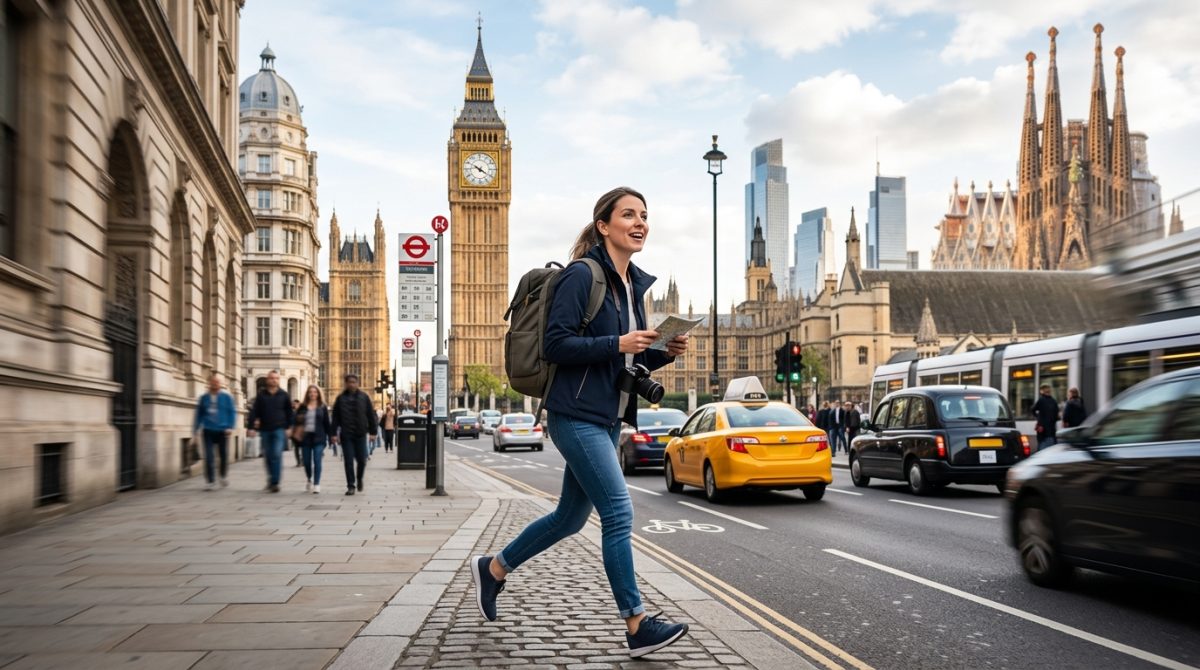
Getting ready for your first trip to London can feel overwhelming. The city is vast, full of history, culture, and vibrant neighborhoods. But with a well-planned itinerary, you can experience the highlights without feeling rushed. This guide is designed to help first-time travelers make the most of a 3-day London city tour. It combines must-see landmarks, local gems, and practical tips to ensure a smooth, fun, and unforgettable visit.
Key Takeaway
A 3-day London city tour for first-time visitors offers a perfect blend of iconic landmarks, cultural experiences, and local neighborhoods. Planning ahead and balancing sightseeing with downtime ensures a memorable, stress-free adventure.
How to Make the Most of Your 3-Day London Adventure
London is a city that rewards curiosity and planning. With careful organization, you can see a lot without wearing yourself out. Start by prioritizing your must-see sights, but leave space for spontaneous discoveries. Using public transportation like the Oyster card or contactless payment makes travel efficient and affordable. Consider booking tickets for popular attractions in advance to skip long lines. This way, your days stay flexible and fun.
Day 1: Discovering Central London’s Historic Heart
Begin your London journey with the city’s most recognizable landmarks and vibrant areas. Central London is home to royal palaces, grand squares, and cultural icons.
Morning: Iconic landmarks in Trafalgar Square and Westminster
Start at Trafalgar Square, the city’s bustling hub with Nelson’s Column and street performers. It’s perfect for a quick photo and soaking in the city vibe.
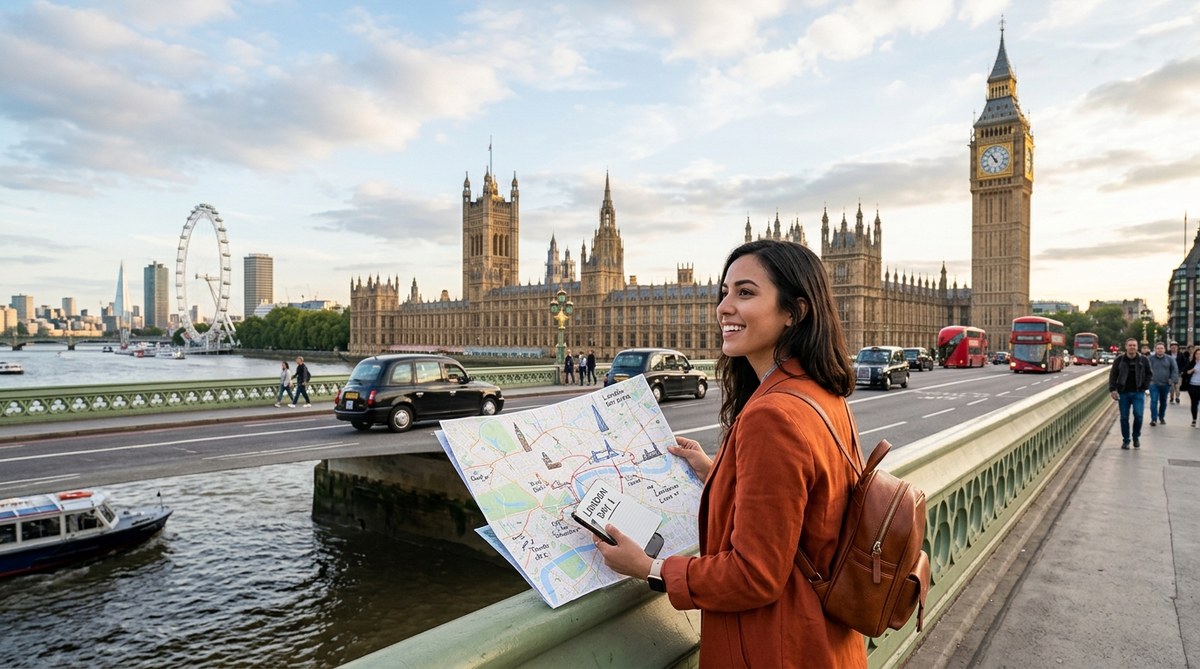
Walk to Westminster to see Big Ben and the Houses of Parliament. Cross over Westminster Bridge for stunning views of the London Eye.
Afternoon: Royal sights and lush parks
Head to Buckingham Palace to witness the Changing of the Guard ceremony. Check the schedule in advance to catch this colorful tradition.
Stroll through St James’s Park, right next door, for a peaceful break with views of the palace and plenty of ducks.
Evening: The West End magic
Wrap up your day in London’s theater district. Book tickets to a show in advance or just soak in the lively atmosphere around Leicester Square.
For dinner, try a cozy pub or a trendy restaurant in Soho, a neighborhood packed with options.
Day 2: From Cultural Treasures to Historic Fortresses
Shift gears to explore London’s rich history and vibrant neighborhoods.
Morning: Artistic and historic sites
Start at St Paul’s Cathedral, an architectural masterpiece. Climb to the dome for panoramic city views.
Visit the nearby Museum of London to understand the city’s layered past.
Afternoon: Tower of London and Tower Bridge
Book tickets for the Tower of London early to avoid lines. Discover its centuries of royal history and see the Crown Jewels.
Walk across Tower Bridge, one of London’s most iconic structures, and enjoy views of the Thames.
Evening: Riverside dining and local neighborhoods
Head to Borough Market for dinner. This lively food market offers everything from artisanal cheeses to global street food.
Take a stroll along the South Bank for stunning nighttime views of the city skyline.
Day 3: Neighborhoods, Markets, and Hidden Gems
Your final day is perfect for experiencing London’s diverse neighborhoods and lesser-known attractions.
Morning: Explore Covent Garden and Soho
Wander through Covent Garden’s charming shops and street performers.
Visit Neal’s Yard for colorful houses and boutique cafes. It’s a favorite spot for locals and visitors alike.
Afternoon: Discover the arts and parks
Walk to the National Gallery at Trafalgar Square to admire masterpieces by Van Gogh, Monet, and others.
Relax in Hyde Park, one of London’s largest green spaces, or rent a paddleboat on the Serpentine.
Evening: Unique sights and farewell
End your trip with a visit to the Sky Garden or the Shard for breathtaking views of London at sunset.
For a memorable dinner, consider a restaurant in the City or a cozy spot in Notting Hill.
Practical Tips for Your London Trip
Getting around: Purchase an Oyster card or use contactless payments for buses and the Tube. It saves money and time.
Booking tickets: Reserve tickets online for attractions like the Tower of London and St Paul’s Cathedral to skip lines.
Timing: Visit popular spots early in the morning or late in the afternoon to avoid crowds.
Comfort: Wear comfortable shoes. London’s streets are best explored on foot or via public transport.
Technique
Mistake to Avoid
Booking tickets in advance
Waiting in long lines for popular sights
Planning a balanced schedule
Overloading your days with too many sites
Using public transit
Relying solely on taxis or ride-shares, which can be costly
Leaving downtime
Missing out on spontaneous discoveries or relaxing moments
“Focus on quality experiences over quantity. A well-paced 3-day trip lets you enjoy London’s highlights without feeling exhausted.” — Local travel expert
Making Your London Adventure Truly Special
A 3-day London city tour for first-time visitors is about capturing the city’s essence. Mix major landmarks with local neighborhoods, enjoy the green spaces, and indulge in the city’s culinary scene. Keep your plans flexible, and don’t hesitate to explore a hidden alley or a quirky cafe. With thoughtful planning, your trip will be filled with memorable moments that inspire future visits.
Embrace the City’s Rhythm and Charm
London’s magic lies in its contrasts — historic buildings standing beside modern skyscrapers, bustling markets next to tranquil parks. Take each day as an opportunity to see something new, meet locals, and enjoy the city’s vibrant energy. Remember, the best trips are those where you feel connected and curious. Pack comfortable shoes, have your itinerary ready, but leave space for spontaneous adventures. Your unforgettable London experience awaits.
Feel encouraged to adapt this guide to your interests. Whether you’re a history lover, a foodie, or just someone wanting to soak in the city’s atmosphere, this 3-day plan will help you make the most of your visit. Enjoy every moment in London, and safe travels!
Looking to make the most of a weekend in Dubai? This vibrant city combines towering skyscrapers, luxurious shopping, rich culture, and stunning desert landscapes. Whether you’re visiting for the first…
Looking to make the most of a weekend in Dubai? This vibrant city combines towering skyscrapers, luxurious shopping, rich culture, and stunning desert landscapes. Whether you’re visiting for the first time or returning for a quick getaway, this guide will help you craft an unforgettable weekend filled with top sights, local experiences, and hidden gems. Dubai’s dynamic vibe makes it a perfect destination for a short trip that feels long on adventure.
Key Takeaway
A weekend in Dubai offers a whirlwind of iconic landmarks, cultural experiences, and luxe indulgence. Planning ahead ensures you hit the highlights without feeling rushed. Focus on strategic attractions, local dining, and unique activities to truly experience Dubai’s diverse personality in just a couple of days.
How to Plan a Memorable Weekend in Dubai
A well-structured plan transforms a short trip into a rich experience. Dubai’s attractions are spread across the city, so organizing your itinerary is essential. Here are practical steps to maximize your time:
Prioritize must-see sights based on your interests.
Book tickets and reservations in advance to avoid long lines.
Allocate time for travel between locations, considering Dubai’s traffic and transportation options.
With these steps, you’ll navigate the city efficiently and enjoy a balanced mix of sightseeing, dining, and relaxing.
Crafting Your Dubai Weekend Agenda
To get the most out of your limited time, consider dividing your weekend into themed days that cover the city’s highlights.
Day 1: Modern Marvels and Desert Adventures
Start your weekend with Dubai’s iconic modern skyline and exhilarating experiences.
Morning: Visit the Burj Khalifa and Dubai Mall
Kick off at the world’s tallest building. Pre-book your tickets for the observation deck to skip the lines and enjoy panoramic views of the city. The Dubai Mall nearby is more than a shopping center; it’s a mini city with aquariums, ice skating, and endless dining options.
Afternoon: Walk through Downtown Dubai and explore the Dubai Fountain
Stroll around the vibrant district, marvel at the fountain’s choreographed water shows, and enjoy some quick bites at local cafes.
Evening: Experience the Desert Safari
Book an evening desert safari that includes dune bashing, camel rides, and a Bedouin-style dinner. This adventure offers a glimpse into Dubai’s desert roots and a chance to see the city’s skyline from a distance.
Day 2: Cultural Heritage and Coastal Charm
Dedicate your second day to discovering Dubai’s history, traditional markets, and coastal attractions.
Morning: Visit Dubai Old Town and Al Fahidi Historic District
Explore the narrow alleyways, traditional wind towers, and art galleries. Stop by the Dubai Museum housed in Al Fahidi Fort for a quick history lesson.
Late Morning: Shop at the Gold and Spice Bazaars
Wander through these colorful markets, bargain for jewelry, spices, and souvenirs, and soak in the local ambiance.
Afternoon: Relax at Jumeirah Beach and visit the Burj Al Arab
Enjoy the sun and surf, then admire Dubai’s iconic sail-shaped hotel from the shoreline. Consider a quick photo stop or a seaside lunch at one of the nearby restaurants.
Evening: Dine at a rooftop restaurant overlooking the city
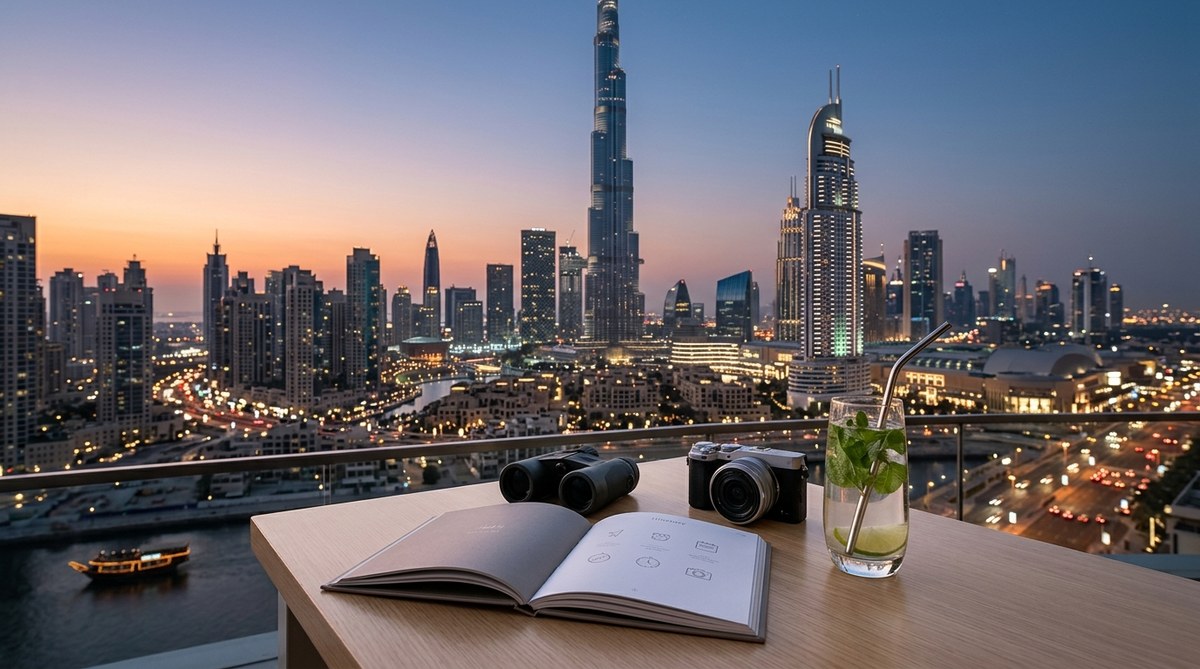
Cap off your weekend with dinner at a high-rise terrace that offers views of the illuminated skyline, perhaps at a place like At.mosphere in the Burj Khalifa or one of the trendy spots in Dubai Marina.
Insider Tips for a Seamless Weekend
Use these techniques to avoid common pitfalls and enhance your experience:
Technique
Mistake to Avoid
Book tickets online in advance
Waiting in long lines at popular attractions
Use Dubai’s metro system
Relying solely on taxis which can be slow during peak hours
Plan your routes to cover nearby sites
Overpacking your schedule and missing out on relaxed moments
Reserve dining reservations ahead
Finding limited availability at top restaurants
“Flexibility is key when exploring Dubai in a short time. Focus on your top priorities but leave room for spontaneous discoveries.”
— Dubai travel expert
Practical Process for a Smooth Trip
Research and book tickets early for must-see attractions like the Burj Khalifa and desert safaris.
Prioritize activities based on your preferences, whether it’s luxury shopping, cultural sites, or adventure sports.
Use Dubai’s efficient transportation options like the metro and ride-sharing apps to save time.
Must-Know Tips for First-Time Visitors
Timing matters: Visit outdoor attractions early in the morning or late in the afternoon to avoid the heat and crowds.
Dress code: Dubai is modern but modest. Wear respectful clothing, especially when visiting cultural sites.
Stay connected: Rent a local SIM card or portable Wi-Fi device to navigate easily and make reservations on the go.
Cultural sensitivity: Be mindful of local customs, particularly around public behavior and dress in religious or traditional areas.
Hidden Gems and Unique Experiences
While the main sights are a must, adding a few lesser-known activities enhances your trip:
Stroll through the Alserkal Avenue arts district for contemporary galleries and cafes.
Visit the Ras Al Khor Wildlife Sanctuary for a peaceful escape and birdwatching.
Take a boat tour around Dubai Marina for a different perspective of the skyline.
Experience a traditional Emirati meal at a local restaurant off the beaten path.
The Final Touch to Your Dubai Adventure
Wrapping up your weekend with a memorable activity or a relaxing moment leaves a lasting impression. Whether it’s watching the sunset from a rooftop bar or enjoying a quiet walk along the Creek, these moments encapsulate Dubai’s magic.
Final thoughts for your Dubai weekend
A weekend in Dubai can feel like a whirlwind, but with strategic planning, you can hit the highlights without rushing through. Focus on what excites you most, utilize smart booking, and embrace the city’s mix of ultra-modern and authentic traditions. This approach ensures your short stay will be packed with memories and new discoveries, inspiring you to return for a longer visit someday.
Sydney’s vibrant mix of iconic landmarks, stunning beaches, lush parks, and lively neighborhoods makes it a dream destination for Instagram enthusiasts. Whether you’re snapping the sails of the Opera …
Sydney’s vibrant mix of iconic landmarks, stunning beaches, lush parks, and lively neighborhoods makes it a dream destination for Instagram enthusiasts. Whether you’re snapping the sails of the Opera House, catching sunset on Bondi Beach, or capturing panoramic city views, Sydney offers endless opportunities for breathtaking photos. This guide highlights the most Instagrammable spots in Sydney, giving you all the inspiration and tips you need to elevate your travel feed.
Key Takeaway
Sydney is filled with picture-perfect locations that showcase its stunning architecture, natural beauty, and lively culture. From famous landmarks to hidden gems, this city offers an array of scenic spots perfect for capturing memories and sharing them on Instagram. Planning ahead ensures you get the best shots while enjoying your trip to this iconic Australian city.
The Best Ways To Capture Sydney’s Beauty
Getting stunning photos in Sydney requires more than just visiting the sights. It’s about understanding the best angles, times of day, and techniques to make your images stand out. Here are some practical steps to help you create picture-perfect memories.
Pick your spots strategically. Focus on locations with unique perspectives or iconic scenery.
Time your visits for optimal lighting. Early morning or late afternoon offers soft, warm light perfect for photography.
Use the right camera settings. Adjust ISO, aperture, and shutter speed to suit the environment and avoid blurry or overexposed images.
Top Instagrammable Spots in Sydney
1. Sydney Opera House and Circular Quay
The Sydney Opera House is a must-see for any visitor. Its distinctive sails create an instantly recognizable silhouette. For the best shot, visit at sunrise or sunset when the light hits the sails with a warm glow. Try capturing the Opera House from Mrs. Macquarie’s Point for a stunning view with the Harbour Bridge in the background. This spot is a favorite for both professional photographers and casual visitors alike.
2. Sydney Harbour Bridge
Climbing or photographing the Harbour Bridge offers some of the best panoramic views of the city. The Pylon Lookout provides a fantastic vantage point without the crowds. For dramatic shots, shoot during twilight when the city lights start to sparkle or from on top during a bridge climb for an adventurous angle.
3. Bondi Beach and Icebergs Pool
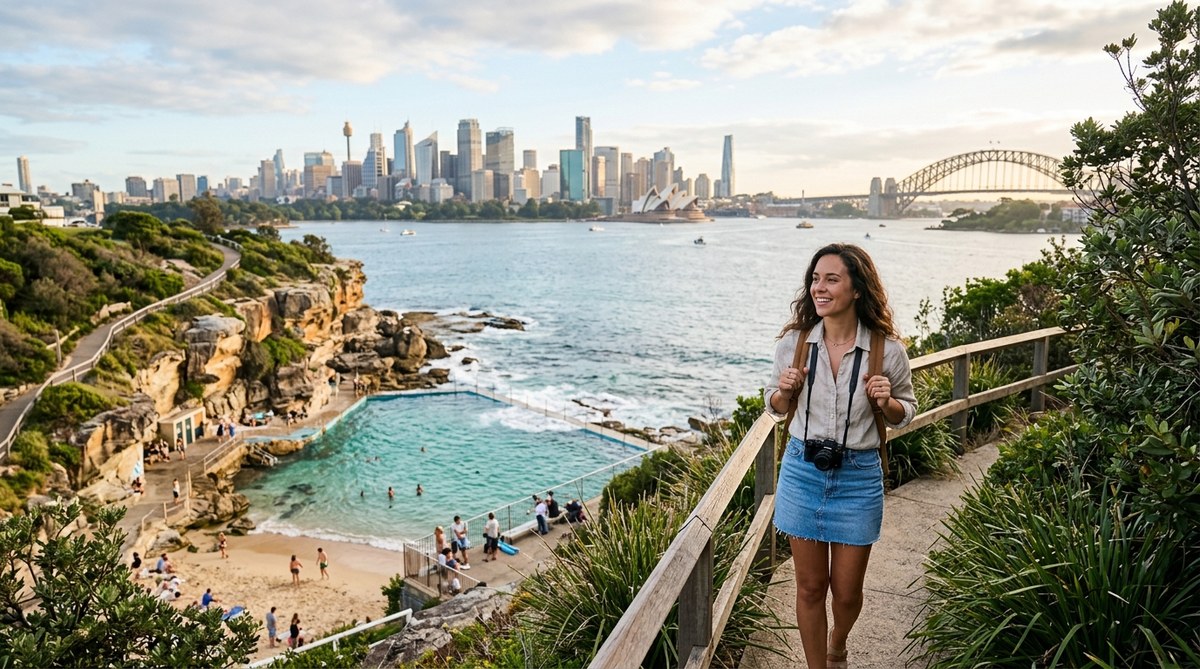
Bondi Beach is legendary for its golden sands and vibrant surf scene. Capture the iconic Bondi Icebergs Pool with the ocean in the background for a colorful, lively shot. For a unique perspective, photograph from the Bondi to Coogee coastal walk, where rugged cliffs and turquoise waters create perfect natural backdrops.
4. Mrs. Macquarie’s Point and Royal Botanic Gardens
This spot offers a classic view of the Opera House and Harbour Bridge framed by lush greenery. Visit during golden hour for soft light that enhances the scenery. The gardens themselves are also full of picturesque pathways, exotic plants, and hidden corners ideal for candid shots.
5. Luna Park and St Kilda Pier
Luna Park’s bright, vintage entrance makes for a fun, whimsical photo. Nearby, St Kilda Pier with its historic lighthouse adds a coastal charm. Capture the sunset with the pier’s silhouette for a dreamy shot.
6. Green Square Library and Cityscapes
For a modern contrast, visit Green Square Library. Its unique architecture and city views make it a great spot for contemporary photos. The surrounding parks and streets provide colorful urban scenes that pop on social media.
7. Hidden Neighborhoods and Streets
Wander through neighborhoods like Newtown and Surry Hills. Their street art, vintage shops, and eclectic cafes create vibrant, authentic backgrounds. These areas add personality and color to your feed that stands out from the typical tourist shots.
8. Beaches and Coastal Views
Beyond Bondi, Sydney’s beaches like Bronte, Tamarama, and Manly offer beautiful scenery. Capture surfers, sunrise, or rugged coastlines to show the city’s laid-back coastal vibe.
9. Scenic Overlooks and Cliffs
Shark Point Cliffs and Hanging Rock in the Blue Mountains region provide dramatic vistas. Use wide-angle lenses to capture the vastness of the landscape and emphasize the scale of nature.
Tips for Taking Instagram-Worthy Photos
Technique
Mistake to Avoid
Use natural light
Shooting in harsh midday sun causes unflattering shadows
Include a foreground element
Adds depth and interest to your shot
Use leading lines
Guides the viewer’s eye into the photo
Try different angles
Avoid flat, boring perspectives
Edit lightly
Enhance colors but keep it natural
“The key to great travel photos is patience. Wait for the right light, the perfect moment, and don’t be afraid to experiment with angles. Often, the best shots come from a little extra effort.” — Professional photographer Jane Miller
Practical Tips for Capturing the Perfect Shot
Arrive early or late in the day. The light is softer, and crowds are smaller.
Use a tripod or stable surface for sharper images, especially in low light.
Incorporate local elements like street art, food, or people to add personality.
Check the weather forecast. Clear days produce vibrant colors, while overcast skies give a moody feel.
Respect local rules and private property when photographing.
Making the Most of Your Instagram Journey
The secret to truly memorable photos in Sydney is balancing planning with spontaneity. Scout locations beforehand using online guides or apps. Be flexible to capture unexpected moments or views. Remember, the best shots often happen when you’re relaxed and enjoying your surroundings.
Unlock Sydney’s Visual Charm
Sydney’s scenic spots are as diverse as they are breathtaking. From iconic landmarks to hidden corners, every location offers a unique story ready to be told through your lens. By choosing the right time of day, angles, and techniques, you can turn your vacation into a stunning visual narrative. Use this guide as your starting point and let your camera do the talking. Happy snapping!
Capture the city’s magic and share your journey with the world
Sydney’s beauty shines through in its vibrant scenery and welcoming neighborhoods. Take your time, enjoy the moment, and let your photos reflect the city’s lively spirit and timeless charm. Your perfect Instagram shot is waiting just around the corner.
Looking to see a different side of Sydney beyond the usual landmarks? This 3-day itinerary focuses on hidden gems that often fly under the tourist radar. It’s perfect for travel enthusiasts or first-t…
Looking to see a different side of Sydney beyond the usual landmarks? This 3-day itinerary focuses on hidden gems that often fly under the tourist radar. It’s perfect for travel enthusiasts or first-time visitors eager to dive into the city’s lesser-known attractions. From charming neighborhoods to secret beaches and local favorites, you’ll leave with a richer understanding of Sydney’s vibrant character. Let’s unlock some of the city’s best-kept secrets together.
Key Takeaway
This guide offers a curated 3-day Sydney itinerary highlighting lesser-known spots. It helps travelers discover authentic local experiences while avoiding crowded tourist traps, making your visit truly special.
Day One: Uncovering Sydney’s artistic and historic corners
Kick off your adventure by exploring neighborhoods that blend creativity with history. These spots give you a taste of Sydney’s diverse local culture.
Morning: Wander through Newtown’s vibrant streets
Begin your day in Newtown, a bohemian hub packed with colorful murals, quirky shops, and hidden cafes. Unlike the busy city center, Newtown offers a laid-back vibe where street art and vintage stores line the streets. Grab coffee at a local roastery and enjoy the eclectic atmosphere. Don’t miss the chance to check out the street art murals, which are constantly changing and provide fantastic photo ops.
Afternoon: Discover the hidden beaches of Malabar
After soaking up Newtown’s creativity, head to Malabar Beach, a tranquil spot often overlooked by tourists. This small, rocky cove is ideal for relaxing, swimming, or picnicking. It’s a peaceful alternative to Bondi and offers stunning views of the coastline. The nearby Malabar Headland National Park provides walking trails with panoramic vistas, perfect for a scenic stroll.
Evening: Savor local flavors in Marrickville
Wrap up your day in Marrickville, a suburb renowned for its diverse culinary scene. From authentic Vietnamese to Middle Eastern cuisine, the neighborhood boasts a vibrant food culture. Visit a family-run restaurant for a taste of the city’s multicultural heritage. After dinner, browse some of the local craft shops or catch a live music performance at a cozy venue.
Day Two: Nature and art off the beaten path
This day is dedicated to immersing yourself in Sydney’s natural beauty and art scene away from the crowds.
Morning: Walk the White Bay Coastal Walk
Start with a walk along the White Bay Coastal Walk, a lesser-known route that offers spectacular views of the harbor, ships, and city skyline. The trail takes you past quiet beaches and hidden coves, perfect for photography. The walk ends near the historic White Bay Power Station, which has recently been transformed into a creative hub. It’s a perfect spot to enjoy a peaceful morning immersed in nature.
Afternoon: Visit the Hazelhurst Regional Gallery and Arts Centre
Head to the southern suburb of Gymea to visit Hazelhurst, a regional gallery showcasing contemporary Australian art. The center hosts rotating exhibitions, workshops, and outdoor sculptures. It’s a quiet space that celebrates local artists and offers a different perspective on Sydney’s art scene compared to the busy museums downtown.
Evening: Dine at Kirribilli’s lesser-known eateries
Finish your day in Kirribilli, a charming neighborhood with stunning views of the Sydney Opera House and Harbour Bridge. Instead of the busy Circular Quay, choose a cozy local restaurant tucked away from the tourist crowds. Enjoy fresh seafood or modern Australian dishes while soaking in the harbor sunset.
Day Three: Local neighborhoods and unique experiences
Your final day is all about immersing in authentic Sydney life through its neighborhoods and unique attractions.
Morning: Explore the vibrant community of Surry Hills
Start your morning wandering through Surry Hills, a neighborhood known for its boutique shops, street art, and cafes. Visit local bakeries and enjoy breakfast with a view of the lively streets. Surry Hills also offers a variety of vintage stores and artisan markets — perfect for picking up one-of-a-kind souvenirs.
Afternoon: Discover Barangaroo’s hidden corners
While Barangaroo is famous for its modern architecture, it also harbors hidden spots worth visiting. Stroll along the less crowded sections of the waterfront, and check out the secret gardens tucked behind the buildings. The Barangaroo Reserve offers quiet spots to relax away from the crowd and enjoy the lush greenery.
Evening: Experience Sydney’s hidden rooftop bars
Cap off your trip with a visit to one of Sydney’s lesser-known rooftop bars. Many locals favor these spots for their relaxed vibe and stunning city views. Sip a cocktail while watching the sunset over the skyline, and toast to a journey filled with authentic discoveries.
Practical Tips for Making the Most of Your Hidden Gems Journey
Plan your transport: Use an Opal Card for easy access to public transport. Many hidden spots are best reached by bus or train.
Timing matters: Visit less crowded locations early in the morning or late in the afternoon to enjoy a peaceful atmosphere.
Stay flexible: Some of these spots are best discovered spontaneously. Allow extra time for wandering and unplanned adventures.
Respect local communities: When visiting neighborhoods like Newtown or Marrickville, be considerate of residents and small businesses.
Bring essentials: Pack comfortable shoes, a camera, water, and sun protection to enjoy outdoor spots fully.
Technique
Mistake
Using public transport
Relying only on taxis can limit your access to hidden neighborhoods
Visiting at peak hours
Crowds can diminish the charm of lesser-known sites
Sticking to major attractions
Missing out on local culture and authentic experiences
Overloading your schedule
Rushing prevents genuine immersion in each location
“Finding the authentic side of Sydney takes a bit of effort, but it’s worth it. These hidden gems reveal the city’s true character and offer memories that last longer than the usual tourist snapshots.” — Local Sydney enthusiast
Off the Beaten Path, Into the Heart of Sydney
Venturing beyond the typical tourist trail allows you to experience Sydney in a more intimate and genuine way. Each neighborhood or spot offers a slice of local life, artistic expression, or natural beauty that enriches your visit. Incorporating these hidden gems into your 3-day itinerary transforms a standard trip into a truly memorable journey.
Remember, the key to uncovering Sydney’s lesser-known wonders lies in curiosity and a willingness to stray from the beaten path. So, pack your sense of adventure and get ready to see Sydney like a local.
Getting a true feel for London in just three days can seem tough. This vibrant city is packed with iconic sights and hidden gems. But with a little local insight, you can enjoy authentic experiences t…
Getting a true feel for London in just three days can seem tough. This vibrant city is packed with iconic sights and hidden gems. But with a little local insight, you can enjoy authentic experiences that go beyond typical tourist spots. Whether you’re wandering charming neighborhoods or savoring local bites, this guide helps you make the most of your short stay. Prepare to see London through the eyes of someone who calls it home.
Key Takeaway
In 72 hours, you can genuinely experience London like a local by focusing on neighborhood walks, local eateries, and lesser-known sights. This approach offers authentic moments and a deeper connection to the city, even on a tight schedule.
Getting started: Planning your local London adventure
To truly enjoy London like a local within 72 hours, you’ll need a plan that balances iconic landmarks with hidden treasures. Focus on neighborhoods, walkability, and local food spots. This approach allows you to soak in the city’s authentic vibe without the crowds. Here’s a step-by-step process to set your trip up for success:
Research neighborhoods
Identify areas that resonate with local life. Think about Camden, Notting Hill, Shoreditch, or Southbank. These spots are filled with character, great cafes, and interesting shops.
Plan your transportation
Use the Oyster card for easy access to buses and the Tube. Walking often reveals more than any guidebook. Consider renting a bike for faster, scenic routes.
Book ahead for popular experiences
Reserve tables at local pubs or small restaurants. Skip long lines at major attractions by choosing off-peak times or booking tickets online.
Neighborhoods that give you a local flavor
Getting off the beaten path is key. While landmarks like Big Ben and the London Eye are must-sees, they also draw crowds. Instead, spend your time wandering through neighborhoods where locals hang out.
Camden and Regent’s Canal
Camden is famous for its alternative vibe and lively markets. Walk along Regent’s Canal for a peaceful escape from the busy streets. Stop at a canal-side cafe for a coffee or light lunch. You’ll find street art, vintage shops, and quirky boutiques.
Notting Hill’s charm
This pastel-colored neighborhood feels like a small town within London. Visit Portobello Road Market on a Saturday for vintage finds and fresh produce. Local cafes serve up great breakfast options, and the quiet streets are perfect for a leisurely stroll.
Shoreditch’s creative pulse
Shoreditch brims with street art, indie galleries, and trendy cafes. Check out Boxpark for unique shopping, then wander around Hoxton Square. It’s a perfect place to soak up London’s modern, artistic side.
Authentic dining spots away from tourist traps
Eating like a local means sidestepping the chain restaurants near major sights. Instead, seek out neighborhood pubs, street food markets, and small eateries.
Try classic fish and chips at a nearby pub. Many serve up fresh, hearty portions with a friendly vibe.
Visit Borough Market for a variety of street food. Try artisanal cheeses, fresh pastries, or international dishes.
For a taste of authentic Indian cuisine, head to Brick Lane. It’s famous for curry houses that serve spicy, flavorful dishes.
How to get around like a local
Getting around can be part of the adventure. Walking is often the best way to discover hidden corners. Buses and the Tube are efficient, but avoid rush hours for a more relaxed experience.
Use an Oyster card to pay for public transportation. It’s cheaper and more convenient.
Consider renting a bike or an e-scooter for quick trips between neighborhoods.
Rely on your feet whenever possible. London’s streets are rich with surprises, from small parks to street performers.
“Walking through neighborhoods like Shoreditch and Notting Hill gives you a genuine feel for London’s diverse character,” advises local Londoner Emma.
Practical tips for a smooth trip
Technique
Mistake to Avoid
Using cash instead of Oyster card
Paying higher fares and wasting time in queues
Visiting major attractions during peak hours
Facing long lines and crowds
Rushing through neighborhoods
Missing the local vibe and hidden gems
Sticking only to tourist hotspots
Overlooking authentic experiences
Bulleted quick tips
Always carry a reusable water bottle and a small backpack.
Check opening hours in advance for markets and cafes.
Use local apps for restaurant reservations and event info.
Be friendly and open to chatting with locals—they love sharing tips.
Hidden gems and off-the-beaten-path experiences
London’s charm lies in its secret corners. A few lesser-known spots can make your visit truly memorable.
St Dunstan in the East: A peaceful garden in the ruins of a historic church, tucked away near the Tower of London.
Little Venice: A quiet canal area with colorful houseboats and waterside cafes.
Columbia Road Flower Market: A vibrant Sunday market filled with fresh blooms and friendly vendors.
Making the most of your 72 hours
Prioritize your interests. If you love art, spend more time in Shoreditch’s galleries. Into history? Visit the Museum of London or hidden courtyards near Tower Hill.
Use local walking tours to get insider stories.
Attend a live music night at a small pub.
Take a leisurely afternoon tea at a cozy, family-run spot.
A final word on experiencing London like a local
Many visitors fall into the trap of sticking to the main sights. But the real magic happens when you step into neighborhoods, chat with locals, and savor the city’s authentic flavors. With a little planning and curiosity, your 72 hours in London can turn into a genuine adventure filled with memorable moments. Pack comfortable shoes, keep an open mind, and let the city surprise you.
Walk it your way and find your London rhythm
Enjoy every step, every bite, and every unexpected corner. Remember, London isn’t just a city of landmarks — it’s a place where everyday life is vibrant and waiting for you to join in. Happy wandering!
Berlin is a city full of surprises. While iconic sites like the Brandenburg Gate and Museum Island draw crowds, a treasure trove of lesser-known attractions awaits curious travelers. These hidden gems…
Berlin is a city full of surprises. While iconic sites like the Brandenburg Gate and Museum Island draw crowds, a treasure trove of lesser-known attractions awaits curious travelers. These hidden gems offer authentic experiences, quiet escapes, and a chance to see Berlin through the eyes of locals. If you want to go beyond the usual, this guide reveals some of the city’s most intriguing secrets.
Key Takeaway
Unearth Berlin’s lesser-known spots to add depth and authenticity to your visit. From abandoned sites to peaceful parks, these hidden gems provide a fresh perspective on the city’s vibrant culture and history—perfect for travel enthusiasts seeking unique experiences.
Unexpected gems waiting in Berlin’s shadows
Berlin’s charm lies not only in its famous landmarks but also in its quiet corners and offbeat attractions. These hidden spots reveal the city’s diverse personality, blending history, nature, and local life. Whether you are after a peaceful retreat or an adventurous exploration, these lesser-known attractions are worth adding to your itinerary.
1. Teufelsberg: the abandoned spy station turned street art canvas
Teufelsberg, or Devil’s Mountain, is an artificial hill built from WWII debris. It once served as a Cold War spy station with a panoramic view of Berlin. Now, it’s a magnet for urban explorers and art lovers. Graffiti artists have transformed its abandoned buildings into open-air galleries. Visitors can wander through the ruins, snap photos of vibrant murals, and enjoy sweeping city views.
Tip: Visit on weekends for guided tours that delve into its fascinating history and current street art scene.
2. Peacock Island: a tranquil retreat within the spree river
Pfaueninsel, or Peacock Island, is a UNESCO World Heritage site nestled in the river Spree. It features lush woods, peacocks wandering freely, and a charming 18th-century castle. It offers a peaceful escape from city buzz, with walking paths and picnic spots. The island’s natural beauty and historical charm make it a favorite among locals seeking a quiet day out.
Tip: Bring a picnic and enjoy it by the water while watching the peacocks strut around.
3. Viktoriapark and its cascading waterfall
Tucked away in Kreuzberg, Viktoriapark is a hillside park crowned by a monument and a small waterfall. It’s a hidden oasis with fantastic city views and a peaceful atmosphere. The park is perfect for a leisurely stroll or a picnic. Climb to the top of the monument for a panoramic overlook of Berlin.
Tip: Visit during sunset for breathtaking views and great photo opportunities.
4. Bösebrücke: the bridge with a dark past
Bösebrücke, or the “Bad Bridge,” is a quiet crossing with a compelling history. It played a role during the Cold War and is linked to stories of espionage and division. Today, it’s a peaceful spot where you can reflect on Berlin’s turbulent history away from tourist crowds.
Tip: Combine a walk here with a visit to nearby Treptower Park for a full afternoon of history and relaxation.
5. Sammlung Boros: a contemporary art bunker
Housed in a former WWII bunker, Sammlung Boros showcases cutting-edge contemporary art. This private collection is open for guided tours, revealing a fascinating blend of history and modern creativity. Its underground setting adds an extra layer of intrigue.
Tip: Book your tour in advance, as visits are limited and highly sought after.
6. Spreepark: an abandoned amusement park
Spreepark is a deserted amusement park frozen in time. Once a lively spot for families, it now stands as a surreal landscape of rusted rides and overgrown pathways. Guided tours reveal its history and eerie beauty.
Tip: Capture photos at dawn or dusk for a hauntingly beautiful scene.
7. Clärchens Ballhaus: a vintage dance hall
This historic dance hall has been hosting social dances since 1913. Its vintage charm and lively atmosphere make it a favorite for locals and visitors alike. Attend a dance night or simply enjoy a drink in the nostalgic surroundings.
Tip: Check their schedule for special themed nights and live music events.
8. Tempelhofer Feld: the giant city park
A former airport turned public park, Tempelhofer Feld is a massive open space perfect for biking, skating, or picnicking. Its expansive runways make it feel like a different world within Berlin. It’s a favorite spot for locals seeking outdoor fun.
Tip: Bring a kite or a frisbee for a fun afternoon.
9. Hidden street art in the RAW-Gelände area
The RAW-Gelände is a vibrant cultural hub filled with murals, graffiti, and alternative venues. This area is a living canvas for Berlin’s street art scene, with walls that change constantly. It’s a must-visit for art lovers and urban explorers.
Tip: Join a guided street art tour to learn about the artists and their works.
10. Schleusenkrug: a lakeside beer garden
Located on the lakeside of Wannsee, Schleusenkrug offers a laid-back vibe with outdoor seating and local beers. It’s a perfect spot to unwind after a day of offbeat sightseeing. Enjoy fresh air, good food, and views of the water.
Tip: Visit during summer weekends for live music and festivals.
How to uncover Berlin’s secrets in simple steps
Research lesser-known spots. Use local blogs, forums, and city guides to find hidden gems.
Plan your route. Map out areas like Kreuzberg, Neukölln, and Treptow to discover spots like Viktoriapark or Bösebrücke.
Join guided tours. Local-led tours often reveal stories behind the sights.
Ask locals. Strike up conversations at cafes or markets to get insider tips.
Take your time. Wander around neighborhoods without a strict schedule.
Techniques to make your hidden gem journey smooth
Technique
Mistakes to Avoid
Use offline maps
Relying solely on internet connectivity
Talk to locals
Assuming everyone speaks English
Visit during off-peak hours
Going when spots are crowded
Check opening hours in advance
Missing out on visiting times
Carry a small backpack
Forgetting essentials like water and snacks
“Berlin’s true soul is often found in its quiet corners. Venturing off the beaten path reveals stories and sights you won’t find in guidebooks.” — Local travel writer
Final thoughts on discovering Berlin’s secret side
Traveling through Berlin’s hidden gems offers a meaningful way to connect with the city’s rich history and vibrant culture. These spots give you a chance to see a different side of Berlin, away from crowds and tourist traps. Incorporate some of these locations into your itinerary and enjoy a more authentic experience.
Remember, the city’s true character is often in its quiet spaces and stories waiting to be uncovered. Take your time, ask questions, and let Berlin surprise you in ways you never expected. Happy wandering!
You’re standing in a crowded piazza, staring at a menu with pictures and prices that make your wallet hurt. The waiter is aggressively waving you inside. Every other customer looks like they just got …
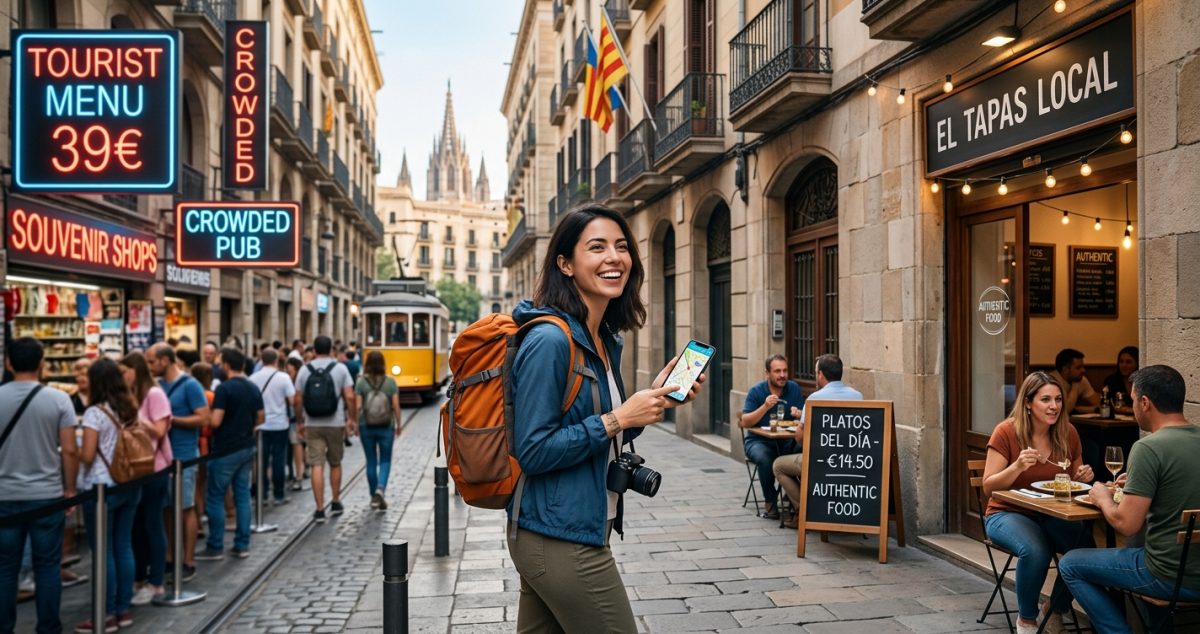
You’re standing in a crowded piazza, staring at a menu with pictures and prices that make your wallet hurt. The waiter is aggressively waving you inside. Every other customer looks like they just got off a tour bus. You know something feels wrong, but you’re hungry and tired from walking all day.
This happens to millions of travelers every year. Tourist traps drain your budget and leave you with mediocre meals you could get anywhere. The good news? Spotting these places takes just a few seconds once you know what to look for.
Key Takeaway
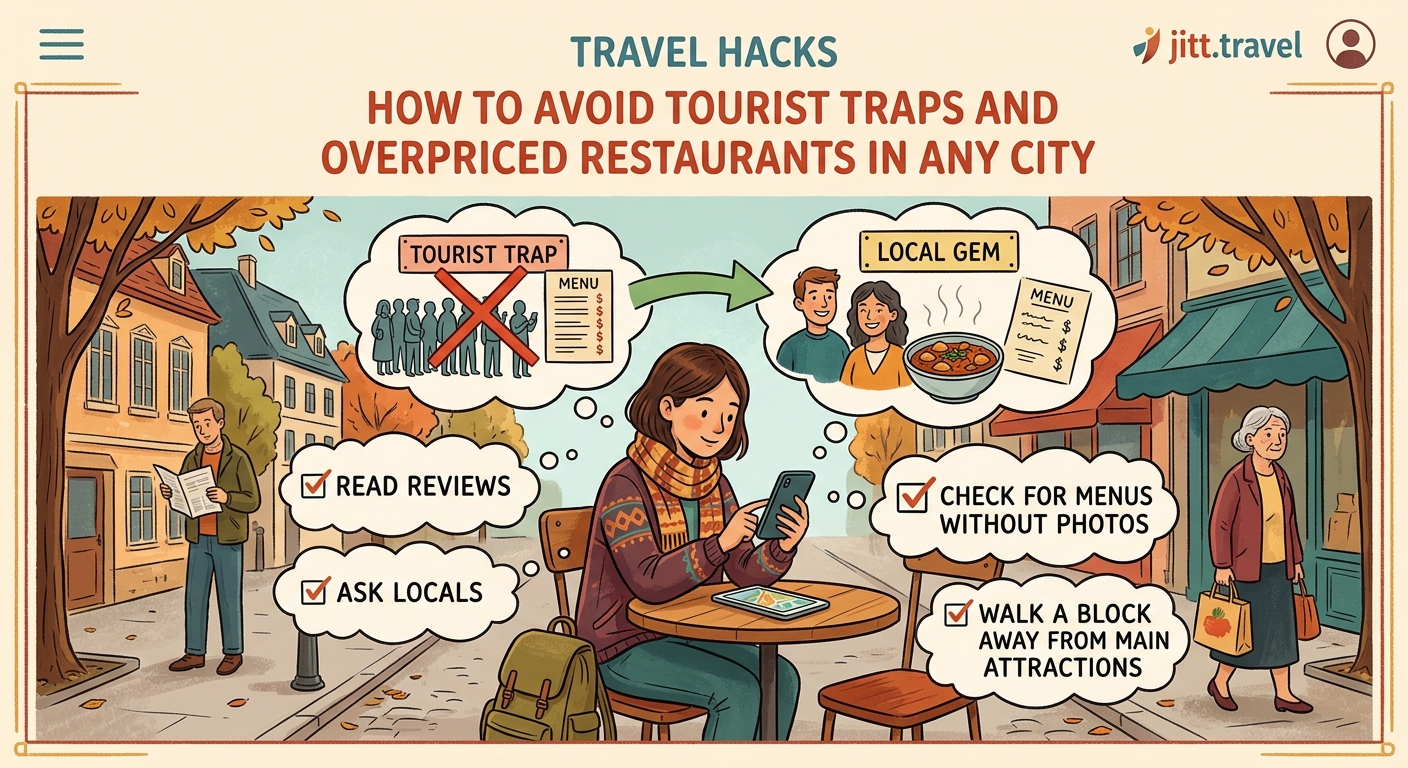
Tourist traps rely on location and aggressive marketing to attract uninformed visitors. You can avoid them by walking two blocks away from major attractions, checking where locals eat during lunch hours, looking for menus in the local language, and using mapping apps to find neighborhood spots. These simple habits save money and guarantee better food every time.
The two block rule saves your budget
The most effective strategy costs nothing and takes two minutes.
Walk two blocks away from any major tourist attraction before choosing where to eat. That’s it.
Restaurants directly facing the Colosseum, Eiffel Tower, or Times Square pay astronomical rent. They recover those costs through inflated prices and high customer turnover. They don’t need repeat business because new tourists arrive every hour.
Two blocks away, the economics change completely. Rent drops. Competition increases. Restaurants need locals to survive, which means better quality at lower prices.
I tested this in Barcelona near La Sagrada Familia. The restaurants on the plaza charged €18 for paella. Two streets over, a family-run spot charged €12 for a bigger portion that actually tasted like saffron instead of food coloring.
The pattern holds in every major city. Distance from landmarks correlates directly with value and quality.
Signs that scream tourist trap
Certain red flags appear at almost every tourist trap. Learn to recognize them instantly.
Physical warning signs:
– Menus with full-color photos of every dish
– Staff standing outside aggressively recruiting customers
– Signs in five or more languages
– Laminated menus (legitimate restaurants change offerings regularly)
– Empty dining rooms during peak meal times
– Tables filled entirely with tourists taking photos
Photo menus deserve special attention. Restaurants confident in their food don’t need pictures. Photo menus target people who can’t read the local language and make impulse decisions based on appearance.
Aggressive recruitment is another massive red flag. Good restaurants never need to chase customers on the street. If someone is pulling you inside, they’re desperate for business, which tells you everything about the quality.
“The best meal I had in Rome was at a place with a handwritten menu that changed daily. The worst was at a spot with a 40-page laminated menu in eight languages. The correlation is not a coincidence.” – Travel food blogger Maria Santos
Check what locals are actually doing
Locals vote with their feet and their lunch breaks.
Visit potential restaurants between 12:30 PM and 1:30 PM on weekdays. Look at who’s eating there. If you see people in business clothes, construction workers, or elderly residents, that’s a good sign. If you see only tourists with cameras and guidebooks, keep walking.
Local customers have options. They know every restaurant in their neighborhood. They choose based on quality and value because they eat there regularly.
Tourist customers have limited information and limited time. They choose based on convenience and visibility. Restaurants optimize for these different customer types in completely different ways.
The lunch test works particularly well because locals rarely waste their lunch hour on bad food. Dinner crowds can include tourists who researched better, but lunch is almost always dominated by people who work nearby.
Use technology the right way
Mapping apps reveal patterns that individual reviews miss.
Open your map app and zoom out slightly from your current location. Look for clusters of restaurants in residential areas rather than tourist zones. These clusters exist because locals need dining options near their homes.
Check the reviews, but read them strategically. Ignore five-star reviews that mention “great location” or “right next to the museum.” Look for reviews mentioning specific dishes, return visits, or comparisons to other local spots.
One-star reviews can be informative. If they complain about slow service or staff who don’t speak English, that might actually be a good sign. It means the restaurant caters to locals who speak the language and aren’t in a tourist rush.
Translation apps help you read local review sites. In Italy, check TripAdvisor but also TheFork. In France, use La Fourchette. In Japan, Tabelog matters more than Google reviews. Local platforms show you where residents actually eat.
The menu tells you everything
Spend 30 seconds analyzing the menu before sitting down.
Check if the menu is in the local language first, with translations secondary
Count the number of items (more than 40 suggests frozen or pre-made food)
Look for seasonal specials or daily changes
Verify that prices match the neighborhood (compare with nearby shops)
Enormous menus create impossible kitchen logistics. No restaurant can make 60 different dishes from scratch with fresh ingredients. Large menus mean frozen components, microwave reheating, and assembly-line cooking.
Seasonal menus indicate a chef who sources ingredients based on availability and quality. Tourist traps serve the same menu year-round because their customers don’t know what’s in season locally.
Price comparison matters because some tourist areas have legitimately higher costs across the board. A €15 pasta dish might be a ripoff near the Trevi Fountain but reasonable in an expensive neighborhood like Parioli. Check what the grocery store or coffee shop charges to calibrate your expectations.
Common mistakes even experienced travelers make
Mistake
Why It Backfires
Better Approach
Following “best restaurants” lists from major travel sites
Lists get paid placements and become outdated
Use local food blogs or recent social media posts
Eating dinner at 6 PM
Only tourists eat that early in most countries
Eat when locals eat (9 PM in Spain, 8 PM in Italy)
Choosing restaurants with English-speaking hosts
Optimized for tourists, not quality
Learn five words in the local language instead
Trusting restaurants with prestigious locations
Paying for real estate, not food
Judge by customers and menu, never by address
Reading only the top-rated reviews
Can be manipulated or outdated
Sort by recent and read the three-star reviews
The timing mistake deserves extra attention. Eating at off-hours means you get the tourist service and tourist quality. Restaurants prepare their best dishes for their peak hours, which are when locals dine.
In Spain, sitting down at 6 PM marks you as a tourist immediately. The kitchen might not even be fully staffed. You’ll get adequate food, but not what the restaurant is capable of producing.
Ask locals the right questions
Not all local recommendations are created equal.
Asking “where should I eat?” gets generic answers. People default to places they think tourists want, or they name the fanciest restaurant they know.
Instead, ask: “Where do you eat on a regular Tuesday?” or “Where would you take your parents for Sunday lunch?”
These questions target different information. You’re asking about personal habits rather than theoretical recommendations. The answers reveal places people actually trust with their own money and time.
Hotel staff can be helpful, but understand their incentives. Some receive commissions for recommendations. Ask the housekeeping staff or maintenance workers instead of concierges. They’re less likely to be part of referral programs.
Taxi and rideshare drivers know their cities intimately, but their schedules mean they often eat at odd hours or grab fast food. Their recommendations skew toward places open late or serving large portions rather than quality.
The best sources are people who work in non-tourist industries. Strike up conversations at coffee shops, bookstores, or markets. These folks have no incentive to steer you wrong.
Neighborhood research beats landmark research
Plan your meals around neighborhoods, not attractions.
Before your trip, identify three residential neighborhoods in your destination city. Find areas where people actually live, not where tourists stay. Look for neighborhoods with schools, grocery stores, and parks.
These areas have restaurant ecosystems built for daily life rather than vacation spending. Prices reflect what local salaries can sustain. Quality reflects the need for repeat customers.
In Paris, skip the restaurants around Notre-Dame and head to Belleville or the 13th arrondissement. In New York, avoid Times Square and try Astoria or Sunset Park. In Tokyo, venture beyond Shibuya to Nakameguro or Shimokitazawa.
The commute to these neighborhoods takes 15-30 minutes by public transit. That small time investment typically saves 30-50% on meal costs while improving quality dramatically.
Research one signature dish for each neighborhood. In Rome’s Testaccio, try the traditional offal dishes. In Lyon’s Croix-Rousse, find a proper bouchon. Having a specific culinary goal makes the trip feel purposeful rather than random.
Street food requires different rules
Street food and market stalls operate under different economics than restaurants.
Look for vendors with lines of locals, especially during breakfast and lunch hours. High turnover means fresh ingredients and popular flavors.
Avoid vendors positioned directly at tourist photo spots. The cart selling crepes in front of the Eiffel Tower charges triple what you’d pay two streets away.
Check if vendors are eating their own food during slow periods. This seems obvious, but it’s a reliable signal. People who cook food they won’t eat themselves are not optimizing for taste.
Market halls and food courts designed for locals offer incredible value. These are different from the trendy food halls marketed to tourists. Look for markets that open early (before 8 AM) and have vendors selling groceries alongside prepared food.
In Bangkok, Chatuchak Market has tourist sections and local sections. The tourist areas sell pad thai for 150 baht. Walk deeper into the market and find the same dish for 50 baht, made by vendors who’ve had the same stall for 20 years.
When to break these rules
Some tourist restaurants earn their popularity legitimately.
Iconic establishments with decades of history sometimes maintain quality despite tourist crowds. These places usually have several characteristics: they’ve been operating for 50+ years, they have a specific signature dish rather than a massive menu, and they’re busy during local dining hours, not just tourist times.
Dal Moro’s in Venice serves fresh pasta in a cone. It’s absolutely a tourist concept, but the pasta is made fresh every day and the prices are reasonable. Sometimes tourist-friendly doesn’t mean tourist trap.
Restaurants with Michelin stars or local equivalents near major attractions often maintain standards because their reputation matters beyond the tourist market. They’re expensive, but the high price reflects quality rather than location exploitation.
Use your judgment. If a place is crowded with tourists but also has locals waiting for tables, it’s probably doing something right.
Your first meal sets the pattern
The decisions you make on day one of your trip establish your entire food budget and experience.
Resist the temptation to eat at the first place you see after arriving. You’re tired, hungry, and not thinking clearly. This is when tourist traps catch you.
Instead, buy snacks at a grocery store or convenience shop when you arrive. Eat something small. Then do 20 minutes of reconnaissance in your accommodation neighborhood.
That first meal sets your price expectations and quality standards for the entire trip. Start with an overpriced tourist trap and everything else seems reasonable by comparison. Start with an authentic neighborhood spot and you’ll recognize the difference immediately.
I’ve watched travelers pay €25 for mediocre carbonara on their first night in Rome, then spend the rest of their trip thinking that’s the normal price. They never discover the €12 carbonara that’s twice as good because they’ve already anchored to the wrong baseline.
Finding authentic experiences in any city
Tourist traps exist because they’re profitable, not because travelers are stupid.
You’re in an unfamiliar place with limited time and imperfect information. Restaurants optimize their visibility and marketing to capture exactly this situation.
But now you have a system. Walk two blocks from landmarks. Eat when locals eat. Read menus critically. Check who’s actually in the dining room. Use these simple filters and you’ll avoid 90% of tourist traps automatically.
The remaining 10% you might still encounter through bad luck or circumstances. That’s fine. One mediocre meal won’t ruin your trip.
What matters is the pattern. Make these habits automatic and you’ll spend less money on better food in every city you visit. You’ll also eat in neighborhoods that most tourists never see, which often leads to the most memorable parts of any trip.
Start practicing these techniques on your next meal out, even in your home city. The skills transfer perfectly to travel because the underlying economics are the same everywhere.
Getting lost in a foreign city used to mean fumbling with paper maps and hoping taxi drivers wouldn’t take you on expensive detours. Those days are over. Modern travelers move through cities with the …
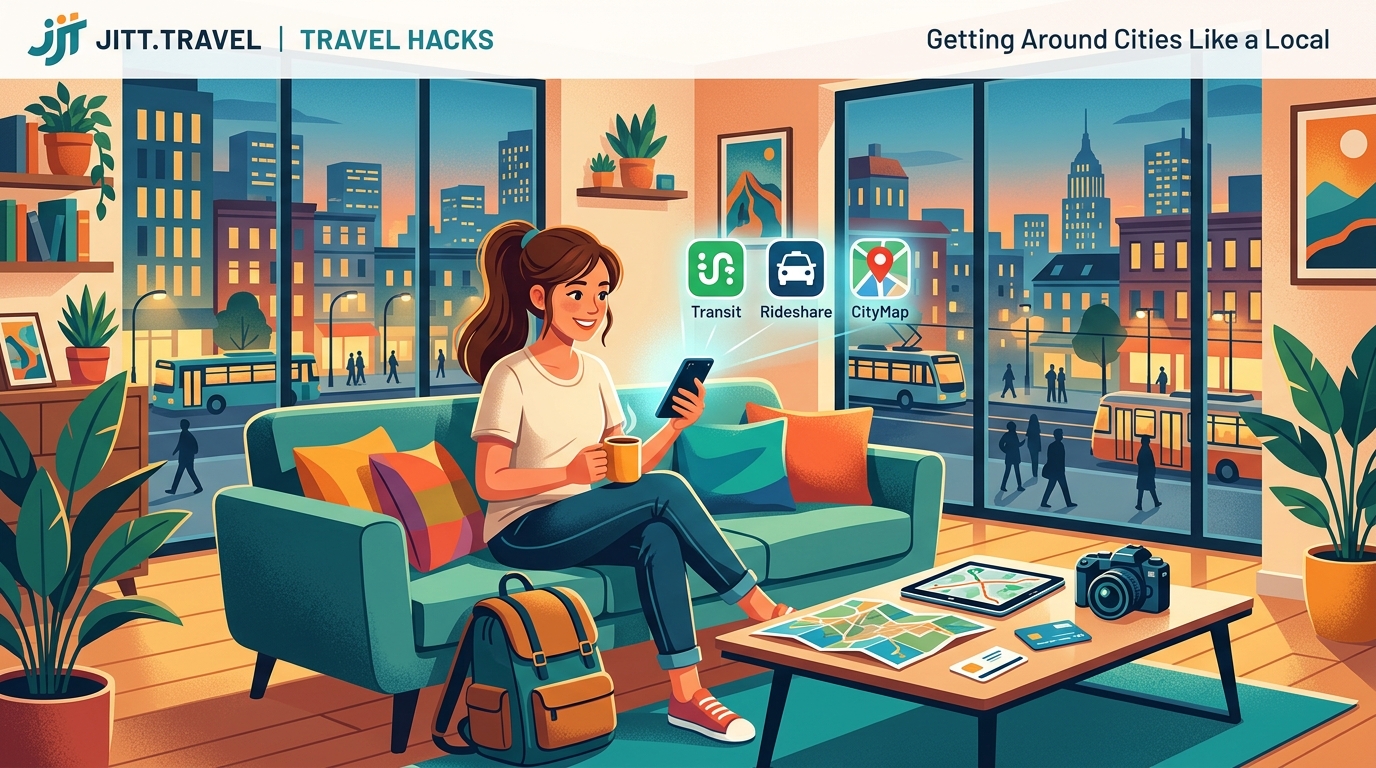
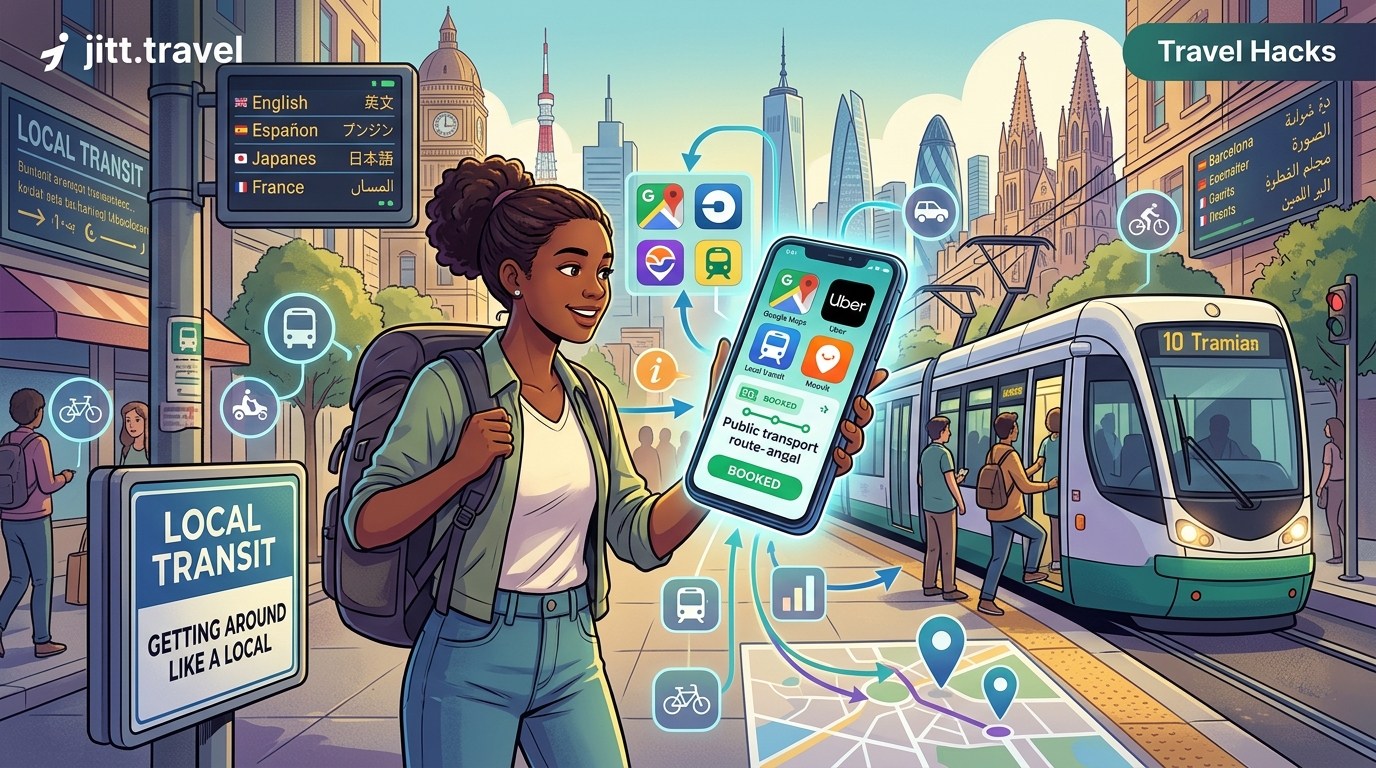
Getting lost in a foreign city used to mean fumbling with paper maps and hoping taxi drivers wouldn’t take you on expensive detours. Those days are over. Modern travelers move through cities with the same confidence as locals, thanks to transportation apps that work seamlessly across borders. The difference between paying tourist prices and local rates often comes down to having the right app downloaded before you land.
Key Takeaway
Transportation apps transform how you navigate foreign cities by connecting you to local transit systems, ride-hailing services, and bike shares. Download region-specific apps before traveling, enable offline maps, and load payment methods to avoid connectivity issues. Using apps locals trust saves money, reduces scams, and gives you authentic urban experiences that tour buses never provide.
Why Regional Apps Beat Global Solutions
Google Maps works everywhere, but it won’t help you book a Grab ride in Bangkok or navigate Tokyo’s subway system with real-time delay updates. Each region has developed transportation apps tailored to local infrastructure, payment systems, and user needs.
Southeast Asian cities run on Grab. Europe’s train networks integrate with Trainline and Omio. Chinese cities require Didi because Uber doesn’t operate there. Downloading the wrong app means standing on a street corner unable to get anywhere while your phone insists everything should work fine.
Local apps also integrate with payment systems that international options miss. Many Asian transportation apps accept local e-wallets that offer better rates than credit cards. European apps connect directly to transit authority systems for accurate pricing and real-time updates that third-party aggregators can’t match.
Essential Apps by Region
Different parts of the world have distinct transportation ecosystems. Here’s what actually works in each major travel region.
Asia Pacific Transportation Apps
Grab dominates Southeast Asia from Singapore to Vietnam. It handles rides, food delivery, and payment services. Install it before arriving in Thailand, Malaysia, Indonesia, or the Philippines.
Gojek competes with Grab in Indonesia and offers motorcycle taxis that weave through Jakarta’s legendary traffic. The bike option costs a fraction of car rides and gets you places faster.
China requires Didi Chuxing since Western ride apps don’t function there. Set it up with a Chinese phone number or use the international version with limited features. Alipay or WeChat Pay integration makes payments seamless.
Japan’s transportation apps focus on train navigation. Hyperdia and Japan Transit Planner decode the complex rail networks. These apps account for multiple operators, transfer times, and seat reservations that Google Maps often misses.
European Transportation Networks
Citymapper covers major European cities with unmatched detail. It combines walking, cycling, buses, trains, and ride shares into single journey plans. The app knows which subway car to board for the fastest exit at your destination station.
Trainline books trains across 45 European countries. It shows prices from different operators, highlights the cheapest options, and stores tickets digitally. No more printing confirmations or standing in ticket office lines.
BlaBlaCar connects travelers with drivers heading the same direction. This rideshare service costs less than trains for long distances and provides a local perspective on your destination.
Free Now (formerly MyTaxi) operates across Europe with standardized pricing and licensed drivers. It works in over 100 European cities using the same interface and payment method.
North American Options
Uber and Lyft blanket most U.S. and Canadian cities. Both apps work similarly, so having both installed lets you compare prices before booking.
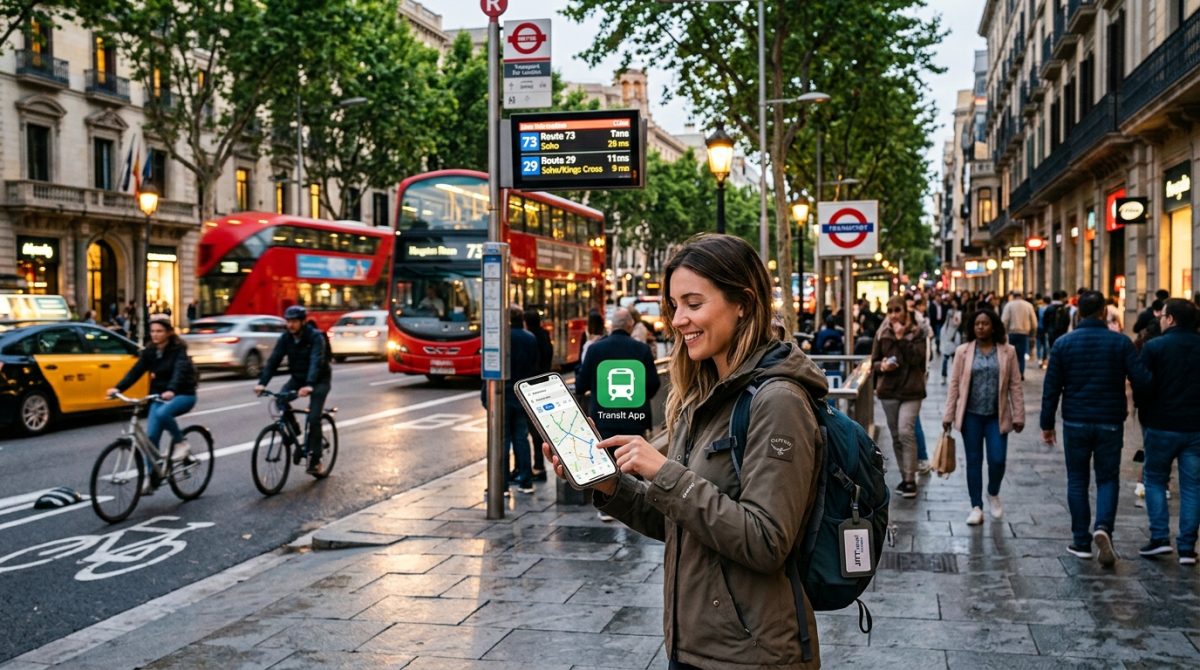
Transit focuses on public transportation across North America. It provides real-time arrival predictions, service alerts, and GO features that show exactly when to leave based on current conditions.
Bird and Lime dominate the scooter rental market. These apps unlock electric scooters scattered throughout cities for short trips. They’re perfect for that awkward distance between walking and ride-hailing.
Latin American Transportation
Uber operates widely in Latin America, but local alternatives often cost less. Cabify competes in major cities with similar features and sometimes better driver availability.
99 (owned by Didi) serves Brazil with Portuguese language support and local payment integration. It understands Brazilian addresses better than international apps.
Moovit provides public transit directions across Latin American cities where official transit apps don’t exist. It crowdsources data to fill gaps in official schedules.
Setting Up Apps Before You Travel
Downloading apps at the airport with spotty WiFi while jet-lagged leads to mistakes. Prepare your transportation toolkit at home with stable internet and time to troubleshoot.
Research which apps operate in your destination cities by checking recent travel forums and blogs
Download all necessary apps and create accounts using your email rather than social media logins
Add payment methods and verify they work by making a small test transaction if possible
Enable offline map downloads for navigation apps to function without data connections
Screenshot important information like your home address in the local language for drivers
Set up any required local phone number verification using services that provide temporary numbers
Many apps require phone verification before you can book rides. Some only accept local phone numbers, creating a chicken-and-egg problem when you need a ride to buy a SIM card. Research verification requirements early and consider buying an eSIM before departure.
Payment Methods That Work Internationally
Your credit card might work at hotels, but transportation apps often have different requirements. Payment failures strand you when you need to move.
Link a debit card in addition to credit cards. Some apps only accept debit or charge foreign credit cards higher fees. Having both options prevents payment rejections.
Load app wallets with credit before you need rides. Many Asian apps let you prepay for rides using international cards, then draw from that balance without processing foreign transactions each time.
PayPal integration works in many apps and processes currency conversion at competitive rates. Link your PayPal account to transportation apps that support it.
Cash alternatives exist in most apps through convenience store top-ups or local payment services. 7-Eleven stores across Asia let you add credit to Grab wallets using cash.
Understanding Pricing and Avoiding Scams
Transportation apps protect against many traditional taxi scams, but new digital versions have emerged. Knowing how pricing works keeps you from overpaying.
Surge pricing multiplies base rates during high demand. Rain, rush hour, and special events trigger price increases. Check multiple apps during surge periods since they don’t all spike simultaneously.
Airport pickups often cost more than standard rides due to fees and designated pickup zones. Some cities require specific permits for airport service. Compare airport shuttle services against ride apps for better deals.
Toll roads and parking fees appear as separate charges. Drivers pay these costs upfront and apps add them to your fare. These legitimate charges surprise travelers who don’t expect extra fees.
Pricing Factor
How It Affects Cost
How to Minimize
Surge pricing
1.5x to 3x normal rates
Wait 10 minutes or walk to different area
Airport fees
Fixed surcharge per ride
Use airport shuttles or public transit
Tolls
Added to final fare
Choose routes that avoid toll roads
Waiting time
Charged per minute
Be ready when driver arrives
Cancellations
Fee after grace period
Confirm pickup location before requesting
Public Transit Apps vs Ride-Hailing
Ride apps offer convenience, but public transit apps unlock authentic local experiences and massive savings. Most cities have excellent public transportation that tourists ignore.
Transit apps show you how locals actually move through cities. Subway systems in Tokyo, London, Paris, and New York transport millions daily with precision that cars can’t match during rush hour.
Cost differences become extreme over multiple days. A week of subway rides in most cities costs less than two airport ride-hailing trips. Transit passes often include buses, trams, and trains for flat daily rates.
Cultural immersion happens on public transportation. You see neighborhoods, observe daily life, and navigate like residents. Tour buses and ride shares keep you isolated from the city’s rhythm.
“The best travel experiences happen between destinations. Public transit forces you to notice details, interact with locals, and develop spatial awareness of your temporary home. Apps that decode transit systems give you freedom that guided tours never provide.”
Bike and Scooter Share Systems
Micromobility apps have transformed short-distance urban travel. These services fill the gap between walking and motorized transportation.
Bike share systems exist in hundreds of cities worldwide. Apps like Citi Bike (New York), Santander Cycles (London), and Vélib’ (Paris) provide docked bikes. You unlock them through apps, ride anywhere, and return them to any dock.
Dockless bikes and scooters scatter throughout cities. Lime, Bird, and regional competitors let you start and end rides anywhere within service areas. Just scan a QR code and go.
Electric options make hills and longer distances manageable. E-bikes and e-scooters cost slightly more than standard bikes but expand your range significantly.
Safety features in apps include helmet reminders, riding tutorials, and designated parking zones. Some cities require in-app safety quizzes before first rides.
Offline Functionality and Backup Plans
Data connections fail at the worst moments. Apps that work offline become lifelines when you can’t get signal.
Maps.me provides detailed offline maps with points of interest, walking directions, and public transit routes. Download city maps before leaving WiFi and navigate without burning international data.
Google Maps offline mode caches map areas for navigation without connectivity. It won’t show real-time traffic or transit updates, but basic directions work fine.
Screenshot important information before each trip. Capture your destination address, driver details, and route maps. If your app crashes or loses connection, you can show screenshots to locals for help.
Write down key addresses in the local language. Having your hotel address, major landmarks, and meeting points written correctly helps when technology fails.
App Language Settings and Translation
Language barriers complicate transportation, but app settings and features help bridge communication gaps.
Most major transportation apps offer English interfaces even in non-English countries. Change language settings in the app itself rather than relying on phone system language.
Built-in translation features in apps like Didi and Grab let you communicate with drivers who don’t speak English. Preset messages handle common requests like “Please turn on air conditioning” or “Can you wait 5 minutes?”
Google Translate integration works in some transportation apps for free-form communication. Type messages that get translated instantly for driver chat functions.
Address input in local languages prevents navigation errors. Use Google Maps to find your destination, then copy the local language address into your ride app. This ensures drivers understand exactly where you’re going.
Privacy and Security Considerations
Transportation apps collect location data, payment information, and travel patterns. Understanding privacy implications helps you make informed choices.
Location permissions should be “while using app” rather than “always” for most transportation apps. You need location services for rides, but apps don’t need to track you constantly.
Payment security varies by app and region. Stick with apps that use encrypted payment processing and don’t store full card numbers. Check app store reviews for mentions of payment security issues.
Share trip details with trusted contacts through in-app features. Most ride-hailing apps let you send real-time location and driver information to friends or family.
Driver ratings and reviews protect passengers. Always check driver ratings before accepting rides and report any safety concerns immediately through app support.
Managing Multiple Apps Efficiently
Frequent travelers end up with dozens of transportation apps. Organization prevents confusion when you need to move fast.
Folder organization on your phone groups transportation apps by region or type. Create folders for “Asia Transport,” “Europe Transit,” and “Bike Shares” so you find the right app instantly.
Delete apps after trips to countries you won’t revisit soon. You can always reinstall them later, and clearing unused apps improves phone performance.
Password managers store login credentials for all your transportation apps. Services like 1Password or Bitwarden autofill logins so you don’t waste time resetting passwords abroad.
Regular app updates before trips ensure you have the latest features and security patches. Update all transportation apps a few days before departure while on WiFi.
Getting Around Like You Live There
The real value of transportation apps isn’t just getting from point A to point B. These tools let you experience cities the way residents do, discovering neighborhoods that tour groups never visit.
Start using transit apps on day one instead of defaulting to taxis. The learning curve is gentler than you think, and locals appreciate when visitors respect their transportation systems.
Combine different transportation modes based on time, cost, and experience. Take the subway during rush hour, bike share through parks in the afternoon, and ride-hail late at night when transit stops running.
Ask locals which apps they use. Hotel staff, restaurant servers, and shop owners know which apps offer the best service and prices. Their recommendations often beat anything you’ll find in guidebooks.
Transportation apps have eliminated most barriers between tourists and authentic urban exploration. Download the right apps, set them up properly, and you’ll navigate foreign cities with the confidence of someone who’s lived there for years. The city becomes your neighborhood, and every trip teaches you something new about how people actually live in the places you visit.
You’re stuck at the airport between flights. The clock is ticking. You’re wondering if you should stay put or make a run for the city. Most travelers overestimate what they can see during a layover, t…
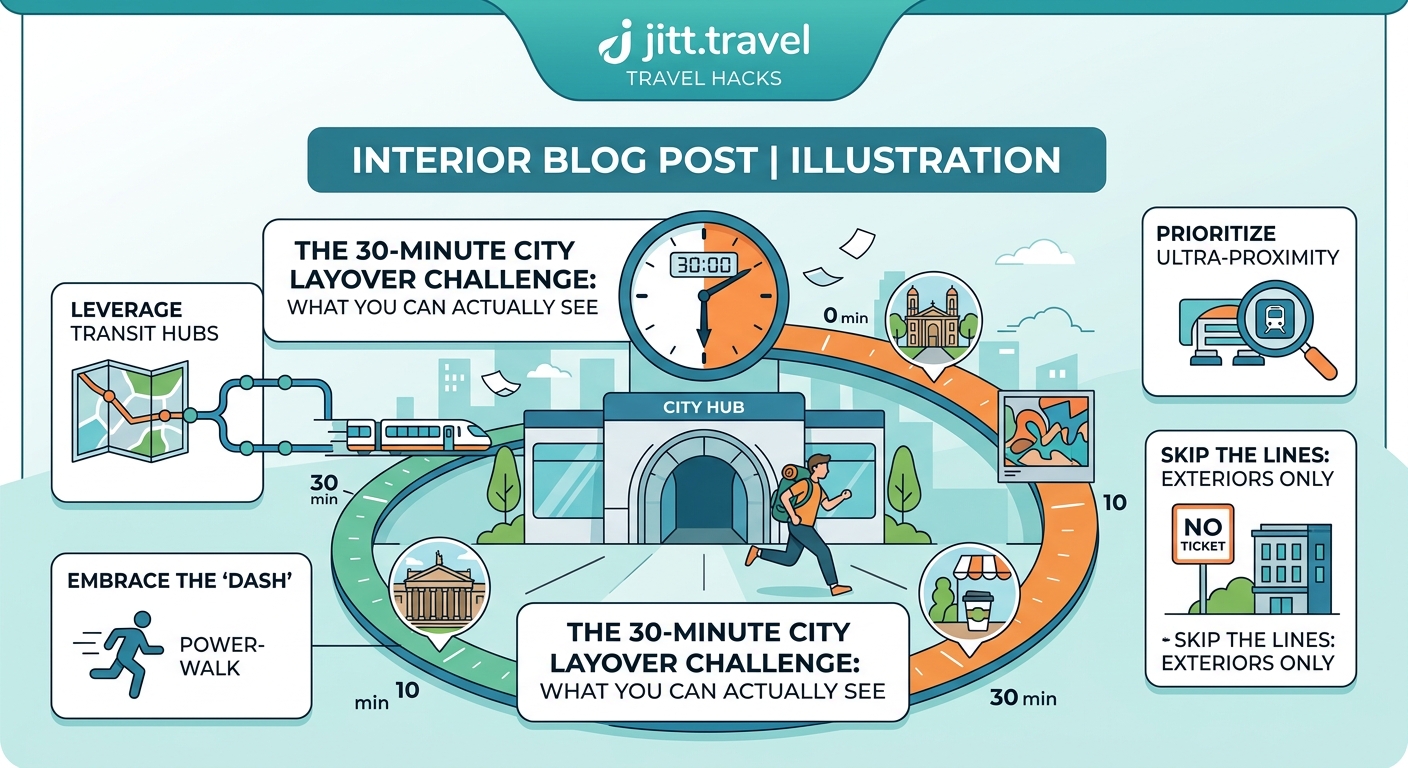
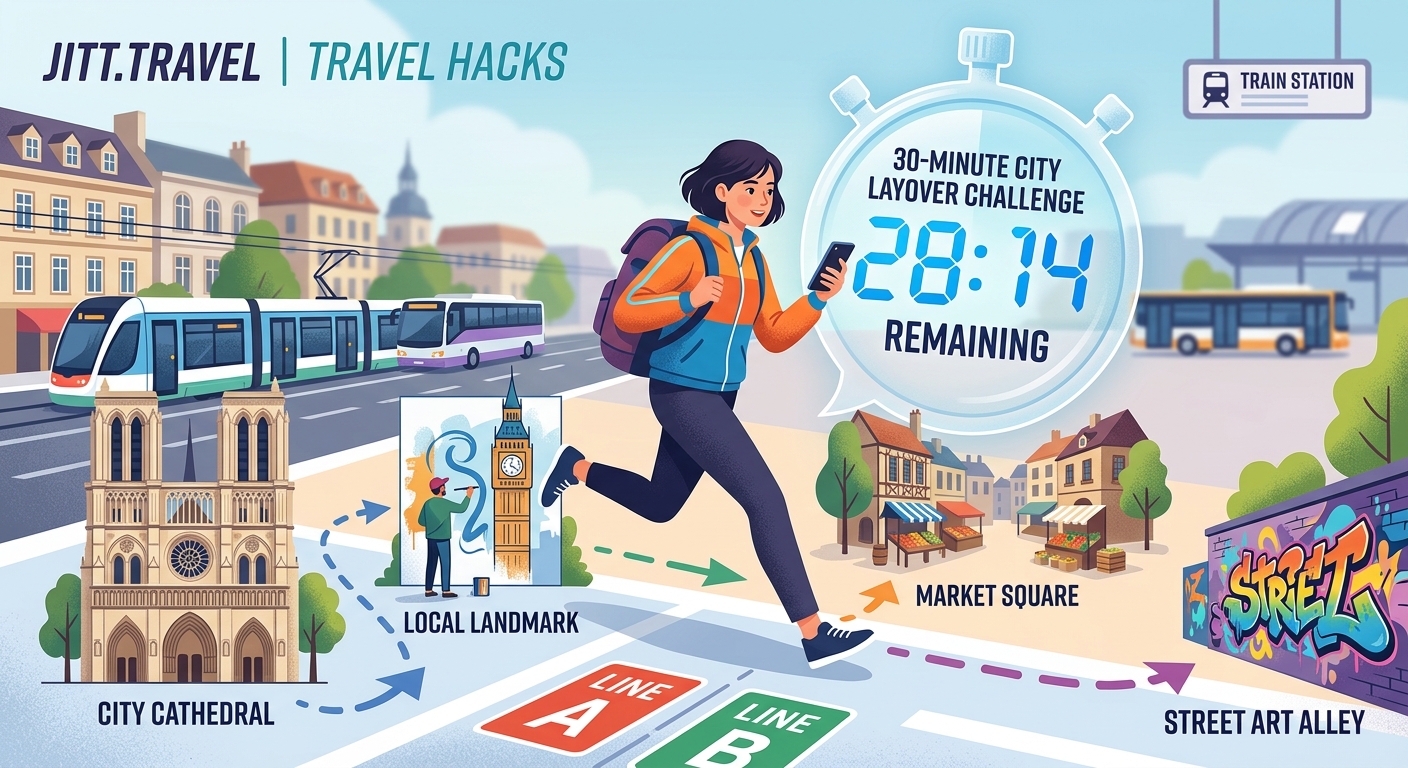
You’re stuck at the airport between flights. The clock is ticking. You’re wondering if you should stay put or make a run for the city. Most travelers overestimate what they can see during a layover, then end up sprinting back through security in a panic. Let’s talk about what you can actually accomplish based on how much time you have.
Key Takeaway
Most short layovers don’t allow time for city exploration. A 2-hour layover means staying at the airport. With 4 hours, you might grab food nearby if the airport is close to downtown. A 6-hour window opens real possibilities, but only in cities with excellent airport connections. Always subtract 90 minutes minimum for security, boarding, and transit buffer time before deciding to leave.
The Math That Actually Matters
Airport time works differently than regular time. You need to account for every step, not just the train ride.
Here’s what eats your layover hours:
Deplaning and walking to arrivals: 15-25 minutes
Immigration if international: 20-60 minutes
Getting to ground transportation: 10-20 minutes
Transit to city center: 15-90 minutes depending on airport
Return transit: same as arrival
Check-in and bag drop if needed: 20-40 minutes
Security screening: 15-45 minutes
Walking to your gate: 10-20 minutes
Recommended arrival before boarding: 30-40 minutes
Add it all up. You’re looking at a minimum of 2.5 to 3 hours just moving between the airport and anywhere else. That’s before you do anything.
Breaking Down Layover Windows
Two Hours or Less
Stay at the airport. This isn’t even a question.
Two hours barely gives you time to use the bathroom, grab coffee, and get to your next gate. If you’re changing terminals or airlines, you might be cutting it close even without leaving the airport.
Use this time to:
Find your departure gate so you know where you’re going
Eat something substantial since airplane food isn’t getting better
Charge your devices at a power outlet
Use a real bathroom instead of the airplane lavatory
Walk around to stretch your legs after sitting
Some airports have interesting terminals. Singapore Changi has a butterfly garden and movie theater. Seoul Incheon has a Korean culture museum. Amsterdam Schiphol has an art museum annex. You can see these without leaving the secure area.
Three to Four Hours
You’re in the danger zone. Technically possible to leave, realistically risky.
This window only works if your airport sits extremely close to something worth seeing AND has reliable, fast transit. We’re talking about airports like:
Airport
City Distance
Transit Time
Feasible Activity
London City (LCY)
6 miles
20 min
Canary Wharf walk
Stockholm Arlanda
25 miles
20 min
Gamla Stan stroll
Hong Kong (HKG)
20 miles
24 min
Kowloon waterfront
Oslo Gardermoen
30 miles
20 min
Karl Johans gate
Even in these cities, you’re looking at maybe 60-90 minutes on the ground. That’s one neighborhood, one meal, or one specific sight. Not a tour.
A four-hour layover gives you about 90 minutes of actual city time if everything goes perfectly. Trains run on time, you don’t get lost, and security lines are short. Bank on Murphy’s Law instead.
Five to Six Hours
Now we’re talking. This is the sweet spot for a genuine layover adventure.
Six hours gives you roughly 3 hours in the city if you move with purpose. You can see a concentrated area, eat at a real restaurant, and still make your flight without cardiac arrest.
Cities that work well for this:
Singapore: Marina Bay area, hawker center lunch, return
Copenhagen: Nyhavn, Tivoli Gardens, or meatpacking district
Munich: Marienplatz, beer garden, walk back through old town
Taipei: Ximending or night market depending on time of day
Lisbon: Alfama or Bairro Alto with tram rides
The key is picking ONE neighborhood and staying there. Trying to hit multiple areas burns your time on transit.
Activities Ranked by Time Required
Let’s get specific about what fits in different windows.
30-60 minutes of city time:
– Walk one famous street or waterfront promenade
– Eat at one specific restaurant you researched
– See one building or monument from outside
– Browse one market or shopping street
90-120 minutes of city time:
– Tour one museum or attraction with entry ticket
– Walk through one neighborhood with photo stops
– Sit-down meal at a mid-range restaurant
– Visit one viewpoint and surrounding area
2-3 hours of city time:
– Combine two of the above activities
– Take a food tour or walking tour
– Visit a neighborhood plus a major sight
– Enjoy a longer meal with drinks and dessert
4+ hours of city time:
– This is a half-day trip, not really a layover anymore
– You can see multiple neighborhoods or major sights
– Time for shopping, relaxing, and actual tourism
The Security Re-Entry Gamble
International layovers add a massive variable: security and immigration on return.
If you’re connecting internationally, you’ll go through security again. Sometimes immigration too, depending on the airport layout and your ticket type.
I’ve seen security lines at major hubs take 5 minutes. I’ve also seen them take 75 minutes at the exact same airport on a different day. You cannot predict this.
Budget 60-90 minutes for your return to the airport on international connections. Domestic connections in the US still need 45-60 minutes because TSA lines are unpredictable.
Some airports offer fast track security for a fee. If you’re planning to leave during a layover, this is worth every penny.
Cities Where It Actually Works
Not all airports are created equal for layover escapes.
Best infrastructure for short visits:
Singapore Changi: Train to city in 30 minutes, runs every few minutes, English everywhere
Hong Kong: Airport Express is fast and easy, Kowloon is right there
Tokyo Haneda: Monorail to Hamamatsucho, you’re in central Tokyo
Seoul Incheon: Express train to Seoul Station, then subway anywhere
Zurich: Train station in the airport, 10 minutes to city center
Amsterdam: Train every 10 minutes, 15 minutes to Centraal Station
Challenging airports for layover trips:
New York JFK: Far from Manhattan, expensive, traffic unpredictable
Paris CDG: 45+ minutes to central Paris even on good days
Los Angeles LAX: Traffic is a nightmare, nothing walkable nearby
Bangkok Suvarnabhumi: 30+ miles from interesting areas, traffic varies wildly
São Paulo GRU: Distance plus traffic makes timing impossible
What to Skip Entirely
Some ideas sound good but waste precious time.
Don’t bother with:
Multiple neighborhoods: Transit between areas burns 30-45 minutes each time
Restaurants that require reservations: You can’t guarantee your timing
Museums with long entry lines: The Louvre during peak hours will eat your whole window
Shopping for anything complex: Browsing is fine, but returns are impossible
Activities that require advance booking: Tours, shows, or timed entries add risk
Do consider:
Street food or casual dining: Faster, often better, more authentic
Walking-focused activities: You control the pace entirely
Outdoor sights: No tickets, no lines, no closing times
Transit-adjacent locations: Stay near your arrival/departure station
One specific goal: “I want to see the canal” beats “I want to see Amsterdam”
Backup Plans and Safety Nets
Things go wrong. Build in contingencies.
Download offline maps before you leave the airport. Google Maps lets you save areas for offline use. This saves you when your international data plan fails or you lose signal underground.
Screenshot your boarding pass and gate information. Take a photo of the airport monitor showing your flight details. You want this information available without wifi.
Know your airline’s policy on missed connections. If you leave the airport voluntarily and miss your flight, you’re usually on the hook for a new ticket. Travel insurance doesn’t cover this either.
Set phone alarms for your return journey. One for “leave the city now” and another for “you should already be at the airport.”
Have the airport address and terminal information saved in the local language. Show it to taxi drivers or ask for help if needed.
The Honest Assessment
Most travelers should stay at the airport for anything under five hours.
The stress of watching the clock, rushing through a city, and worrying about missing your flight cancels out the joy of seeing something new. You’ll remember the anxiety more than the experience.
But if you have six or more hours, the right airport, and a simple plan, a layover escape can transform dead time into a genuine experience. Just be honest about the math and realistic about what you can accomplish.
The best layover adventures are the ones where you return to the airport relaxed, not sprinting through the terminal.
Making the Call With Confidence
Deciding whether to leave the airport comes down to three questions.
First: How much buffer time can you actually spare? Take your total layover, subtract three hours for all the airport processes, and see what’s left. That’s your real window.
Second: Does the airport have reliable, fast transit to somewhere specific you want to see? Not just “the city” but an actual neighborhood or sight that matters to you.
Third: Are you comfortable with the small risk of missing your connection? Because that risk exists no matter how well you plan.
If you can answer yes to all three, go for it. Book a flexible return ticket on the airport train, pick one destination, and give yourself a hard deadline to head back. You’ll either have a great story or learn why most people just hang out at the gate.
Either way, you’ll know what you can actually do during a short layover instead of just wondering.
Flying basic economy doesn’t mean you need to sacrifice comfort or style for a week-long trip. With the right strategy, you can fit everything you need into a bag that slides under the seat in front o…
Flying basic economy doesn’t mean you need to sacrifice comfort or style for a week-long trip. With the right strategy, you can fit everything you need into a bag that slides under the seat in front of you. Airlines keep shrinking luggage allowances, but your wardrobe doesn’t have to shrink with it.
Key Takeaway
Packing a week’s worth of clothes in a personal item requires choosing versatile pieces, using compression techniques, and planning outfits around a cohesive color palette. Roll clothes tightly, wear your bulkiest items on the plane, and stick to 3-4 base colors. Most travelers can comfortably fit 5-7 tops, 2-3 bottoms, undergarments, and one pair of backup shoes using this method.
The Foundation: Choosing the Right Personal Item
Your bag choice matters more than you think. Most airlines allow personal items measuring around 18 x 14 x 8 inches, but always check your specific carrier’s requirements before you pack.
Backpacks work better than tote bags for this purpose. They distribute weight evenly and usually offer more cubic inches of actual usable space. Look for bags with multiple compartments to keep items organized and prevent everything from becoming a wrinkled mess.
Avoid bags with thick padding or rigid frames. These design features eat up precious interior space. A lightweight nylon or polyester bag gives you maximum room for clothes instead of structure.
Building Your Capsule Wardrobe
The secret to packing light isn’t about stuffing more into your bag. It’s about bringing less while still having plenty to wear.
Start by selecting a color palette of three to four colors that all work together. Black, white, and one accent color is a foolproof combination. Every piece should coordinate with at least two other items in your bag.
Here’s what a realistic week-long wardrobe looks like:
5 tops (mix of t-shirts, blouses, or button-downs)
2 pairs of pants or 1 pant and 1 skirt/shorts
1 dress that can be dressed up or down
7 pairs of underwear
4 pairs of socks
1 light jacket or cardigan
1 pair of shoes in your bag (wear your bulkier pair)
1 swimsuit if needed
Notice what’s missing? You don’t need a different outfit for every single day. Rewearing pants is completely normal. That jacket works with everything.
The Packing Process Step by Step
Follow this exact sequence to maximize space and minimize wrinkles.
Lay out every item you plan to bring on your bed or floor
Remove one-third of what you laid out (yes, really)
Roll each clothing item tightly from bottom to top
Place rolled underwear and socks inside shoes
Pack heaviest items (shoes, toiletries) at the bottom of your bag
Layer rolled clothes vertically so you can see each item
Fill gaps with smaller items like chargers or accessories
Place your jacket or cardigan on top as a cushion layer
Rolling beats folding every time. Rolled clothes take up less space, create fewer wrinkles, and let you see everything at a glance when you open your bag.
Compression Techniques That Actually Work
Packing cubes aren’t just organizational tools. They compress your clothes and create structure inside your bag.
Get one medium cube for tops and one for bottoms. Press down firmly as you zip them closed. This compression can save you 20-30% of your bag space.
For even more compression, try this method: roll your clothes, place them in a gallon-size plastic bag, and press out all the air before sealing. It works like a makeshift vacuum bag without needing any special equipment.
Wearing your bulkiest items on the plane is another form of compression. Put on your jacket, your thickest shoes, and your jeans for travel day. This frees up significant bag space for lighter items.
Common Mistakes and How to Avoid Them
Mistake
Why It Fails
Better Approach
Packing “just in case” items
Takes space you actually need
Only pack what you’ll definitely use
Bringing full-size toiletries
Liquids are heavy and bulky
Use solid bars or buy items at destination
Folding instead of rolling
Creates wrinkles and wastes space
Roll everything except structured jackets
Packing a different shoe for every outfit
Shoes are space hogs
Bring one neutral pair that works with everything
Overpacking underwear
Seven pairs is enough for seven days
Do laundry in your hotel sink if needed
The biggest mistake? Not doing a test pack before your trip. Pack your bag three days early, live out of it at home, and see what you actually use. You’ll probably find you can leave even more behind.
Toiletries and Extras Without the Bulk
Toiletries can sabotage your entire packing strategy if you’re not careful. A full shampoo bottle weighs more than two shirts.
Switch to solid versions of everything possible. Shampoo bars, conditioner bars, and solid facial cleansers take up minimal space and don’t count toward your liquid limit. They also won’t explode in your bag at altitude.
For items that must be liquid, use contact lens cases for face cream, foundation, or other products you need in tiny amounts. A week’s worth of moisturizer fits in one side of a lens case.
Skip the towel entirely. Hotels provide them, and if you’re staying in a hostel or Airbnb, a microfiber towel the size of a handkerchief dries you completely and takes up almost no room.
Pack your personal item as if you’re playing Tetris. Every gap is wasted space. Fill shoe interiors with socks, tuck charging cables into sunglasses cases, and slide thin items like tank tops into any remaining crevices. The goal is a bag so efficiently packed that nothing shifts during travel.
Laundry Strategy for Extended Trips
You don’t need 14 shirts for a two-week trip. You need seven shirts and a willingness to do laundry once.
Hand washing in a hotel sink takes about 10 minutes. Bring a small packet of laundry detergent or use the hotel shampoo in a pinch. Wring items out in a towel by rolling them up tightly, then hang everything to dry overnight.
Merino wool and synthetic fabrics dry much faster than cotton. A merino t-shirt can go from wet to wearable in four to six hours. Cotton might still be damp the next morning.
Many destinations have affordable laundromats or same-day laundry services. Spending $5-10 to wash your clothes midway through a trip beats paying $30-60 in checked bag fees.
What to Wear on the Plane
Your airplane outfit is prime real estate for your bulkiest items. This is where you stash everything that won’t fit in your personal item.
Wear your heaviest shoes, thickest jacket, and most structured pants. Layer a sweater over your shirt even if you’ll take it off after boarding. You can always stuff these items in the overhead bin once you’re seated.
Cargo pants or jackets with multiple pockets let you carry extra items without them counting toward your bag allowance. Passport, phone, snacks, and other small essentials can ride in your pockets instead of taking up bag space.
Adapting for Different Climates
Cold weather destinations require more strategy but are still manageable with a personal item.
Base layers are your best friend. One set of thermal underwear worn under your regular clothes provides warmth without bulk. You can wear the same jeans multiple days if you have fresh base layers underneath.
A packable down jacket compresses to the size of a water bottle but provides serious warmth. Get one that stuffs into its own pocket for easy packing.
For warm destinations, the challenge is different. Swimwear and beach clothes take up minimal space, but you might want more outfit variety. Stick to lightweight fabrics like linen and rayon that roll small and resist wrinkles.
The Two-Bag System
Some travelers use both their personal item and a small crossbody bag or purse. This technically counts as one personal item if the smaller bag fits inside the larger one during boarding.
Pack your main backpack with clothes, then carry a small crossbody with your laptop, documents, and valuables. Once you’re through the gate, you can wear the crossbody and carry the backpack. Flight attendants rarely enforce the one-bag rule if you’re already at your seat.
This system works especially well for business travelers who need a laptop and professional clothes. The crossbody holds your work items while the backpack carries your wardrobe.
Testing Your System Before You Travel
Don’t wait until the night before your flight to try this packing method. Give yourself time to adjust and refine.
Pack your bag a week early if possible. Unpack it. Repack it differently. See which rolling technique works best for your specific items. Figure out if your shoes actually fit or if you need to wear them instead.
Weigh your packed bag. Most personal items don’t have weight limits, but you’ll be carrying this bag through airports. Anything over 15 pounds gets uncomfortable fast.
Walk around your house with your packed bag for 20 minutes. Does it feel balanced? Are the straps comfortable? Can you access your essentials without unpacking everything? Make adjustments now, not at the airport.
Making It Work for You
Packing a week of clothes in a personal item isn’t about deprivation. It’s about freedom.
You’ll walk past the checked bag line, skip the baggage claim carousel, and head straight to your destination. You’ll never worry about lost luggage or pay another checked bag fee. Your travel days become faster, simpler, and less stressful.
The first time feels like a challenge. By your third trip, it becomes second nature. You’ll start to recognize which clothes work hard and which just take up space. Your packing gets faster and more efficient with every journey.
Start with a long weekend trip to practice. Once you see how little you actually need, that week-long vacation with just a personal item won’t seem impossible at all.