Explore the Best Local Food Markets in 2026’s Top Cities

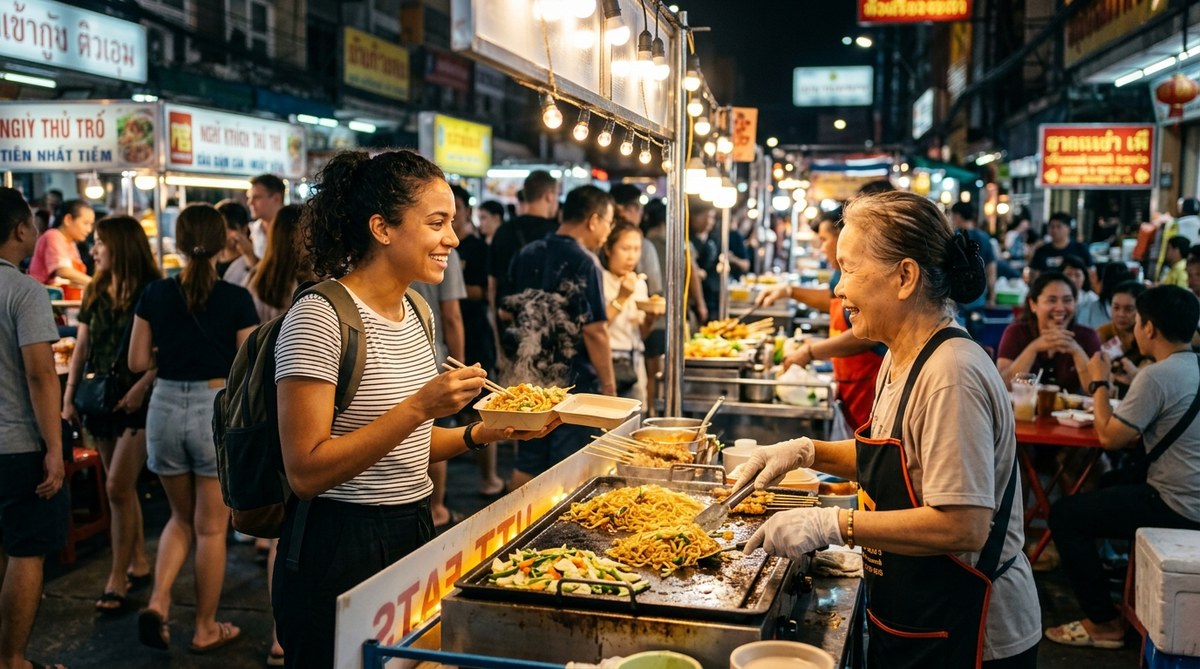
When wandering through a city’s streets, nothing beats the vibrant energy of its local food markets. They offer a taste of the area’s culture, history, and community spirit. In 2026, the best local fo…

When wandering through a city’s streets, nothing beats the vibrant energy of its local food markets. They offer a taste of the area’s culture, history, and community spirit. In 2026, the best local food markets in the United States remain hubs of culinary discovery, drawing both travelers and locals alike. From bustling urban centers to charming neighborhood gems, these markets are essential stops for anyone eager to savor authentic flavors and immerse themselves in local life.

Key Takeaway

In 2026, the top local food markets across U.S. cities offer unmatched variety, fresh ingredients, and cultural richness. They are ideal spots for food lovers to experience authentic flavors, meet local vendors, and find unique culinary souvenirs on their travels.

Why local food markets are must-visit destinations in 2026

Visiting a local food market offers more than just a meal. It’s an opportunity to see how a community values its traditions, ingredients, and culinary techniques. These markets are often the heart of neighborhoods, reflecting their history and diversity. For travelers, they provide a genuine taste of local life that larger restaurants or tourist spots might not capture.

In 2026, many markets have adapted to include sustainable practices, farm-to-table concepts, and innovative food stalls. Whether it’s a farmer’s market, a fish market, or a multicultural food bazaar, these spaces serve as gateways to authentic regional flavors and stories.

The top local food markets in the United States in 2026

Here is a curated list of the most exciting markets to visit this year. Each offers a unique experience and a chance to connect with local culinary traditions.

1. Ferry Building Marketplace in San Francisco

This historic market has been a culinary icon since the early 20th century. Today, it’s a vibrant hub of artisanal foods, fresh seafood, and local produce. Visitors can sample everything from sourdough bread to organic oysters. The Ferry Building’s emphasis on sustainability and local sourcing makes it a must-visit for food lovers.

2. Pike Place Market in Seattle

Famous for its fishmongers and flower stalls, Pike Place Market remains a symbol of Seattle’s vibrant food scene. In 2026, new vendors and chefs have revitalized the market, emphasizing farm-fresh ingredients and innovative culinary techniques. Don’t miss the chance to try the famed salmon or browse the diverse international food stalls.

3. Union Square Greenmarket in New York City

This bustling market is a staple for New Yorkers seeking fresh, seasonal produce directly from local farms. In 2026, the Greenmarket has expanded its offerings to include organic dairy, baked goods, and specialty foods from nearby states. It’s perfect for picking up ingredients for a picnic or discovering new ingredients.

4. Reading Terminal Market in Philadelphia

A historic indoor market, Reading Terminal continues to thrive in 2026. Its diverse vendors serve up iconic Philly cheesesteaks, Amish baked goods, and international cuisines. The market’s focus on traditional, locally sourced ingredients makes it a favorite for both visitors and residents.

5. Grand Central Market in Los Angeles

Lively and eclectic, Los Angeles’ Grand Central Market showcases the city’s multicultural palate. From authentic Mexican tacos to Vietnamese pho, the market’s stalls reflect LA’s diverse community. In 2026, new chef-driven vendors are elevating the market’s culinary scene further.

6. Eastern Market in Detroit

This historic market is a community cornerstone. It features local farmers, artisans, and food trucks. In 2026, Eastern Market has become even more committed to supporting local agriculture and sustainable practices. It’s a great place to taste regional specialties like Detroit-style pizza and farm-fresh vegetables.

7. Portland’s Saturday Market

Known for its artisanal crafts and food vendors, Portland’s Saturday Market offers a lively atmosphere. Visitors can enjoy local brews, handmade foods, and vegetarian options. The market’s focus on organic and locally sourced ingredients continues to grow in 2026.

8. Milwaukee Public Market

This modern market combines local vendors with innovative food concepts. In 2026, it’s become a culinary destination for craft beers, artisanal cheese, and farm-to-table dishes. It’s ideal for those wanting a taste of Wisconsin’s hearty flavors.

9. Los Angeles’ Melrose Trading Post

While famous for vintage finds, Melrose Trading Post also hosts a variety of food vendors. In 2026, it’s a hub for food trucks and local chefs offering everything from vegan bites to gourmet sandwiches. It’s perfect for a casual, eclectic culinary experience.

10. Dallas Farmers Market

A sprawling market with a focus on Texas-grown produce and meats, Dallas Farmers Market has expanded in 2026. Visitors can enjoy barbecue, fresh vegetables, and homemade baked goods. It’s a great spot for discovering regional flavors and supporting local farmers.

Practical tips for visiting food markets in 2026

To make the most of your visit, follow these steps:

  1. Research market hours and vendors before heading out. Many markets have specific days and times for different stalls.
  2. Arrive early to beat crowds and get the freshest selections.
  3. Bring reusable bags for shopping and a cashless payment card if vendors accept digital payments.
  4. Sample what’s local and seasonal — it’s the best way to experience authentic flavors.
  5. Engage with vendors — they often share interesting stories about their ingredients and techniques.

How to navigate and enjoy food markets effectively

Technique Mistake Solution
Sampling small bites Overloading on samples Take small bites to avoid filling up quickly
Talking to vendors Assuming language barriers Approach with a smile and ask politely; many vendors enjoy sharing their stories
Visiting during peak hours Missing out on fresh options Go early or late for the best selection and quieter experience
Ignoring local specialties Only sticking to familiar foods Ask vendors for their recommendations on regional dishes

“Always try to taste what the vendors are most proud of. It’s often the best representation of the local culinary culture,” advises Chef Maria Lopez, a culinary historian and food tour guide.

How to plan your market visits for maximum enjoyment

  1. Make a list of must-try foods or vendors you want to visit.
  2. Allow enough time for wandering without rushing.
  3. Take photos and notes on your favorite finds.
  4. Pair your visit with other local attractions for a full day of cultural immersion.
  5. Visit multiple markets if possible, for a broader taste of regional diversity.

Making food markets part of your travel routine

Including a local food market in your travel itinerary enriches your experience. It’s not just about tasting; it’s about understanding a place through its ingredients and culinary traditions. In 2026, many markets are also hosting cooking classes, farm tours, and cultural events, making them even more engaging.

Markets that continue to define culinary travel in the U.S. in 2026

Food markets remain vital for culinary discovery. They foster community, support small vendors, and celebrate regional ingredients. Whether you seek fresh seafood in Seattle, farm-fresh produce in Philadelphia, or multicultural bites in Los Angeles, these markets are gateways to authentic local tastes.

Keep the flavors alive in your travels

Incorporating visits to these top local food markets into your travel plans allows you to experience a city’s soul through its food. Embrace the chance to meet passionate vendors, learn about local ingredients, and enjoy the vibrant atmosphere. With the variety and innovation present in 2026, every market visit promises new flavors and stories that will stay with you long after your trip ends.

Master the Art of City Travel Budgeting: Insider Tips for Saving Big in 2026

Looking to make your city trips in 2026 more affordable without sacrificing fun? Urban adventures can quickly eat into your budget if you’re not careful. Fortunately, with a few savvy planning techniq…

Looking to make your city trips in 2026 more affordable without sacrificing fun? Urban adventures can quickly eat into your budget if you’re not careful. Fortunately, with a few savvy planning techniques, you can enjoy vibrant neighborhoods, cultural landmarks, and local cuisine without overspending. Whether you’re a seasoned traveler or a casual explorer, mastering city travel budgeting tips for 2026 helps you stretch every dollar while immersing yourself in the local vibe.

Key Takeaway

Effective city travel budgeting in 2026 involves planning ahead, utilizing local resources, and choosing affordable experiences. Small adjustments can lead to significant savings while still enjoying authentic urban life.

Understanding the Landscape of City Travel in 2026

Cities continue to evolve as travel hubs, blending tradition with innovation. Trends like digital passes, community-based accommodations, and local food scenes make urban travel more accessible and budget-friendly. Knowing what’s available helps you avoid tourist traps and discover hidden gems. The key is to blend smart planning with spontaneous discoveries.

Practical Steps for Budget-Friendly City Travel in 2026

1. Plan Your Trip with Local Insights

Start by researching the city’s free or low-cost activities. Many cities now offer digital city passes that include public transport and access to popular attractions at a discounted rate. Websites like Visit the USA provide curated lists of budget-friendly activities. Additionally, social media groups and travel forums can reveal insider tips on free events, street festivals, or local markets.

2. Use Public Transportation and Alternative Transit

Public transit remains the most economical way to navigate cities in 2026. Most urban centers have integrated apps that offer real-time schedules and fare options. For example, in New York City, the MetroCard or OMNY system can save you money compared to taxis or ride-shares. Consider walking or renting bikes for short distances—many cities now have bike-share programs with affordable rates. Check if city-specific travel passes bundle transport and attractions, reducing overall costs.

3. Choose Affordable Accommodation Options

Instead of pricey hotels, consider hostels, guesthouses, or vacation rentals in neighborhoods that locals frequent. Boutique hotels often provide better rates for longer stays or off-peak seasons. Community-based platforms like Airbnb offer options that let you stay in authentic neighborhoods without the hefty price tag. Look for accommodations that include free Wi-Fi, self-catering kitchens, or laundry facilities to cut additional expenses.

4. Dine Smart and Embrace Local Cuisine

Eating out can quickly inflate your travel budget. To save, seek out food stalls, markets, and casual eateries where locals dine. Many cities boast hidden food markets that serve delicious meals at a fraction of restaurant prices. Apps like HappyCow help locate budget-friendly vegetarian and vegan spots. Preparing simple meals in your accommodation can also extend your budget.

5. Prioritize Free or Low-Cost Attractions

Many cities feature free museums, parks, and cultural sites. For instance, in Washington D.C., the Smithsonian museums are free and house world-class collections. Use city tourism websites to identify these spots and plan your itinerary around them. Also, free walking tours are a fantastic way to get acquainted with a city’s history and hidden corners—many operate on tips only.

6. Leverage Technology and Apps

Smartphone apps have transformed city travel in 2026. Use navigation apps to avoid costly taxis, and download city-specific discount apps or digital passes. Some cities offer free Wi-Fi zones, so plan your online needs accordingly. Remember to activate local travel eSIMs or Wi-Fi plans for seamless connectivity without hefty roaming charges.

7. Stay Flexible and Spontaneous

Flexibility is your best friend for saving money. Last-minute deals on flights, accommodations, or activities can significantly reduce costs. Use booking platforms that offer flash sales or last-minute discounts. Being open to changing your plans based on local advice or spontaneous discoveries often leads to richer experiences and fewer expenses.

Common Pitfalls to Avoid When Budgeting for City Travel

Technique Mistake Explanation
Over-relying on taxis High transportation costs Taxis and ride-shares can drain your budget; opt for public transit or walking instead.
Ignoring local markets Missing out on cheap eats Local markets often sell fresh, affordable food and souvenirs.
Booking last-minute accommodations at peak season Overpaying Peak times spike prices; book early or visit during shoulder seasons.
Using touristy attraction passes for everything Overspending Not all included attractions are worth the cost; prioritize free options.
Neglecting free city events Missing budget-friendly fun Many cities host free concerts, festivals, and cultural events that enrich your trip.

“In 2026, leveraging local transportation options and embracing authentic experiences will save you money and deepen your connection to the city,” advises travel expert Janet Miller.

A Closer Look at City Travel Techniques and Common Mistakes

Technique Mistake Why it Matters
Buying transit passes in advance Forgetting to check validity Pre-purchased passes often save money but need to match your travel dates.
Staying outside tourist hotspots Choosing central locations Outer neighborhoods tend to be cheaper and more authentic.
Using city tourist cards selectively Overbuying for attractions Only buy if the included sites align with your interests.
Planning meals at local markets Dining at tourist-heavy restaurants Markets and casual eateries offer better prices and local flavor.

Expert Guidance for Smarter City Travel

“Focus on living like a local,” says seasoned traveler Mark Evans. “Walk, use public transit, and seek out neighborhood gems. It’s the best way to save and truly experience the city.”

Wrapping Up Your Budget-Conscious City Adventure

Applying these city travel budgeting tips in 2026 allows you to enjoy urban adventures without financial stress. Remember to plan ahead, stay flexible, and seek authentic experiences. Small adjustments, like choosing local eateries or using transit passes, can make a big difference. Keep an eye on city-specific events and discounts, and you’ll find that exploring new urban environments becomes both affordable and fulfilling.

Getting the most out of your city trips in 2026 is all about balancing smart planning with spontaneous moments. Use these tips to craft memorable journeys that don’t break the bank. Happy traveling!

Smart Travel Hacks to Save Money on City Tours in 2026

When visiting a new city, it’s tempting to splurge on guided tours and attractions. But with a little strategic planning, you can enjoy city tours without breaking the bank. In 2026, savvy travelers a…

When visiting a new city, it’s tempting to splurge on guided tours and attractions. But with a little strategic planning, you can enjoy city tours without breaking the bank. In 2026, savvy travelers are using clever tricks to stretch their budgets while still soaking in the local culture. Whether you’re planning your first visit or a repeat trip, these smart travel hacks will help you save money on city tours and make your experience richer.

Key Takeaway

Smart planning and local insights can dramatically reduce costs for city tours in 2026. Use free resources, travel off-peak, and support local experiences to enjoy more while spending less.

How to Cut Costs on City Tours in 2026

Traveling on a budget doesn’t mean missing out on the city’s best sights. Instead, it’s about using smart strategies to experience more for less. Here are proven methods to help you save money on city tours in 2026.

1. Take Advantage of Free Walking Tours

Many cities now offer free walking tours led by local guides. These tours typically work on tips only, so you pay what you feel the experience is worth. They’re a fantastic way to see top sights, learn about the city’s history, and get insider tips without a hefty price tag.

Look for reputable providers like Free Tours by Foot or local companies.
Book in advance or check their websites for schedules.

“Free walking tours are a great way to get your bearings and meet other travelers without spending much,” advises travel expert Lisa Johnson.

2. Use City Passes and Discount Cards

Most major cities now offer attraction passes that bundle popular sights at a reduced rate. These passes often include skip-the-line privileges and public transportation discounts. Before buying one, compare the list of included attractions with your planned itinerary to ensure it’s worth the cost.

Research options like the New York CityPASS or the Paris Museum Pass.
Purchase online ahead of time for convenience.
| Technique | Common Mistakes |
|——————————|————————————————–|
| Buying unnecessary passes | Not checking if your planned attractions are included |
| Ignoring expiration dates | Letting passes expire unused |
| Overlooking combo deals | Missing out on discounts for multiple attractions |

3. Plan Your Visits During Off-Peak Hours and Seasons

Many popular attractions are less crowded and cheaper during shoulder seasons or early mornings. Visiting early not only saves money but also gives you a more relaxed experience. Some sites, like museums and historical landmarks, drop their entry fees during off-peak times.

Check local calendars for festivals or holidays to avoid peak times.
Use apps like Google Maps or local tourism websites to find less busy hours.

“Timing your visits carefully can save you money and give you a more authentic experience,” notes travel analyst Mark Stevens.

4. Support Local and Hidden Gems

Instead of sticking to the usual tourist spots, seek out lesser-known neighborhoods, markets, and local eateries. Many cities offer free or inexpensive community-led tours of neighborhoods that reveal the city’s authentic character.

Use curated city guides like those on Jitt Travel to find hidden neighborhoods.
Attend community events or visit local markets to enjoy free or cheap cultural experiences.
Look for local festivals or street fairs happening during your stay.

5. Use Public Transportation and Walk More

City tours don’t have to be confined to paid guided experiences. Walking and using public transit can be the cheapest ways to explore. Many cities have extensive networks of buses, trams, or subways that are affordable and efficient.

Purchase daily or weekly transit passes for savings.
Plan your routes using apps like Citymapper or Transit.
Combine walking with public transit to maximize your exploration.

“Getting around like a local not only saves money but also uncovers neighborhoods you might miss on guided tours,” advises urban travel specialist Sarah Lee.

Techniques and Mistakes Table

Technique Common Mistakes
Booking tours online in advance Overlooking last-minute deals or special discounts
Using local apps for transportation Relying solely on taxis or ride-shares, which can be costly
Planning your itinerary around free days or hours Missing out on savings by not timing visits properly
Participating in community-led experiences Falling for tourist traps that charge high prices
Supporting local businesses and eateries Overpaying at touristy restaurants or shops

Expert Advice for Budget City Tours

“The key is to blend free experiences with local insights. Always research ahead and ask locals for hidden gems. This way, you get authentic sights at a fraction of the cost,” emphasizes travel consultant James Carter.

Avoiding Common Pitfalls

When trying to save money on city tours, it’s easy to fall into traps that end up costing more. Here’s a quick look at what to watch out for.

Mistake How to Avoid
Buying expensive guided tours indiscriminately Prioritize free or low-cost options first
Ignoring local transportation options Use public transit or walking instead of taxis or ride-shares
Not checking for multi-attraction passes Always compare the cost of individual tickets versus passes
Visiting crowded hours or seasons Plan visits during shoulder seasons or early mornings
Overpaying at tourist spots Support local vendors and seek out authentic experiences

Maximize Your City Experience Without Overspending

In 2026, smart travelers are making the most of their trips by combining free activities, local insights, and smart planning. Remember that a good part of the city’s charm lies in its neighborhoods, street art, markets, and local eateries. These often cost little or nothing but offer a richer experience.

Plan your days around free or inexpensive activities. Use city passes wisely and support local businesses. Walking more and using public transportation not only saves money but also deepens your connection with the city.

Final Steps to Budget-Friendly City Tours

Applying these hacks can transform your city visits. Map out your itinerary with free tours in mind, buy discount passes when they match your plans, and support local spots. Remember, the best experiences often come from simple, authentic interactions rather than expensive guided tours.

Travel in shoulder seasons or early mornings, and use apps to navigate transit and find hidden gems. With a little preparation, you can enjoy a city fully without overspending.

Your Budget Adventure Awaits

Traveling smarter in 2026 means making intentional choices that enhance your experience without draining your wallet. Use local resources, plan ahead, and embrace the city’s authentic side. After all, the best memories often come from unexpected discoveries made on a budget. Start planning your next city tour with these hacks in mind, and enjoy every moment without the stress of overspending.