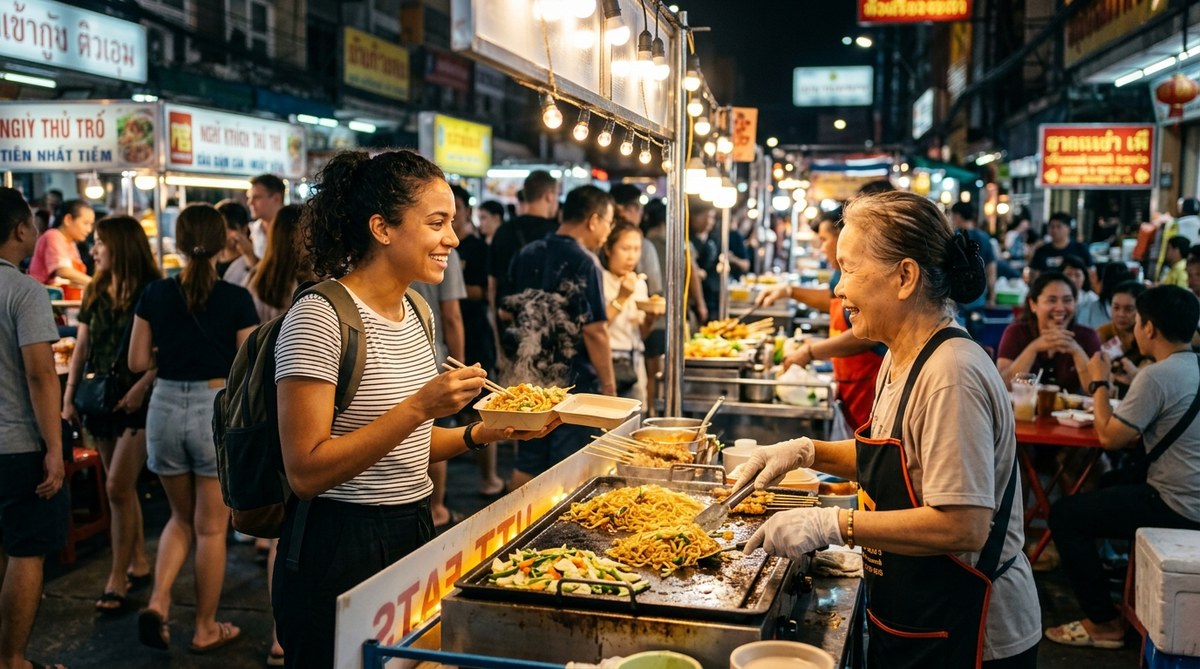
You step off a bustling Bangkok street, drawn by the smoky scent of grilled skewers and the sizzle of a hot wok. Your stomach growls. But then a whisper of doubt creeps in: what if this makes me sick? You're not alone. For many travelers, street food is the ultimate paradox: the most authentic taste of a place and the biggest source of anxiety. The good news? You can absolutely eat your way through a city without spending the next day in your hotel bathroom. It just takes a little know-how.
Street food is not inherently risky. Most foodborne illnesses come from eating at places with poor turnover, unwashed produce, or unsafe water. The secret is to watch for high customer volume, eat food cooked to order, and avoid anything that has sat out for hours. Trust your nose, follow the locals, and pack a basic stomach kit. Your taste buds will thank you.
Why Street Food Is Usually Safer Than You Think
The fear of street food often comes from a place of caution, not fact. In many cities around the world, street vendors prepare hundreds of meals a day. That high turnover means ingredients are fresh, and cooking temperatures stay high. A busy stall with a long line is a good sign: locals trust it, and the food is moving too fast to go bad.
Restaurants, on the other hand, can hide a messy kitchen behind a pretty facade. Street stalls are open. You can see exactly how your food is handled. That transparency is your biggest ally. You can watch the cook grab fresh ingredients, toss them in a screaming hot pan, and hand you a plate. That visual check is something you rarely get in a sit-down restaurant.
The 5-Step Method for Safe Street Food Eating
Follow this numbered process every time you approach a new stall. It takes less than a minute and can save you a world of discomfort.
- Check the queue. A line of locals is worth its weight in gold. If you see a mix of office workers, grandmothers, and kids, you have found a winner. Tourists in line? Proceed with caution. Locals know which spots are clean and which are not.
- Watch the cooking. Does the vendor cook food to order? Or do they dish out items that have been sitting under a heat lamp? Always choose a stall where you see raw ingredients go into the pan. Fully cooked food that is served piping hot kills most bacteria.
- Peek at the setup. Is the stall clean? Do they have running water or at least a bucket of soapy water for washing hands? Look for covered ingredients and a tidy workstation. A messy stall is a red flag, even if the food smells amazing.
- Time your visit. Aim for peak meal times. Lunch service from 12 to 2 and dinner service from 7 to 9 mean the food is fresh and turnover is high. Avoid the lull between 3 and 5 PM when food may have been sitting out longer.
- Trust your nose and gut. If something smells off, skip it. If the vendor seems distracted or handles money and food with the same hands, walk away. Your instincts are a powerful tool.
Safe vs. Risky: A Quick Reference Table
| What to Choose | What to Skip | Why |
|---|---|---|
| Grilled meats and fish cooked right in front of you | Pre-made salads or cold dishes | Heat kills pathogens; cold items may have been left out too long |
| Fruit you peel yourself (oranges, bananas, mangoes) | Pre-cut fruit served from a display | The knife and water used to rinse it could be contaminated |
| Steaming hot soups and broths | Lukewarm sauces left in open bowls | High temperature is your friend; warm is a danger zone |
| Drinks from sealed bottles or cans | Ice from unknown sources | Ice can be made with tap water; bottled drinks are safer |
| Eggs cooked to order (fried, scrambled) | Raw or runny eggs in dressings | Fully cooked eggs eliminate salmonella risk |
Signs of a Trustworthy Street Food Stall
- The vendor wears gloves or uses tongs to handle food.
- They have a separate pair of gloves or a utensil for handling money.
- Ingredients are stored in covered containers, not open to dust and flies.
- There is a steady stream of customers. No line at all? Think twice.
- The cooking surface looks clean and well-maintained.
If you see three or more of these signs, you are probably in good hands. When in doubt, follow the advice of seasoned traveler Mark Wiens, who has eaten street food in over 50 countries without major issues.
The number one rule is simple: eat where the locals eat. Not where the guidebook tells you to eat. If you see a line of taxi drivers or construction workers waiting for their lunch, get in that line. They know what is safe and what is worth the money.
Common Mistakes That Lead to a Bad Tummy
Even experienced travelers slip up sometimes. Here are the most common pitfalls and how to avoid them.
- Drinking tap water through ice. Even if the drink itself is safe, ice can be a hidden source of contamination. Ask for drinks without ice, or bring your own reusable bottle with a filter.
- Eating raw vegetables or herbs. Those beautiful garnishes on your banh mi? They were likely rinsed in tap water. If you are in a place with questionable water, skip the raw greens. The cooked meat and bread are fine.
- Assuming that everything is cooked. Some street foods are served raw or partially cooked. Think ceviche, steak tartare, or raw egg in a sauce. Unless you are confident in the vendor's hygiene, stick with fully cooked options.
- Forgetting to wash your hands. You touch money, railings, and your phone. Then you pick up a taco. Carry hand sanitizer or wet wipes and use them before every meal.
What to Pack in Your Street Food Survival Kit
A small pouch in your daypack can make all the difference. Pack these items before you leave home.
- Hand sanitizer with at least 60% alcohol.
- Reusable utensils (fork, spoon, chopsticks). Disposable cutlery is often washed in questionable water.
- Activated charcoal capsules or travel probiotics to support your gut.
- Oral rehydration salts in case you do get sick. Mix with bottled water.
- Tums or Pepto-Bismol for minor upsets.
I always carry a spork and a tiny bottle of hand sanitizer. It takes seconds to clean up, and I have never regretted it. Many travelers also find that taking a daily probiotic a few days before their trip and during helps maintain a healthy gut balance when exposed to new bacteria.
Eating with Allergies or Dietary Restrictions
If you have food allergies, street food can feel even trickier. The key is preparation. Carry a translation card in the local language that lists your allergies clearly. For example: "I am allergic to peanuts. Does this dish contain peanuts?" Written in the local script, this card has saved me more than once.
Also, stick to simple dishes with few ingredients. A grilled skewer of meat is easier to assess than a complex curry with hidden ingredients. In many Asian cities, you can ask for "no MSG" or "no fish sauce" if needed. If you are gluten-sensitive, avoid battered and fried foods unless you see the vendor use a separate fryer.
For a deeper look at navigating food restrictions abroad, check out our guide on how to navigate food allergies and dietary restrictions in foreign cities.
When Things Go Wrong: What to Do
Even with the best precautions, you might still get sick. Traveler's diarrhea happens. The most important thing is to stay hydrated. Drink bottled water with oral rehydration salts. Rest. Eat plain foods like white rice, bananas, or toast if you can.
If symptoms last more than 48 hours, include a high fever, or you see blood in your stool, see a doctor. Many pharmacies in popular travel destinations can prescribe antibiotics for bacterial infections. Keep a copy of your travel insurance info handy.
Your Street Food Adventure Starts Now
Learning how to eat street food without getting sick is not about being paranoid. It is about being smart. Use your eyes, follow the flow of locals, and always prioritize food that is cooked fresh and hot. Your reward is a plate of the most unforgettable flavors a city has to offer. So grab a stool, point at what looks good, and dig in. Your next great meal is just around the corner.
If you want more city-specific advice, take a look at our curated itineraries and city guides. For example, our guide on where locals actually eat in tourist-heavy cities can help you find the hidden gems. Or if you are heading to Southeast Asia, our one-week itinerary through Bangkok, Siem Reap, and Hanoi will point you to the best street food stops. Happy eating.