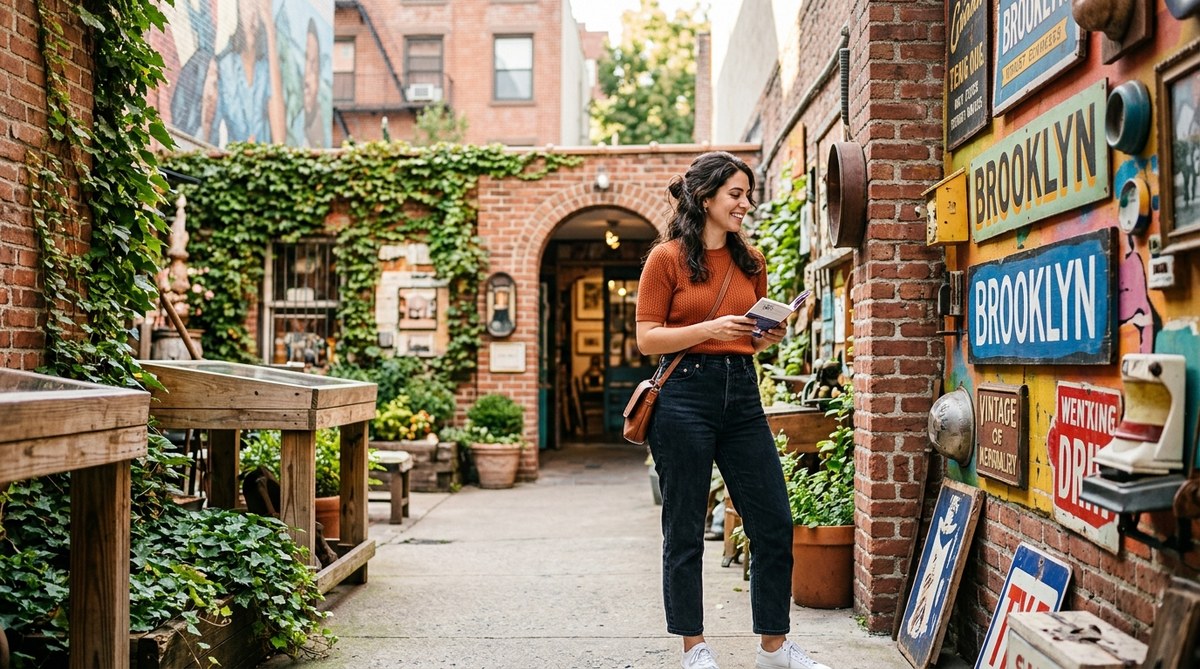
You have already conquered the Met, admired the modern art at MoMA, and snapped the perfect shot of the Museum of Natural History’s blue whale. Now what? The city that never sleeps hides a second layer of cultural treasures — small, weird, and wonderfully unexpected spaces where you can spend an afternoon without fighting crowds. These are the off the beaten path museums New York City locals keep to themselves. And once you know where to look, you will understand why.
New York City has hundreds of small museums that rarely make the guidebook covers. From a 19th-century tenement to a neon sign graveyard, these spots offer intimate, hands-on experiences you will not find anywhere else. This guide shows you how to find them, what to expect, and why they are worth your time — even if you only have a weekend in the city.
Why Bother with the Under the Radar Museums?
Big blockbuster museums have their place. But they also have timed tickets, shoulder-to-shoulder galleries, and gift shops that sell the same keychain in every city. A hidden museum, on the other hand, gives you a real conversation starter. You walk into a place that feels like someone’s eccentric living room, meet a passionate curator, and leave knowing something you never knew you needed to learn.
These spaces are also cheaper. Many ask for a small donation or charge under $15. Some are even free. And because fewer people visit, you can take your time reading every label without someone nudging past you.
For a traveler who has already done the tourist loop, these spots feel like discovering a secret level in a video game.
The Best Hidden Museums in NYC (For Every Kind of Curious Mind)
Instead of listing five heavy hitters (you can read our dedicated post for that), let us look at the categories that define the city’s underground museum scene. Use these as a filter to choose your next adventure.
| Museum Type | What to Expect | Best For | Example |
|---|---|---|---|
| Living History | A preserved apartment, workshop, or store where the past feels alive. | History buffs, families with older kids | The Tenement Museum |
| Quirky Collection | One person’s obsession turned into a public display. | Anyone who loves odd facts | The Museum of the American Gangster |
| Industrial & Trade | Factories, machines, or crafts that shaped the city. | Engineers, design lovers | The City Reliquary |
| Art & Oddities | Galleries inside old firehouses, churches, or storefronts. | Art lovers tired of white cubes | The Drawing Center |
| Niche Cultural | Celebrating a specific ethnic group, language, or tradition. | Culture chasers | The Ukrainian Museum |
How to Spot a Truly Hidden Gem
Not every small museum is worth your time. Here is how to tell the authentic ones from the tourist traps:
- Check the location. Genuinely offbeat museums sit in residential neighborhoods, in basements, or above a bodega — not on the main tourist drag.
- Look at the ticket price. If it is under $10 or “pay what you wish,” it is likely a labor of love.
- Read recent reviews. Look for language like “passionate curator,” “unexpected,” and “no crowds.”
- See if they have weird hours. A museum that is only open Saturday and Sunday afternoon is usually run by volunteers who really care.
A Step-by-Step Guide to Planning Your Offbeat Museum Day
You can pack three hidden museums into one afternoon without rushing. Here is how:
- Pick a neighborhood cluster. Choose one borough or section of Manhattan. For example, the Lower East Side alone holds the Tenement Museum, the Museum at Eldridge Street, and the New Museum (though the last one is more known, it still feels under-frequented).
- Check hours online first. Many smaller museums open late or close on Mondays. Print or save their schedule.
- Bring cash. Some still do not take cards. A $10 bill will cover most admission fees.
- Talk to the staff. Ask them for recommendations. The person behind the desk often knows the best nearby lunch spot or another hidden museum you missed.
- Leave time to wander. The best discovery often happens when you walk between museums. You might stumble on a street art mural or a pop-up gallery.
“The City Reliquary in Brooklyn is my secret weapon for impressing out-of-town guests. It’s like a thrift store that only sells New York history. I’ve never walked out without learning something ridiculous and wonderful.” — Sarah K., local tour guide
Must-Avoid Mistakes When Visiting Niche Museums
Even enthusiasts make these errors. Learn from them so your visit stays fun.
- Assuming small means boring. A 200-square-foot room can hold more character than a five-floor blockbuster. Give each space your full attention.
- Skipping the gift shop. In tiny museums, the gift shop is curated by the same person who runs the exhibits. You might find handmade buttons, zines, or postcards you will not see anywhere else.
- Not asking questions. The docent at a small museum is often the founder. They love to talk. Ask them how they started the collection.
- Forgetting to donate. If admission is free, drop a few dollars in the box. These places survive on goodwill.
Off the Beaten Path Museums New York City: Where to Start This Weekend
If you only have three hours, here is a mini itinerary that hits three distinct experiences:
Stop 1: The City Reliquary (Williamsburg, Brooklyn)
This tiny civic museum is packed with artifacts from New York’s past — old subway tokens, vintage soda bottles, pieces of the original Penn Station. Admission is a suggested $5 donation. You will be in and out in 45 minutes.
Stop 2: The Museum of the American Gangster (East Village, Manhattan)
Housed in a former speakeasy, this museum tells the story of organized crime in New York through authentic artifacts, including Al Capone’s personal items. Tickets are $15, and you can grab a drink at the bar downstairs afterward.
Stop 3: The Tenement Museum (Lower East Side, Manhattan)
Book a guided tour of a restored 19th-century apartment building. You will walk through the cramped rooms where immigrant families lived and hear their stories. It is more immersive than any exhibit.
How to Find Your Own Unusual NYC Museums
You do not need a curated list to be an explorer. Use these methods to discover your own hidden spots on the fly.
- Use Google Maps and search “museum” in a neighborhood you have never visited. Zoom in on areas without big blue landmarks.
- Follow NYC museum collective accounts on Instagram. They often share openings of tiny spaces.
- Pick up a copy of the Museum of the City of New York’s unofficial map from a local bookstore.
- Ask a bartender or barista in a residential neighborhood. They usually know the local curiosities.
For more travel inspiration that goes beyond the obvious, check out our guide to 15 Hidden Neighborhoods in Paris That Most Tourists Never Discover. The same principle applies in any great city — the real magic is always a few blocks off the main avenue.
Why New York Keeps Its Best Museums a Little Hidden
The city changes fast. Storefronts become banks, banks become condos, and small museums close when their founders retire. But that fragility is part of the charm. Every visit to an off the beaten path museum in New York City feels like a small act of discovery — you are seeing something that may not be here next year.
That is why locals love them. They are not permanent monuments. They are living projects, sustained by the passion of a single person or a small group. When you walk through the door, you become part of that story.
So next weekend, skip the blockbuster. Head to a quiet block in Brooklyn or a walk-up in the East Village. Knock on the door of a museum that barely has a sign. You will be rewarded with something rare in this city: a moment of quiet wonder, all to yourself.