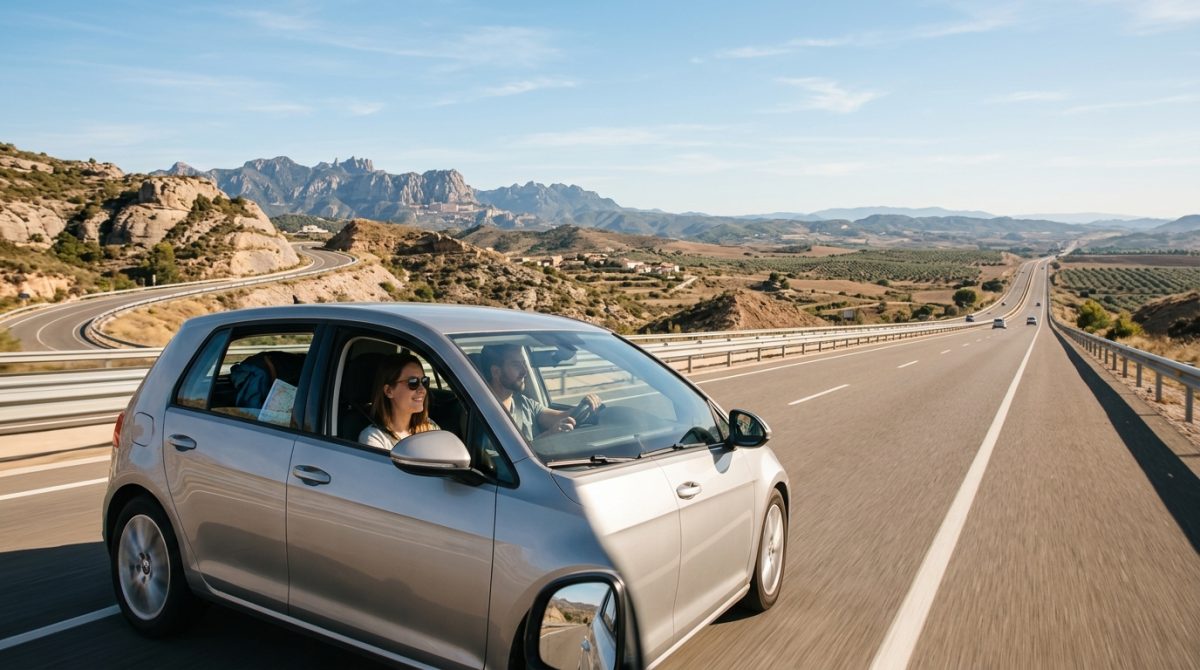
The open road between Barcelona and Madrid stretches across some of Spain’s most captivating landscapes. This 380-mile journey transforms a simple drive into an adventure through medieval towns, sun-baked plains, and mountain passes that have witnessed centuries of history. You’ll taste wine in ancient cellars, walk cobblestone streets where Romans once trod, and discover why this route remains one of Europe’s most rewarding self-drive experiences.
A Barcelona to Madrid road trip takes 6 to 7 hours of pure driving time, but planning 7 to 14 days allows you to experience Zaragoza, Valencia, Cuenca, Toledo, and Segovia. The route offers flexibility between coastal and inland paths, with each stop revealing distinct Spanish culture, architecture, and cuisine that makes the journey far more rewarding than flying.
Choosing Your Route Between Two Spanish Giants
Two main paths connect Barcelona and Madrid, each offering completely different experiences.
The northern route follows the A-2 highway through Zaragoza and Soria. This path cuts through Aragon’s dramatic landscapes and brings you face to face with Mudéjar architecture. The drive takes about 6 hours without stops, but you’d miss everything that makes this journey special.
The southern route dips toward Valencia before heading inland through Cuenca. This option adds coastal scenery and the chance to visit Spain’s third-largest city. The distance increases slightly, but so does the variety of landscapes and cultural experiences.
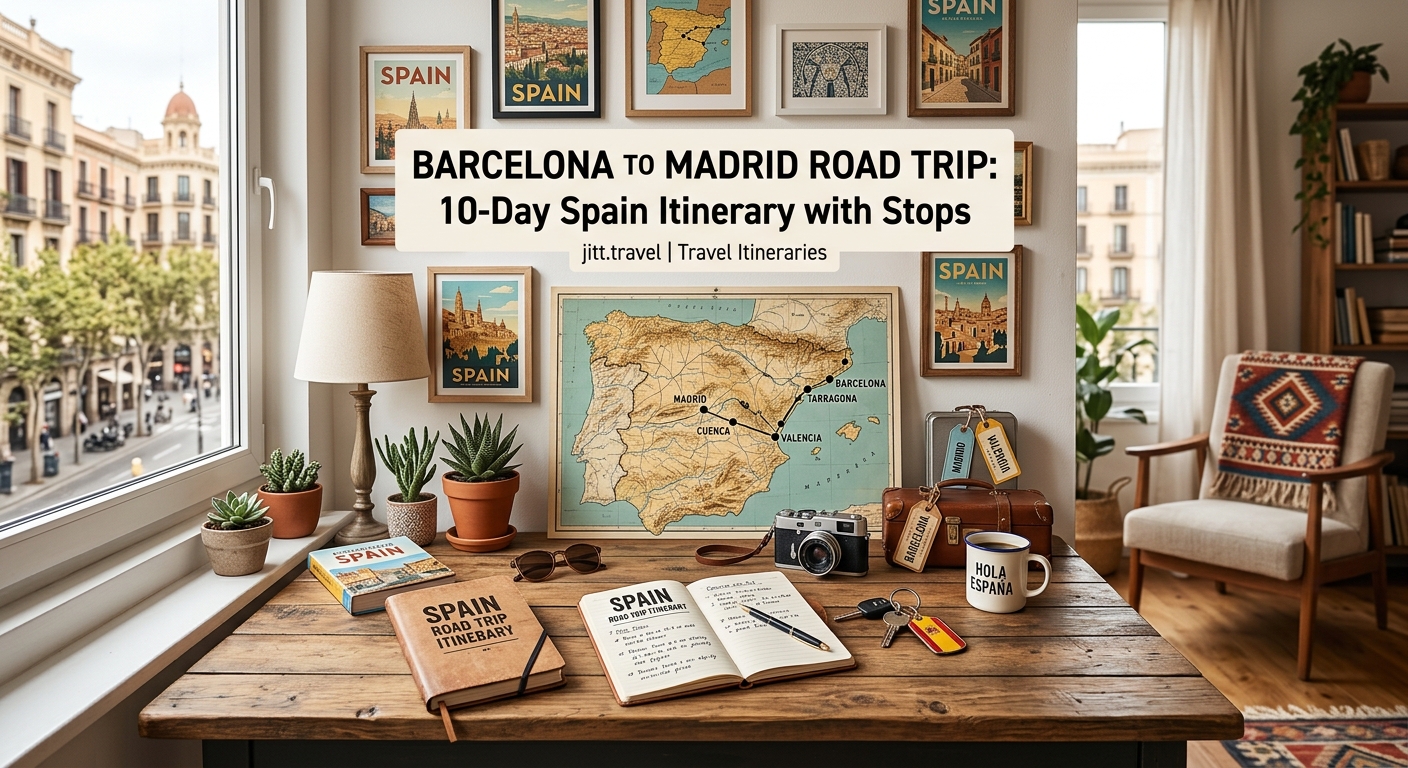
Most travelers combine elements of both routes. Drive south to Valencia, then cut inland through Cuenca and Toledo before reaching Madrid. This approach maximizes variety without excessive backtracking.
Essential Planning Before You Hit the Road

Renting a car in Barcelona gives you the most flexibility. Book at least three weeks ahead during summer months. Automatic transmissions cost more but reduce stress on mountain roads.
Your driver’s license from home works throughout Spain if you’re visiting from the EU. Travelers from other countries need an International Driving Permit alongside their regular license. Get this before leaving home, as you cannot obtain one in Spain.
Toll roads dominate major highways in Spain. Budget €50 to €80 for tolls on the full Barcelona to Madrid route. The Via-T electronic payment system speeds up toll booths, but cash and cards work everywhere.
Spanish highways maintain excellent conditions year-round. Summer brings intense heat across the central plains, with temperatures exceeding 100°F. Spring and fall offer the most comfortable driving weather, with mild temperatures and fewer tourists at major stops.
Must-Stop Cities That Define This Journey
Zaragoza: Where Three Cultures Converge
Located exactly halfway between Barcelona and Madrid, Zaragoza deserves a full day minimum. The Basilica del Pilar dominates the city skyline, its eleven colorful domes reflecting in the Ebro River.
The Aljafería Palace showcases Islamic architecture that influenced Spanish design for centuries. Walk through horseshoe arches and intricate geometric patterns that predate the Alhambra. Entry costs €5, and the palace opens daily except Mondays.
Tapas culture thrives in El Tubo, the old quarter’s maze of narrow streets. Order ternasco (roast lamb) and local Somontano wines. Portions run small, so order multiple dishes and share.
Valencia: Mediterranean Energy Meets Futuristic Design
Valencia sits slightly off the direct route but rewards the detour. The City of Arts and Sciences creates an otherworldly landscape of white curves and reflective pools. Architect Santiago Calatrava designed these structures to resemble natural forms.
The Central Market bursts with color and energy every morning except Sunday. Vendors sell everything from fresh seafood to jamón ibérico. Grab ingredients for a picnic or eat at one of the market bars.
Paella originated in Valencia, not tourist restaurants in Barcelona. Authentic versions use rabbit and snails, though seafood variations have become popular. Restaurant La Pepica has served paella since 1898 and maintains traditional recipes.
Cuenca: A City Suspended in Time
Cuenca’s hanging houses cling to cliff edges above the Huécar River gorge. These medieval structures seem to defy gravity, their wooden balconies jutting out over empty space.
The drive from Valencia to Cuenca takes about 90 minutes through increasingly mountainous terrain. Roads wind through pine forests and past abandoned villages that tell stories of rural depopulation.
Park outside the old town and walk across the San Pablo Bridge for the best views. The bridge spans a dramatic gorge, offering photographs that capture Cuenca’s impossible geography.
The Abstract Art Museum occupies one of the hanging houses. Even if modern art isn’t your preference, the building itself justifies the €3 entry fee.
Toledo: Spain’s Medieval Masterpiece
Toledo served as Spain’s capital until 1561 and retains the grandeur of that era. The entire old town earned UNESCO World Heritage status for its preservation of Christian, Jewish, and Islamic heritage.
The cathedral ranks among Spain’s finest Gothic structures. Stained glass windows filter colored light across stone columns. El Greco’s paintings hang in the sacristy, including “The Disrobing of Christ.”
Toledo’s Jewish quarter preserves two medieval synagogues. Santa María la Blanca features horseshoe arches and geometric designs that blend Islamic and Jewish traditions. The Synagogue of El Tránsito houses a museum explaining Sephardic Jewish history in Spain.
Marzipan shops line every tourist street. This almond-based sweet became Toledo’s signature product centuries ago. Buy from Santo Tomé for the highest quality.
Segovia: Roman Engineering Meets Fairy Tale Castles
The Roman aqueduct in Segovia stands as one of the best-preserved examples of Roman engineering anywhere. Built without mortar, 167 arches carry water across the city center. Construction dates to the 1st century AD.
The Alcázar inspired Disney’s Cinderella Castle with its pointed turrets and dramatic clifftop position. Walk through royal chambers and climb the tower for views across the Guadarrama Mountains.
Roast suckling pig (cochinillo) defines Segovian cuisine. Restaurants traditionally prove the meat’s tenderness by cutting it with a plate edge rather than a knife. Mesón de Cándido has perfected this dish since 1786.
Practical Driving Tips for Spanish Roads
Speed limits on Spanish highways reach 120 km/h (75 mph). Radar cameras appear frequently, and fines arrive by mail to your rental company. They add processing fees on top of the ticket.
Gas stations become sparse across central Spain’s plains. Fill up when you see stations rather than waiting for the tank to hit empty. Most stations offer full service and self-service pumps at different prices.
Parking in historic city centers requires patience. Look for blue-line street parking or underground garages. White lines indicate free parking, but spaces fill early. Green lines mean residents only.
Spanish drivers maintain different habits than northern Europeans or North Americans. Lane discipline feels looser, and personal space shrinks. Defensive driving prevents stress and accidents.
Building Your Ideal Itinerary
The minimum time needed for this road trip spans 7 days. This allows one night in Zaragoza, two in Valencia, one in Cuenca, two in Toledo, and arrival in Madrid.
A 10-day itinerary adds breathing room. Spend an extra night in Valencia to visit the beach. Add Segovia as a day trip from Madrid or a standalone stop.
Extended trips of 14 days permit deeper exploration. Visit smaller towns like Teruel for Mudéjar towers or Albarracín for medieval streets. Add wine country stops in La Rioja or Ribera del Duero.
“The beauty of driving from Barcelona to Madrid lies not in the destination but in the freedom to stop wherever captures your attention. The planned itinerary serves as a framework, not a constraint. Some of my best travel memories came from unplanned detours to villages that simply looked interesting from the highway.” – María Torres, Spanish travel writer
Timing Your Journey Through the Seasons
Spring (April to June) brings wildflowers across the plains and comfortable temperatures for walking historic centers. Easter week sees massive crowds and higher prices in major cities.
Summer heat can be punishing, especially in July and August. Temperatures regularly exceed 95°F across the central plateau. Plan driving for morning hours and sightseeing for late afternoon.
Fall (September to November) offers harvest season in wine regions and fewer tourists at major attractions. Weather remains warm enough for comfortable travel without summer’s intensity.
Winter brings cold temperatures and occasional snow in mountain areas. Some mountain passes close temporarily. Hotel prices drop significantly, and you’ll have monuments nearly to yourself.
Budget Breakdown for Real Planning
| Expense Category | Budget Option | Mid-Range | Luxury |
|---|---|---|---|
| Car Rental (7 days) | €150 | €280 | €500+ |
| Fuel | €120 | €120 | €120 |
| Tolls | €60 | €60 | €60 |
| Accommodation (6 nights) | €240 | €480 | €900+ |
| Meals | €210 | €420 | €800+ |
| Attractions | €80 | €150 | €250+ |
| Total | €860 | €1,510 | €2,630+ |
Budget travelers can reduce costs by staying in hostels and preparing some meals. Mid-range budgets allow comfortable hotels and restaurant meals. Luxury options include paradores (historic hotel conversions) and Michelin-starred dining.
Food and Wine Stops Worth the Detour
The Ribera del Duero wine region lies north of Madrid along the Duero River. Tempranillo grapes thrive in the continental climate, producing bold red wines. Bodegas offer tastings by appointment, with some accepting walk-ins during summer.
Jamón ibérico reaches its peak quality in Extremadura and Salamanca provinces. Stop at local markets to taste different grades. The best jamón comes from acorn-fed pigs (bellota grade) and costs €80 to €150 per kilogram.
Each region maintains distinct culinary traditions:
- Aragon: Migas (fried breadcrumbs), ternasco (young lamb)
- Valencia: Paella, horchata (tiger nut drink)
- Castilla-La Mancha: Pisto (vegetable stew), manchego cheese
- Castilla y León: Roast meats, blood sausage
Common Mistakes That Waste Time and Money
Underestimating driving time between stops creates stress and ruins the experience. Add 30% to GPS estimates for rest stops, photo opportunities, and unexpected detours.
Skipping smaller towns means missing authentic Spanish life. Places like Albarracín or Sigüenza offer medieval architecture without tourist crowds.
Eating near major monuments guarantees overpriced, mediocre food. Walk three blocks in any direction for better quality and lower prices.
Failing to book accommodation ahead during peak season (May to September) limits choices and inflates costs. Reserve at least two weeks ahead for popular stops.
Ignoring siesta schedules causes frustration. Most shops and some restaurants close from 2 PM to 5 PM. Plan sightseeing around these hours or embrace the break.
Safety and Health Considerations
Spain maintains excellent healthcare standards. EU citizens should carry their European Health Insurance Card. Others need travel insurance that covers medical care.
Petty theft occurs in tourist areas, especially Barcelona. Never leave valuables visible in parked cars. Use hotel safes for passports and extra cash.
Driving poses the main safety concern. Spanish roads are safe, but accidents happen. Carry emergency contact numbers and your insurance documents.
Summer heat can cause dehydration and heat exhaustion. Carry water in the car and drink regularly, even when not thirsty.
Making the Most of Your Madrid Arrival
Madrid deserves at least three days after your road trip. The Prado Museum houses one of the world’s finest art collections. Retiro Park offers green space for recovery after days of driving and sightseeing.
Return your rental car at a Madrid airport location rather than downtown. This avoids navigating city traffic and complicated parking. Most rental companies charge the same rate regardless of return location.
Madrid’s metro system covers the entire city efficiently. Buy a 10-trip ticket for better value than single fares. The system runs until 1:30 AM on weekdays and all night on weekends.
Road Trip Essentials Checklist
- Book car rental with full insurance coverage
- Obtain International Driving Permit if required
- Download offline maps for GPS backup
- Pack sunscreen and sunglasses for intense sun
- Bring reusable water bottles for hydration
- Load Spanish phrasebook app on phone
- Reserve accommodation for first and last nights
- Save emergency numbers in phone contacts
- Pack light layers for temperature changes
- Charge camera batteries and clear memory cards
Your Spanish Adventure Awaits
A Barcelona to Madrid road trip delivers everything that makes travel meaningful. You’ll experience Spain’s diversity firsthand rather than reading about it in guidebooks. The freedom to stop where curiosity leads creates memories that package tours cannot match.
Start planning your route based on personal interests. History lovers should prioritize Toledo and Segovia. Food enthusiasts need extra time in Valencia and wine country. Architecture fans will lose themselves in Zaragoza’s Mudéjar masterpieces.
The road between these two great cities has carried travelers for centuries. Now it’s your turn to add your story to that long tradition. Pack your bags, program the GPS, and point your car toward adventure. Spain’s heartland is waiting to surprise you.