
Moving to a new neighborhood feels like a gamble when you don’t know what to look for. You might fall in love with a charming apartment only to realize the commute destroys your schedule, or the streets feel unsafe after dark. The right neighborhood shapes your daily life more than the home itself. It determines how you spend your mornings, where your kids go to school, and whether you feel at home or trapped.
Choosing the right neighborhood requires evaluating safety statistics, commute times, local amenities, school quality, and future development plans. Visit at different times, talk to residents, and assess whether the area matches your lifestyle priorities. A systematic approach prevents costly mistakes and ensures your new location supports your daily routines, family needs, and long-term goals rather than working against them.
Start With Your Non-Negotiables
Before you browse listings or schedule tours, write down what you absolutely need from a neighborhood. Not what sounds nice or what your friends recommend. What you actually need.
Safety tops most lists, but define what that means for you. Some people want gated communities. Others feel comfortable in busy urban areas with strong foot traffic. Check local crime statistics through police department websites. Look at specific categories like property crime, violent crime, and theft rates over the past three years.
Commute time matters more than most people admit. A beautiful home loses its appeal when you spend three hours daily in traffic. Map your route to work during actual commute hours. Try it on a Tuesday morning at 8 AM, not on a Sunday afternoon. Add 15 minutes for parking, walking, and unexpected delays.
Schools become critical if you have children or plan to start a family. High-performing schools boost property values even if you don’t have kids. Research school ratings, but also visit campuses. Talk to parents at pickup time. Ask about class sizes, extracurricular programs, and teacher turnover.
Budget constraints shape everything else. Calculate the true cost including property taxes, HOA fees, insurance rates, and utility costs. Some neighborhoods have significantly higher insurance premiums due to flood zones or crime rates. Others have special assessments for road repairs or community improvements.
Walk the Streets at Different Times
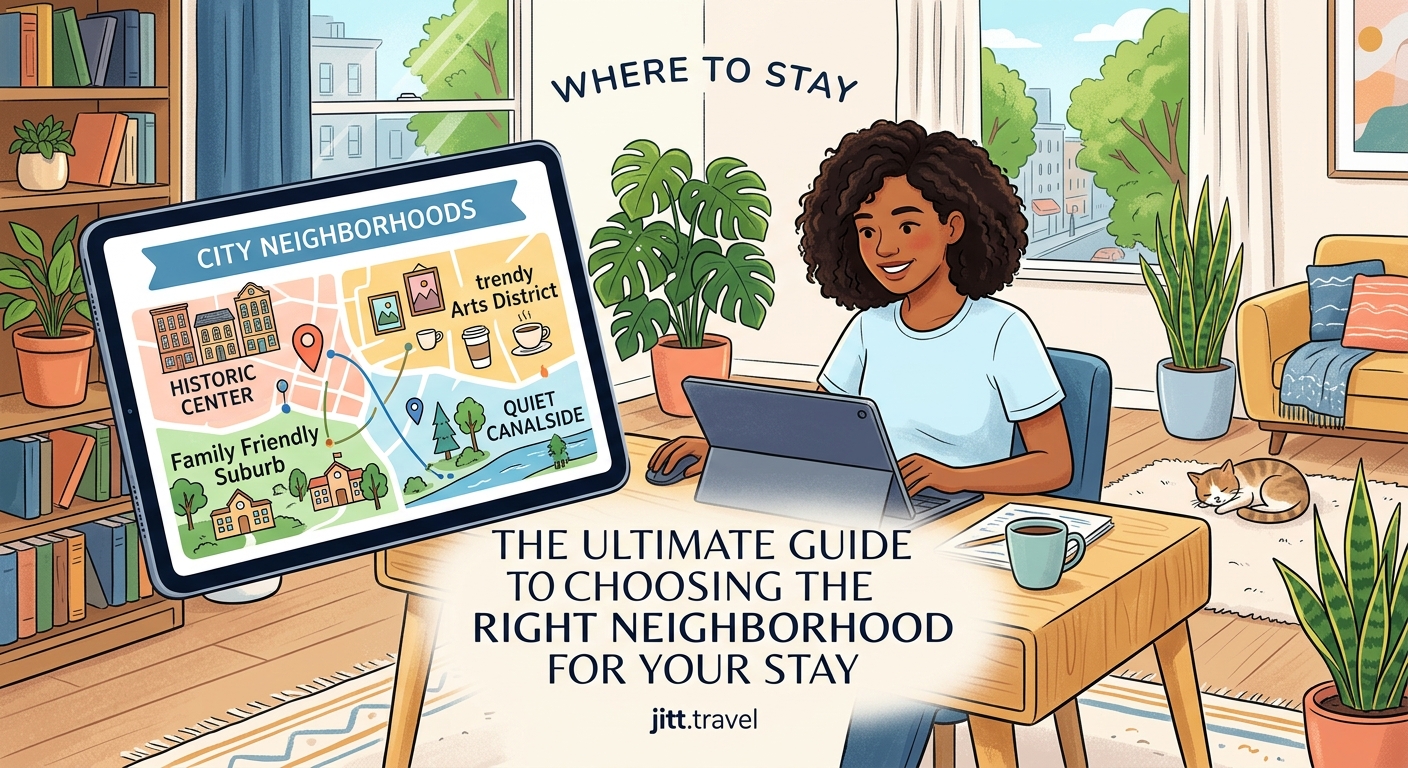
Online research only tells part of the story. You need boots on the ground to understand how a neighborhood actually functions.
Visit on a weekday morning around 7 AM. Watch the commute patterns. Notice if parents walk their kids to school or if everyone drives. Check the condition of sidewalks and crosswalks. See how neighbors interact or if everyone stays isolated.
Return on a weekday evening around 6 PM. Observe the dinner hour vibe. Are people outside? Do you see joggers, dog walkers, or families at parks? Empty streets might signal a commuter neighborhood where everyone leaves for work and returns late.
Stop by on a weekend afternoon. This reveals the true character of a place. Visit local coffee shops, grocery stores, and parks. Eavesdrop politely on conversations. Read community bulletin boards for upcoming events, concerns, or neighborhood initiatives.
A nighttime visit exposes safety concerns and noise levels. Drive through around 10 PM on a Friday or Saturday. Check street lighting. Notice if you see people walking alone comfortably. Listen for noise from bars, highways, or industrial areas that might disrupt sleep.
The best neighborhood for you isn’t the one with the highest property values or the trendiest restaurants. It’s the one where your daily routine flows naturally, where you feel comfortable walking around, and where the pace matches your lifestyle preferences.
Evaluate Proximity to Daily Needs
Convenience shapes your quality of life more than aesthetic appeal. A gorgeous neighborhood loses its charm when every errand becomes a 20-minute drive.
Map the distance to grocery stores, pharmacies, and gas stations. Ideally, you want at least one grocery store within a 10-minute drive. Check if stores match your preferences. A neighborhood might have three grocery stores, but if they’re all discount chains and you prefer organic options, you’ll still drive elsewhere.
Healthcare access becomes crucial as you age or if you have chronic conditions. Locate the nearest urgent care, hospital emergency room, and your preferred doctors. Some suburban neighborhoods sit 30 minutes from the nearest hospital, which matters during emergencies.
Recreational amenities support your hobbies and fitness goals. If you run daily, you need safe routes or nearby trails. If you have a dog, you want accessible parks with off-leash areas. Gyms, libraries, and community centers add value even if you don’t use them constantly.
Restaurants and entertainment options reveal neighborhood character. A thriving local dining scene suggests economic health and community engagement. But too many late-night bars might mean noise complaints. Balance matters here.
Research Future Development Plans

A perfect neighborhood today might transform into a construction zone tomorrow. Understanding planned changes protects your investment and sanity.
Check the city planning department website for zoning changes, approved developments, and infrastructure projects. A quiet residential street might have approved plans for a four-story apartment complex next door. A peaceful corner lot might become a gas station.
Highway expansions, new transit lines, and road widening projects disrupt neighborhoods for years. They also affect property values unpredictably. Sometimes improved access increases values. Other times, increased traffic and noise decrease desirability.
Commercial development brings jobs and amenities but also traffic and crowds. A new shopping center might add convenience but destroy the quiet character you loved. Mixed-use developments change neighborhood dynamics significantly.
School boundary changes affect families and property values. Districts redraw boundaries based on enrollment and new construction. Your dream home might get reassigned to a different school next year. Call the school district office and ask about upcoming boundary reviews.
Talk to Current Residents
People who live in a neighborhood know things you’ll never find online. They understand the unwritten rules, hidden problems, and genuine advantages.
Knock on doors of homes near your target property. Most people enjoy sharing opinions about their neighborhood. Ask specific questions. What do they love? What frustrates them? Would they move here again? What surprised them after moving in?
Join neighborhood social media groups and online forums. Read through several months of posts. Notice recurring complaints or concerns. Pay attention to how the community handles disagreements. Some neighborhoods have toxic online dynamics that reflect real-world tensions.
Attend a neighborhood association meeting if possible. These gatherings reveal priorities, conflicts, and community engagement levels. Active associations often indicate invested residents who maintain property values and advocate for improvements.
Chat with service workers in the area. Mail carriers, delivery drivers, and local shop owners observe neighborhood patterns daily. They notice which streets have package theft problems, which blocks have aggressive dogs, or which areas have parking nightmares.
Assess the Commute Beyond Drive Time
Your daily commute affects your health, relationships, and job performance more than most people realize. Evaluate it thoroughly.
Calculate costs beyond time. Gas, tolls, parking fees, and vehicle wear add up. A neighborhood 10 miles farther might save you $200 monthly in rent but cost $150 extra in commute expenses. Factor in oil changes, tire wear, and depreciation.
Consider commute flexibility. Can you work remotely some days? Does your employer offer flexible hours to avoid peak traffic? A 45-minute commute at 7 AM might become 90 minutes at 8:30 AM.
Test public transportation if available. Ride the bus or train during your actual commute time. Check reliability, cleanliness, and safety. Read reviews from regular commuters. Some transit lines have chronic delays or maintenance issues.
Weather impacts vary by route. Some commutes become dangerous during winter. Others flood during heavy rain. A route through mountains might close during snowstorms. Coastal routes might face fog delays.
Understand the True Cost of Living
Rent or mortgage payments represent just one piece of your housing budget. Hidden costs catch unprepared residents.
Property taxes vary dramatically even within the same city. Two similar homes five miles apart might have $3,000 annual tax differences. Check the county assessor’s website for exact amounts. Ask about upcoming reassessments or special levies.
Homeowner association fees fund amenities but also restrict freedoms. Read the HOA rules carefully. Some ban certain vehicle types, limit guest parking, or restrict exterior modifications. Monthly fees range from $50 to over $500. Understand what they cover and how often they increase.
Utility costs fluctuate by neighborhood infrastructure. Older areas might have higher water or sewer fees. Some neighborhoods require private trash collection. Internet options vary, with some areas stuck with expensive, slow providers.
Insurance rates reflect risk assessments. Flood zones, wildfire areas, and high-crime neighborhoods have significantly higher premiums. Get actual quotes for your target address before committing.
Match Neighborhood Pace to Your Lifestyle
Neighborhoods have personalities. Living somewhere that matches your natural rhythm prevents constant friction.
Urban cores suit people who thrive on activity and convenience. You sacrifice space and quiet for walkability and cultural options. Parking frustrates. Noise never stops. But you can walk to dinner, catch spontaneous events, and skip car ownership.
Suburban areas offer space, yards, and family-friendly environments. You need a car for everything. Social life revolves around planned activities rather than spontaneous encounters. Commutes lengthen but home sizes increase.
Rural neighborhoods provide privacy, nature access, and lower costs. You drive 20 minutes for groceries. Internet options limit. Emergency services take longer to arrive. But you get land, quiet, and distance from crowds.
Consider your age and life stage. Neighborhoods popular with young professionals might lack playgrounds and family amenities. Retirement communities might bore young couples. Family-heavy suburbs might isolate singles.
Check the Neighborhood Trajectory
Some neighborhoods improve over time while others decline. Understanding the trend protects your investment.
Property value trends tell part of the story. Check sales data for the past five years. Steady appreciation suggests stability. Rapid increases might indicate gentrification that could price you out during rent renewals. Declining values signal problems.
Business turnover reveals economic health. Frequent storefront changes suggest struggling commercial areas. Long-established businesses indicate stability. New quality restaurants and shops signal improvement.
Maintenance levels show resident investment. Well-kept homes, manicured lawns, and fresh paint indicate pride of ownership. Deferred maintenance, abandoned properties, and neglected common areas suggest decline.
Demographic shifts change neighborhood character. An influx of young families might improve schools and add parks. An aging population might reduce activity levels and school quality. Neither is inherently good or bad, but understanding the trend helps you predict future conditions.
Compare Your Options Systematically
After researching several neighborhoods, organize your findings to make a clear decision.
| Factor | Weight | Neighborhood A | Neighborhood B | Neighborhood C |
|---|---|---|---|---|
| Safety | High | 8/10 | 6/10 | 9/10 |
| Commute | High | 5/10 | 9/10 | 7/10 |
| Schools | Medium | 9/10 | 7/10 | 8/10 |
| Amenities | Medium | 7/10 | 8/10 | 6/10 |
| Cost | High | 6/10 | 8/10 | 5/10 |
| Future Growth | Low | 8/10 | 6/10 | 7/10 |
Create a simple scoring system based on your priorities. Rate each factor from 1 to 10. Weight categories by importance. Safety and commute might count double if they’re critical to you. Amenities might matter less if you travel frequently for work.
Revisit your top choices one more time before deciding. Spend a full day in each neighborhood. Imagine your daily routine playing out there. Picture weekend mornings, evening walks, and running errands.
Trust your gut after gathering data. Sometimes a neighborhood checks all the logical boxes but feels wrong. Other times, a place with minor drawbacks feels like home immediately. Data informs decisions, but intuition matters.
Common Mistakes That Cost Thousands
Learning from others’ errors saves you money and regret.
Choosing based on a single factor creates problems. A short commute doesn’t compensate for unsafe streets. Great schools don’t help if you can’t afford the property taxes. Beautiful homes lose appeal in declining neighborhoods.
Ignoring resale value hurts even renters. Neighborhoods with poor resale markets often have declining services, increasing crime, and shrinking amenities. You might not plan to buy, but living somewhere others avoid creates problems.
Underestimating commute stress destroys quality of life. Saving $200 monthly on rent means nothing if you lose 15 hours weekly to traffic. That time costs you sleep, exercise, relationships, and sanity.
Skipping the nighttime visit hides noise problems, safety concerns, and lighting issues. A charming daytime neighborhood might transform into a loud, uncomfortable place after dark.
Relying solely on online reviews creates distorted impressions. Angry residents post more than satisfied ones. One bad experience might generate ten negative reviews while hundreds of happy residents stay silent.
Your Neighborhood Decision Framework
Choosing where to live ranks among life’s biggest decisions. Get it right and your daily life flows smoothly. Get it wrong and you’ll fight your environment constantly.
- List your non-negotiables based on your actual lifestyle needs.
- Research safety statistics, school ratings, and future development plans online.
- Visit each neighborhood at different times of day and different days of the week.
- Talk to current residents, service workers, and local business owners.
- Calculate the true cost including taxes, insurance, HOA fees, and commute expenses.
- Test your commute during actual work hours, not during off-peak times.
- Create a comparison matrix scoring each neighborhood on weighted factors.
- Revisit your top two choices and spend extended time in each.
- Trust your gut after gathering sufficient data and making informed comparisons.
The perfect neighborhood doesn’t exist. Every location involves tradeoffs. Urban convenience costs you space. Suburban yards cost you time. Rural privacy costs you access.
Your job is finding the right tradeoffs for your current life stage and priorities. A neighborhood perfect for a young couple might frustrate a family with three kids. A retirement paradise might bore someone building a career.
Making Your Neighborhood Work for You
The right neighborhood supports your goals instead of fighting them. It shortens your commute instead of stealing your time. It provides amenities you actually use instead of features that look good on paper.
Start your search with clear priorities. Gather real data through visits and conversations. Compare options systematically. Then trust yourself to make the call.
Your neighborhood becomes the backdrop for your daily life. Choose one that makes ordinary days better, not one that looks impressive to others. Choose a place where you’ll actually want to spend time, not just sleep.
The effort you invest in choosing wisely pays dividends for years. A good neighborhood decision means less stress, more time, better relationships, and improved quality of life. That’s worth a few extra hours of research before you sign the lease or close on the house.