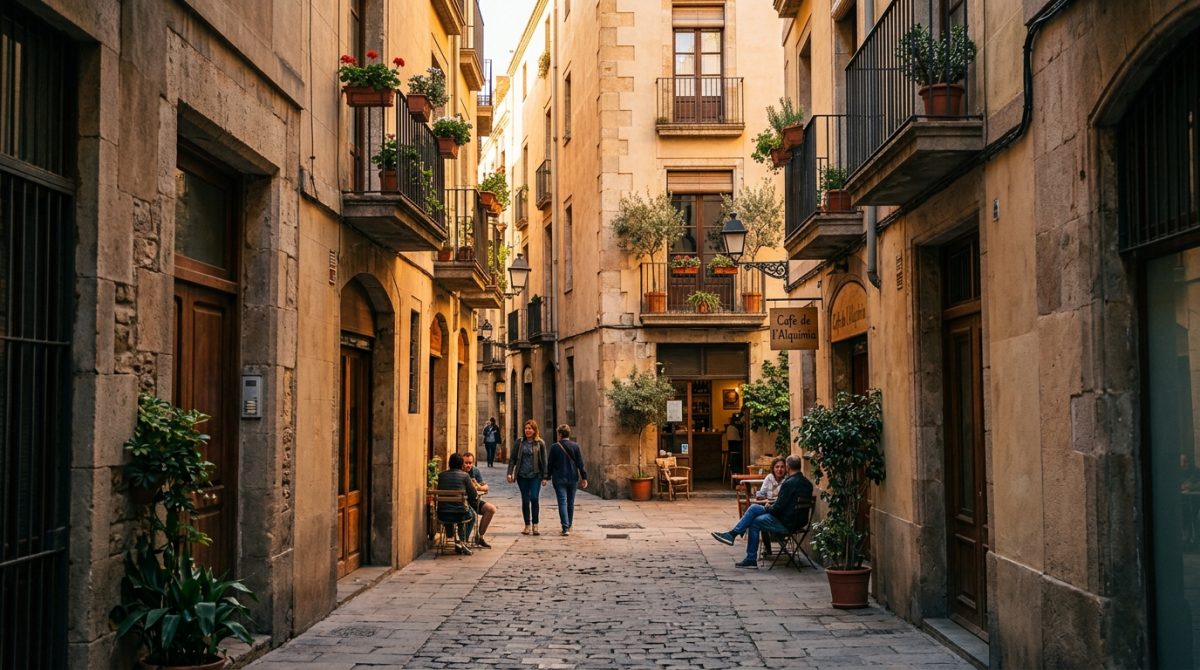
You know that feeling when you stumble into a neighborhood cafe and realize you’re the only tourist? The owner greets regulars by name. The menu isn’t translated. Nobody’s taking Instagram photos of their food. That’s the magic of finding places locals actually use, not the spots designed to extract money from visitors.
Real hidden gems exist in every city, but finding them requires specific strategies. Avoid tourist districts during peak hours, talk to service workers who live locally, and look for places without English signage. The best spots have irregular hours, no social media presence, and locals who might initially seem unwelcoming to outsiders. Success depends on respectful observation, patience, and willingness to accept that some places genuinely want to stay hidden.
Why Locals Guard Their Favorite Spots
Residents protect their hangouts for good reasons. When a place gets popular with tourists, prices rise. Service slows down. The atmosphere changes. A quiet wine bar becomes a selfie factory. A family bakery starts running out of bread by 9 AM because a travel blogger posted about it.
Locals have watched this happen repeatedly. They’ve seen their favorite lunch spot triple its prices after appearing in a guidebook. They’ve lost their regular table at the neighborhood bistro. So when they find somewhere special, they keep it quiet.
This isn’t about being unwelcoming. It’s about preservation. The places worth finding are worth protecting.
How to Actually Find Secret Local Spots
Most travelers search in the wrong places. They scan TripAdvisor, read Lonely Planet, follow food bloggers. But if a spot is listed there, it’s already discovered. The real hidden gems require different tactics.
Talk to People Who Live There Year Round
Hotel staff often live in suburbs and commute. They know tourist spots, not local ones. Instead, talk to:
- Baristas at neighborhood coffee shops
- Grocery store cashiers
- Dog walkers in residential parks
- Parents at playgrounds on weekday mornings
- Bartenders at dive bars three blocks from your hotel
Ask where they eat on their day off. Where they take their parents when they visit. Where they go for a drink after a bad day at work.
Follow the Grandmothers
Older residents know their neighborhoods intimately. They remember what was there before the tourist boom. They shop at markets that have been family run for decades.
Watch where elderly locals line up. If grandmothers are waiting outside a bakery at 7 AM, that bread is worth the wait. If they’re buying produce from a specific stall at the market, those vegetables are the freshest.
This works in every city. Age brings loyalty to quality.
Look for Signs You Can’t Read
Restaurants with menus only in the local language usually cater to locals. No English means they’re not chasing tourist dollars. The staff might not speak your language fluently, but pointing and smiling work everywhere.
Places without translations are filtering their clientele. They’re saying “if you can’t read this, we’re probably not for you.” But if you’re willing to navigate that barrier, you’ll often find better food at half the price.
Timing Matters More Than Location
The same street can feel completely different at 8 AM versus 2 PM. Tourist districts empty out in early morning and late evening. That’s when locals reclaim them.
The Early Morning Window
Between 6 AM and 9 AM, cities belong to residents. They’re commuting to work, getting coffee, buying groceries. Tourist attractions aren’t open yet. Tour groups haven’t arrived.
This is when you’ll find:
- Workers grabbing breakfast sandwiches at corner shops
- Locals doing their daily market shopping
- Neighborhood cafes serving regulars
- Parks filled with joggers and dog walkers
The same plaza that’s packed with tour groups at noon might have a fantastic local breakfast spot at 7 AM.
The Late Evening Shift
After 9 PM, tourists head back to hotels. Locals are just starting their night. Restaurants that cater to residents often don’t even get busy until 10 PM.
In Mediterranean cities, families eat dinner at 10 or 11 PM. In Asian cities, night markets come alive after sunset. In Nordic countries during summer, locals enjoy outdoor spaces until midnight.
Adjust your schedule to local rhythms, not tourist patterns.
Common Mistakes That Mark You as a Tourist
| Mistake | Why It Fails | Better Approach |
|---|---|---|
| Arriving at peak meal times | Locals eat earlier or later | Ask what time residents typically dine |
| Photographing everything | Signals you’re documenting, not experiencing | Put the camera away initially |
| Staying in tourist districts | You’ll only meet other travelers | Book accommodations in residential neighborhoods |
| Following online reviews | Popular spots are already discovered | Trust offline recommendations |
| Expecting English everywhere | Shows you haven’t adapted | Learn basic local phrases |
| Wearing obvious tourist gear | Makes you a target for tourist prices | Dress like you live there |
The goal isn’t to pretend you’re local. That’s impossible and insulting. The goal is to show respect for local culture by adapting your behavior.
Reading the Room When You Arrive
You found a promising spot. Now you need to know if you’re welcome. Some places genuinely prefer to stay local only. Others are happy to serve respectful visitors.
Pay attention to these signals:
- Does the staff make eye contact and acknowledge you?
- Are there any other obvious tourists present?
- Do people switch to English when they see you, or continue in their language?
- Is there a menu available, or do regulars just order what they want?
- Does the atmosphere feel relaxed or slightly tense when you enter?
If you sense discomfort, you have options. You can politely leave. You can sit quietly and observe before ordering. You can smile and use basic local phrases to show effort.
Sometimes initial coolness warms up once staff see you’re respectful. Sometimes it doesn’t. Both outcomes are valid.
The Art of Blending In
You’ll never fully blend in as a visitor. But you can avoid standing out unnecessarily.
Dress Appropriately
Locals don’t wear cargo shorts and running shoes to dinner. They don’t carry massive backpacks to cafes. They don’t wear resort wear in the city.
Look at what people your age are wearing in the neighborhood. Match that general style. You don’t need to buy a new wardrobe, just avoid the most obvious tourist markers.
Respect Local Customs
Every culture has unwritten rules. In some places, you wait to be seated. In others, you grab any open table. In some cities, you greet shopkeepers when entering. In others, you browse silently.
Watch what locals do before you act. Wait an extra minute to observe the pattern. This shows respect and helps you avoid awkward mistakes.
Manage Your Expectations
Hidden gems aren’t always comfortable. The bathroom might be questionable. The seating might be cramped. The service might be slow because they’re not optimized for volume.
That’s part of authenticity. Places that cater to locals prioritize regulars over efficiency. They might close unexpectedly. They might run out of popular items. They might have weird hours.
Accept these quirks as part of the experience.
Types of Hidden Gems Worth Seeking
Not all secret spots are restaurants. The best local experiences come in many forms.
Neighborhood Markets
Skip the famous central markets listed in every guidebook. Find the neighborhood markets where residents shop for groceries. These operate early morning, have better prices, and sell to people who care about value and freshness.
You’ll find seasonal produce, local specialties, and vendors who’ve been there for generations. The guy selling cheese has strong opinions about which variety pairs with what. The fish vendor knows which catch came in that morning.
Local Sporting Events
Professional sports attract tourists. But every city has amateur leagues, school competitions, and neighborhood teams. A Sunday afternoon soccer match in a local park offers genuine community atmosphere.
People bring their families. They know the players. They care about the outcome. You’ll see authentic celebration and disappointment, not performed entertainment.
Workshops and Classes
Cooking classes marketed to tourists teach simplified versions of local cuisine. But cities have cooking schools where residents actually learn. Pottery studios where locals take weekend classes. Dance schools teaching traditional styles to neighborhood kids.
Some welcome visitors to drop-in classes. You’ll be the only tourist in a room of locals pursuing a hobby. The instruction might not be in English, but you’ll learn by watching.
Religious and Cultural Celebrations
Major festivals attract crowds. But neighborhoods have smaller celebrations throughout the year. Saint’s day processions. Seasonal ceremonies. Community gatherings.
These aren’t secret, but tourists don’t know about them because they’re not marketed. Check community bulletin boards, local newspapers, and neighborhood social media groups.
“The best travel experiences happen when you stop trying to see everything and start trying to understand something. Pick a neighborhood. Spend three days there. Learn its rhythm. That’s when you stop being a tourist and start being a temporary resident.”
What to Do When You Find Something Special
You found an amazing local spot. Now what? You want to share it, but sharing might ruin it.
Consider these guidelines:
- Don’t post the exact location on social media with geotags
- If you write about it, be vague about the address
- Don’t bring large groups of other tourists
- Return as a regular if you’re in town long enough
- Tip well and respect the space
- Accept that your presence changes it slightly
Some travelers believe in keeping secrets completely. Others think good places deserve recognition. There’s no perfect answer. But consider the impact of your sharing before you post.
Cities Where This Strategy Works Best
This approach succeeds anywhere, but certain cities make it easier.
Older cities with distinct neighborhoods work well. Places like Lisbon, Bangkok, Istanbul, Mexico City, and Osaka have strong neighborhood identities. Locals live, work, and socialize in their own districts.
Cities with significant residential populations in central areas also help. When people live downtown, not just work there, you’ll find real local life mixed with tourist areas.
Smaller cities and towns often work better than capitals. National capitals attract so many visitors that even “local” spots become tourist destinations. Secondary cities have pride without the overwhelming visitor numbers.
Signs You’ve Actually Found Something Real
How do you know if you’ve succeeded? Real local spots have telltale characteristics:
- The staff seems surprised but not annoyed to see you
- Regulars occupy specific seats or tables
- People greet each other by name
- The decor hasn’t been updated in years
- There’s no English on the menu or signage
- Prices seem surprisingly low
- Hours are irregular or unexplained
- The place is busy with locals during off-peak times
- No one is taking photos of their food
- You hear only the local language being spoken
These aren’t rules, just patterns. But the more of these you notice, the more likely you’ve found somewhere genuine.
Your Role as a Respectful Visitor
Finding hidden gems comes with responsibility. You’re entering spaces that weren’t designed for you. The owners didn’t ask for tourist business. The regulars didn’t invite you.
Be a guest, not a conqueror. Observe more than you photograph. Listen more than you speak. Adapt to their customs rather than expecting them to accommodate yours.
If something feels uncomfortable or unwelcoming, that’s information. Maybe you’re not supposed to be there. Maybe you need to adjust your approach. Maybe you should try somewhere else.
Not every place needs to welcome tourists. That’s okay. There are plenty of spots happy to have respectful visitors. Find those instead.
Making the Most of Local Recommendations
When someone shares a recommendation, ask follow-up questions:
- What time do you usually go there?
- What should I order?
- Is there anything I should know before visiting?
- How do I get there using local transportation?
- Are there any customs I should be aware of?
These questions show you’re serious about the experience. They also give you practical information that prevents awkward situations.
Write down recommendations immediately. You’ll forget names and details. Keep a list on your phone of places locals mention. Include who recommended it and why.
Beyond Food and Drink
Local experiences aren’t just about restaurants and bars. Consider:
- Bookstores in residential neighborhoods
- Hardware stores with tools specific to local crafts
- Fabric markets where tailors shop
- Music venues hosting local bands
- Gyms and fitness classes
- Libraries and community centers
- Barber shops and salons
- Laundromats and dry cleaners
These everyday spaces reveal how people actually live. A neighborhood bookstore shows what locals read. A hardware store displays tools for local construction styles. A gym reveals fitness culture.
You don’t need to use these services. Just visiting and observing teaches you about daily life.
Finding Your Own Path
Every traveler has different comfort levels with uncertainty. Some people thrive on wandering into unknown situations. Others need more structure and predictability.
There’s no wrong approach. You can seek hidden gems while still visiting famous landmarks. You can balance structure with spontaneity. You can have tourist days and local days.
The goal isn’t to avoid all tourist experiences. It’s to supplement them with authentic moments. To see both the postcard version and the daily reality. To understand a place from multiple angles.
Start small. Try one local breakfast spot. Visit one neighborhood market. Attend one community event. See how it feels. Adjust from there.
When Hidden Doesn’t Mean Better
Not every local spot is worth visiting. Some places are hidden because they’re mediocre. Some are local favorites because they’re cheap and convenient, not because they’re exceptional.
Locals have different priorities than travelers. They value consistency, proximity, and value. They’ll tolerate average food if it’s close to home and affordable. They’ll return to places because they’ve been going there for years, not because it’s the best option.
Don’t romanticize everything local. Use the same judgment you would at home. If a place seems dirty or unsafe, trust your instincts. If the food looks questionable, skip it. If people seem genuinely unwelcoming, go elsewhere.
Hidden gems should enhance your trip, not become an obsession that prevents you from enjoying obvious attractions too.
Bringing It All Together Without Ruining It
The paradox of hidden gems is that finding them changes them. Your presence, however respectful, adds to the tourist count. If you share your discovery, others follow. Eventually, the hidden spot becomes a known destination.
This is inevitable. Cities evolve. Neighborhoods change. What’s local today might be touristy tomorrow. Accept this without guilt, but also without accelerating it unnecessarily.
Enjoy what you find. Respect the space. Support it financially. But consider carefully before broadcasting it to thousands of followers. Sometimes the best souvenirs are memories you keep to yourself.
The real skill isn’t just finding hidden gems. It’s knowing how to appreciate them without loving them to death.