48 Hours in Amsterdam: The Ultimate Two-Day City Break

Amsterdam packs centuries of history, world-class art, and distinctive charm into a compact city center that’s perfect for a weekend visit. You can walk between most major attractions, cycle along can…

Amsterdam packs centuries of history, world-class art, and distinctive charm into a compact city center that’s perfect for a weekend visit. You can walk between most major attractions, cycle along canals like a local, and still have time to sit at a brown café with a Dutch beer. This guide breaks down exactly how to spend 48 hours in Amsterdam without rushing or missing the highlights that make this city special.

Key Takeaway

This two-day Amsterdam itinerary covers the Anne Frank House, Rijksmuseum, canal walks, Jordaan neighborhood, local markets, and authentic Dutch dining. Book museum tickets in advance, rent a bike for easy transport, and mix famous attractions with neighborhood wandering. You’ll experience Amsterdam’s art, history, and daily life without feeling rushed or overwhelmed during your weekend visit.

Day One Morning: Canals and Culture

Start your first morning at the Anne Frank House around 9:00 AM. Book your ticket online weeks before your trip because same-day entry is nearly impossible. The museum opens early, and arriving at opening time means smaller crowds in the narrow rooms where Anne and her family hid during World War II.

The experience takes about 75 minutes. You’ll walk through the actual Secret Annex, see Anne’s original diary, and learn about the family’s daily life in hiding. It’s emotionally heavy but essential for understanding Amsterdam’s wartime history.

After leaving the museum, walk south along Prinsengracht canal. Stop at Winkel 43 for their famous apple pie, which locals genuinely eat for breakfast. The café sits on Noordermarkt square, where you can watch neighborhood life unfold.

Continue walking toward the Nine Streets shopping district. These narrow lanes between major canals hold independent boutiques, vintage shops, and specialty stores. You’re not here to shop for hours, but the architecture and canal views make this area worth 30 minutes of wandering.

Day One Afternoon: Art and History

48 Hours in Amsterdam: The Ultimate Two-Day City Break - Illustration 1

Head to the Rijksmuseum by 1:00 PM. You should have booked a timed entry ticket online. This museum holds the world’s largest collection of Dutch Golden Age paintings, including Rembrandt’s Night Watch and Vermeer’s Milkmaid.

The museum is massive. Focus on the Gallery of Honour on the second floor, which displays the most famous works. Allow two hours minimum, though art lovers could easily spend four.

The museum’s garden is free to enter and connects to the I Amsterdam sign, though the city removed the original letters in 2019. The area around Museumplein includes the Van Gogh Museum and Stedelijk Museum if you want to add another cultural stop.

By mid-afternoon, you’ll need food. Walk to the De Pijp neighborhood, about 10 minutes south. This multicultural area feels less touristy than the center. Albert Cuyp Market runs daily except Sunday, selling everything from fresh stroopwafels to Indonesian snacks.

Grab a late lunch at Bazar, a restaurant in a converted church serving Middle Eastern and North African food. The interior is colorful and the portions are generous.

Day One Evening: Jordaan Neighborhood

Spend your evening in the Jordaan, Amsterdam’s most charming residential neighborhood. This former working-class area now holds art galleries, cozy restaurants, and the kinds of cafés where locals actually drink.

Walk along Egelantiersgracht and Bloemgracht canals. These waterways are quieter than the main tourist canals but just as beautiful. The narrow houses lean at different angles, and you’ll see houseboats moored along the edges.

For dinner, try Moeders, a restaurant where Dutch mothers contribute their home recipes. The walls are covered in photos of people’s moms, and the menu rotates based on traditional Dutch cooking. Expect stamppot (mashed potatoes with vegetables), hutspot (carrot and onion stew), or slow-cooked meat dishes.

After dinner, stop at Café ‘t Smalle, a brown café from 1780 with a canal-side terrace. Order a Dutch beer or jenever (Dutch gin) and watch boats pass under the bridge. Brown cafés get their name from tobacco-stained walls, though most are now non-smoking. They’re the traditional Amsterdam drinking spot, more neighborhood living room than bar.

Day Two Morning: Markets and Museums

Start day two at the Bloemenmarkt, the world’s only floating flower market. Vendors sell tulip bulbs, fresh flowers, and tourist souvenirs from permanent barges on the Singel canal. Visit around 9:00 AM before tour groups arrive.

You can buy tulip bulbs to take home, but check your country’s agricultural import rules first. Many vendors sell bulbs cleared for international travel.

Walk north to Dam Square, Amsterdam’s central plaza. The Royal Palace sits on the west side, and the National Monument honors Dutch World War II victims. The square itself is tourist-heavy, but it’s worth seeing as the city’s historic center.

From Dam Square, walk five minutes to the Red Light District. Visiting during morning hours removes the nighttime crowds and lets you see the area’s actual architecture. The district is a legitimate neighborhood with residents, cafés, and the beautiful Oude Kerk (Old Church) from 1306.

Day Two Afternoon: Bikes and Neighborhoods

Rent a bike after lunch. Amsterdam has more bikes than residents, and cycling is the authentic way to cover ground. Rental shops are everywhere, charging around 10-15 euros per day. Get a basic city bike with a lock and bell.

Cycle east to the Plantage neighborhood. This green area holds several attractions worth your time:

  • Artis Royal Zoo, the oldest zoo in the Netherlands
  • Hortus Botanicus, a botanical garden from 1638
  • The Portuguese Synagogue, still lit entirely by candles
  • Wertheimpark, a quiet park perfect for a rest

You don’t need to visit everything. Pick one or two based on your interests. The neighborhood itself is lovely for cycling, with wide streets and fewer tourists than the center.

Continue cycling north to the NDSM wharf, a former shipyard turned creative district. It’s a 15-minute ferry ride from Central Station (ferries are free). The area features street art, shipping container studios, and waterfront cafés with views back to the city center.

Day Two Evening: Food and Farewell

Return to the center by late afternoon. Drop off your bike and head to the Canal Ring for your final evening. This UNESCO World Heritage area includes the main canals: Herengracht, Keizersgracht, and Prinsengracht.

Take a canal boat tour if you haven’t already. Evening tours are less crowded than midday options. The one-hour cruise shows you canal houses, bridges, and houseboats from water level. Audio guides explain the architecture and history.

For your final dinner, try authentic Indonesian food, a Dutch colonial legacy. Restaurant Blauw serves rijsttafel, a multi-dish meal with rice, vegetables, meats, and sambals. It’s filling and flavorful, representing Amsterdam’s multicultural food scene.

End your night at a craft beer bar. Brouwerij ‘t IJ sits next to a windmill and brews its own organic beers. Or try Café Belgique near Central Station, which stocks over 100 Belgian beers alongside Dutch options.

Practical Details for Your Weekend

Here’s what you need to know before arriving:

Topic Details Common Mistakes
Museum Tickets Book Anne Frank House 6-8 weeks ahead, Rijksmuseum 1-2 weeks ahead Assuming you can buy tickets on arrival
Transportation Bikes are fastest for distances over 10 minutes walking Renting bikes in tourist areas (too expensive)
Tipping Round up bills or add 5-10% for good service Over-tipping like in the US
Cash vs Card Most places take cards, but small cafés may be cash-only Bringing only cards
Cannabis Coffee shops require ID, no tobacco mixing allowed Assuming all cafés sell cannabis

Getting around Amsterdam is straightforward once you understand the layout:

  1. The center is compact and walkable within 20 minutes in any direction.
  2. Trams run frequently and cover areas bikes can’t easily reach.
  3. Bikes are ideal for distances beyond comfortable walking but not worth tram hassle.
  4. The GVB multi-day transit pass covers trams, buses, and metro if you skip bikes.

“First-time visitors often try to see too much. Amsterdam rewards slowing down. Sit at a canal-side café for an hour. Watch the bikes pass. That’s when you actually feel the city instead of just photographing it.” — Local tour guide, 12 years experience

What to Skip and What to Prioritize

Not everything needs to fit into 48 hours. Here’s what you can safely skip:

  • Madame Tussauds (generic tourist trap)
  • Heineken Experience (unless you love branded tours)
  • Amsterdam Dungeon (aimed at kids)
  • Canal dinner cruises (overpriced, mediocre food)

Prioritize these instead:

  • Walking or cycling through neighborhoods without a destination
  • Sitting at brown cafés during afternoon hours
  • Visiting at least one major museum (Rijksmuseum or Van Gogh)
  • Eating at least one Indonesian or Surinamese meal
  • Seeing the Anne Frank House if you booked in time

Weather impacts your experience significantly. Amsterdam averages 170 rainy days per year. Bring a waterproof jacket regardless of season. Dutch people bike in all weather, and you should too if you rent one.

Summer (June through August) brings the best weather but also peak crowds and prices. Spring tulip season (late March through May) is beautiful but books up fast. Fall and winter are quieter and cheaper, though darker and wetter.

Food You Should Actually Try

Amsterdam’s food scene goes beyond stroopwafels and cheese. Here’s what locals actually eat:

Breakfast and Lunch:
– Broodje haring (raw herring sandwich with onions and pickles)
– Uitsmijter (open-faced sandwich with eggs and ham)
– Bitterballen (deep-fried meat ragout balls, usually with drinks)
– Poffertjes (tiny fluffy pancakes with butter and powdered sugar)

Dinner:
– Stamppot (mashed potatoes mixed with vegetables and served with sausage)
– Erwtensoep (thick split pea soup, winter specialty)
– Indonesian rijsttafel (multi-dish rice table)
– Surinamese roti (flatbread with curried meat and potatoes)

Street food from the Febo automat walls is a late-night tradition. Insert coins, open the little door, grab your kroket or frikandel. It’s not gourmet, but it’s authentically Dutch and open when everything else closes.

Neighborhood Character Guide

Each Amsterdam neighborhood has a distinct personality. Here’s what to expect:

De Wallen (Red Light District): Historic center with beautiful canals, old churches, and yes, window prostitution. Busy at night, quieter during the day. Don’t photograph the workers.

Jordaan: Former working-class area now filled with artists, boutiques, and cozy cafés. Best for evening walks and dinner. Feels residential and authentic.

De Pijp: Multicultural and young, with the best food diversity. Albert Cuyp Market is the main draw. Good for lunch and afternoon exploring.

Oud-West: Residential and relaxed, with Foodhallen (indoor food market) as the anchor. Fewer tourists, more local life.

Plantage: Green and quiet, with museums and the zoo. Good for afternoon cycling and escaping crowds.

Making the Most of Limited Time

Two days means choices. Here’s how to decide what fits your interests:

If you love art: Spend three hours at the Rijksmuseum, add the Van Gogh Museum, skip the markets.

If you want local culture: Focus on neighborhoods (Jordaan, De Pijp), brown cafés, and Indonesian food. Minimize museum time.

If history matters most: Anne Frank House is essential, add the Jewish Historical Museum or Resistance Museum, walk through the old Jewish Quarter.

If you just want to relax: Rent a bike, cycle along canals without a plan, stop at cafés when you feel like it. Skip the structured itinerary entirely.

Amsterdam doesn’t require you to rush between checkboxes. The city’s charm lives in its details: the way canal houses lean, the sound of bike bells, the smell of fresh stroopwafels, the golden light on brick facades at sunset.

Your Weekend Starts Now

You’ve got a solid plan for 48 hours in Amsterdam. Book your museum tickets tonight, not next week. The Anne Frank House especially sells out months ahead during summer.

Pack light, bring a water-resistant jacket, and download an offline map. Amsterdam’s center is small enough that you’ll develop a mental map by day two.

The best moments won’t be the ones you plan. They’ll be the unexpected canal view, the perfect café you stumbled into, the conversation with a local who gave you a restaurant tip. Stay flexible enough to let those moments happen.

Your weekend in Amsterdam is waiting. The canals aren’t going anywhere, but your time is limited. Use it well.

One Week in Southeast Asia: Bangkok, Siem Reap, and Hanoi Itinerary

You’ve got seven days off work and a burning desire to see Southeast Asia. The region is massive, but you can absolutely hit three incredible cities in one week if you plan smart. Key Takeaway A one w…

You’ve got seven days off work and a burning desire to see Southeast Asia. The region is massive, but you can absolutely hit three incredible cities in one week if you plan smart.

Key Takeaway

A one week Southeast Asia itinerary covering Bangkok, Siem Reap, and Hanoi gives you temples, street food, and ancient history without feeling rushed. Spend two days in Bangkok, two exploring Angkor Wat, and three in Hanoi and Halong Bay. Budget flights between cities take under two hours. Expect to spend $800 to $1,200 per person including flights, mid-range hotels, and meals. Book temples and bay tours in advance during peak season.

Why These Three Cities Work Together

Bangkok, Siem Reap, and Hanoi form a natural triangle across Southeast Asia. They’re close enough that flights rarely exceed 90 minutes. Each city offers something distinct: Bangkok delivers urban energy and night markets, Siem Reap centers on Angkor Wat’s temple complex, and Hanoi provides French colonial charm mixed with Vietnamese street culture.

The logistics are straightforward. Budget airlines like AirAsia and VietJet run multiple daily flights between these hubs. Visa requirements are simple for most Western passport holders. Thailand offers visa-free entry for 30 days, Cambodia sells visas on arrival for $30, and Vietnam now offers e-visas you can arrange before departure.

One week means you’ll skip some places. You won’t see the beaches of southern Thailand or the rice terraces of northern Vietnam. But you’ll get a solid introduction to three distinct Southeast Asian cultures without spending half your vacation in airports.

Day-by-Day Breakdown

Days 1-2: Bangkok

Land in Bangkok early morning if possible. Most long-haul flights from North America or Europe arrive around dawn, which works perfectly.

Day one should focus on the historic center. Start at the Grand Palace before 9am to beat tour groups. The complex takes two hours minimum. Wat Pho sits next door and houses the famous reclining Buddha. Both require covered shoulders and long pants.

Grab lunch in the old town, then take a ferry up the Chao Phraya River to Wat Arun. The climb up the central tower offers views across the river. Head back downtown by late afternoon.

Bangkok’s night markets are essential. Rot Fai Market in Ratchada operates Thursday through Sunday and combines vintage shopping with excellent street food. If you’re there midweek, hit Asiatique by the river instead.

Day two lets you choose your own adventure. Options include:

  • Chatuchak Weekend Market (Saturday and Sunday only, 15,000+ stalls)
  • Jim Thompson House for Thai architecture and silk history
  • Chinatown’s Yaowarat Road for gold shops and seafood restaurants
  • A cooking class in a local neighborhood
  • Day trip to Ayutthaya’s temple ruins (90 minutes north)

Book an evening flight to Siem Reap. You’ll arrive around 8pm, check into your hotel, and rest up for temple touring.

Days 3-4: Siem Reap and Angkor Wat

Angkor Wat demands an early start. Most visitors aim for sunrise, which means leaving your hotel by 5am. The temple complex covers over 150 square miles. You need a strategy.

Here’s a practical two-day temple route:

Day Three:
1. Angkor Wat at sunrise (arrive by 5:30am)
2. Breakfast break at your hotel (7:30-9am)
3. Angkor Thom and Bayon Temple (9am-12pm)
4. Lunch in Siem Reap town (12-2pm)
5. Ta Prohm temple with tree roots (2-4pm)
6. Sunset at Pre Rup or Phnom Bakheng (5-6:30pm)

Day Four:
1. Banteay Srei, the “pink temple” (7-9am, 45 minutes from town)
2. Banteay Samre on the way back (9:30-10:30am)
3. Hotel pool break during midday heat (11am-3pm)
4. Explore Siem Reap’s Old Market and Pub Street (3-7pm)
5. Apsara dance dinner show (7:30pm)

You’ll need a multi-day Angkor pass. The three-day pass costs $62 and works well even if you only use two days. Hire a tuk-tuk driver for both days. Negotiate $25-30 per day including all stops. Bring sunscreen, a hat, and at least two liters of water per person.

Fly to Hanoi on the evening of day four. Vietnam Airlines and VietJet both run this route. You’ll land around 10pm.

Days 5-7: Hanoi and Halong Bay

Hanoi’s Old Quarter is walkable and packed into about one square mile. Day five should be a recovery day after temple touring.

Sleep in, then spend the afternoon wandering the 36 streets of the Old Quarter. Each street traditionally sold one product: silk, silver, paper goods. Stop at Hoan Kiem Lake in the center. The red bridge leads to Ngoc Son Temple on a small island.

Try these Hanoi essentials:

  • Bun cha (grilled pork with noodles, Obama ate it here in 2016)
  • Egg coffee at Cafe Giang (hidden down an alley)
  • Banh mi from street carts (30 cents to $1)
  • Bia hoi (fresh beer served on tiny plastic stools)

Book a Halong Bay tour for days six and seven. Overnight cruises work better than day trips. You’ll board around noon on day six, sail through limestone karsts, kayak in hidden lagoons, and sleep on the boat. Day seven includes a morning cave tour before returning to Hanoi by 4pm.

If you skip Halong Bay, use day six for a day trip to Ninh Binh (two hours south) or spend it visiting Hanoi’s museums: the Ethnology Museum covers Vietnam’s 54 ethnic groups, and the Hoa Lo Prison tells the story of French colonial rule and the Vietnam War.

Your flight home likely leaves early morning on day eight, so keep day seven light. Do last-minute shopping in the Old Quarter and pack.

Practical Planning Details

Flights Between Cities

Route Airlines Flight Time Typical Cost
Bangkok to Siem Reap Bangkok Airways, AirAsia 1 hour $60-120
Siem Reap to Hanoi Vietnam Airlines, VietJet 2 hours $80-150
Hanoi to Bangkok Multiple carriers 2 hours $70-140

Book flights at least six weeks out. Prices jump during December, January, and Chinese New Year. Tuesday and Wednesday flights cost less than weekend departures.

Accommodation Strategy

Stay central in all three cities. You’ll waste time commuting from cheap suburbs.

Bangkok: Choose between Sukhumvit for modern hotels and nightlife, or Rattanakosin for proximity to temples. Budget $40-80 per night for comfortable three-star hotels.

Siem Reap: Stay within walking distance of Pub Street. Hotels here are cheaper than Bangkok. Expect $30-60 per night for similar quality.

Hanoi: The Old Quarter puts you in the center of the action but rooms are small. Budget $35-70 per night.

Book hotels with free cancellation. Plans change when you’re moving this fast.

Money and Budgets

Thailand uses baht (35-36 per USD), Cambodia uses both riel and US dollars, Vietnam uses dong (24,000-25,000 per USD). ATMs are everywhere. Notify your bank before you leave.

Daily budget breakdown per person:

  • Budget traveler: $50-70 (hostels, street food, public transport)
  • Mid-range traveler: $100-140 (three-star hotels, mix of restaurants, private drivers)
  • Comfort traveler: $180-250 (four-star hotels, nicer restaurants, guided tours)

These numbers exclude international flights and inter-city flights.

What to Pack

You need less than you think. One week fits in a carry-on if you pack smart.

Essential items:
– Lightweight long pants and shirts with sleeves (temple dress codes)
– Comfortable walking shoes (you’ll log 15,000+ steps daily)
– Sunscreen and hat (tropical sun is intense)
– Power adapter (Type A, B, and C plugs across the region)
– Copies of your passport (leave originals in hotel safes)
– Basic first aid kit with anti-diarrheal medication

Leave fancy jewelry at home. Bring one credit card and one debit card, stored separately.

Common Mistakes to Avoid

First-time Southeast Asia travelers make predictable errors. Here’s what to watch for:

Mistake Why It Hurts Better Approach
Booking noon flights Wastes half a day in transit Take earliest morning flights
Skipping travel insurance Medical evacuation costs thousands Buy coverage before you leave
Changing money at airports Rates are 10-15% worse Use ATMs in the city center
Over-scheduling temples Leads to burnout and blurry memories Pick 5-6 temples max in Siem Reap
Eating only at tourist restaurants Miss authentic flavors, pay triple Eat where locals eat

Temple fatigue is real. After four or five temples, they start blending together. Quality beats quantity.

Timing Your Trip

Southeast Asia has two seasons: hot and wet, or hot and dry. The dry season runs November through March. This is peak tourist season. Temples get crowded, hotels cost more, but you’ll have clear skies.

April and May are brutally hot. Temperatures hit 95-100°F with high humidity. June through October brings monsoon rains. Afternoon downpours are common but usually last only an hour or two.

The sweet spot is November or February. Weather is pleasant, crowds are manageable, and prices haven’t peaked yet.

“Don’t try to see everything. Southeast Asia rewards slow travel, but if you only have a week, accept that you’re getting a sampler. Go deep in a few places rather than collecting passport stamps.” — Longtime expat living in Bangkok

Food Safety and Health

Street food is generally safe if you follow basic rules. Eat at busy stalls with high turnover. Watch for food sitting out in the heat. Avoid ice in rural areas but it’s fine in cities.

Bring anti-diarrheal medication anyway. Most travelers get mild stomach issues from the change in food and water. It’s rarely serious.

Get vaccinated before you go. Standard recommendations include Hepatitis A, Typhoid, and a Tetanus booster. Malaria isn’t a concern in these three cities. Check the CDC website for current guidance.

Drink bottled water. Brush your teeth with bottled water too. A case of 12 bottles costs about $2 at any convenience store.

Getting Around Each City

Bangkok: Use the BTS Skytrain and MRT subway for major destinations. Grab (Southeast Asia’s Uber) works perfectly for everything else. Avoid taxis unless they use the meter.

Siem Reap: Hire a tuk-tuk driver for temple days. Walk or rent a bicycle for town. The city is small and flat.

Hanoi: Walk the Old Quarter. Use Grab for longer distances. Crossing streets looks terrifying but follow locals and move at a steady pace. Traffic flows around you.

Extending to Eight or Nine Days

If you can squeeze out an extra day or two, here’s where to add them:

Add one day to Bangkok for a floating market trip or a day in Ayutthaya. Add one day to Siem Reap to see the outer temples like Beng Mealea. Add one day to Hanoi for a cooking class and cyclo tour.

The three-city structure still works. You’ll just feel less rushed.

Booking Tours in Advance

Most activities can be booked after you arrive, but three things should be arranged ahead:

  1. Halong Bay overnight cruise (books up 2-3 weeks in advance during peak season)
  2. Cooking classes in any city (popular ones fill early)
  3. Apsara dance dinner shows in Siem Reap (not essential but convenient)

Everything else, book locally or through your hotel. You’ll often get better prices and more flexibility.

Making Your Week Count

Seven days isn’t long, but it’s enough to fall in love with Southeast Asia. You’ll taste incredible food, meet welcoming people, and see some of humanity’s most impressive architecture.

The key is accepting what this trip is and isn’t. You’re not becoming a Southeast Asia expert in one week. You’re testing whether you want to come back. Most people do.

Move with intention. Wake up early. Eat the street food. Talk to your tuk-tuk drivers. Take fewer photos and spend more time actually looking at what’s in front of you. One week goes fast, but the memories stick around much longer.

How to Spend 5 Days in Paris Like a Local

Paris rewards those who wander beyond the Eiffel Tower selfie line. Five days gives you enough time to see the iconic landmarks without rushing, while also experiencing the city like someone who actua…

Paris rewards those who wander beyond the Eiffel Tower selfie line. Five days gives you enough time to see the iconic landmarks without rushing, while also experiencing the city like someone who actually lives there. This itinerary balances must-see monuments with neighborhood bakeries, local markets, and the kind of tiny wine bars where tourists rarely venture.

Key Takeaway

This 5 days in Paris itinerary combines essential landmarks with authentic local experiences across different neighborhoods. You’ll visit major sites during off-peak hours, eat where Parisians actually eat, and spend afternoons in areas most guidebooks skip. The schedule balances structure with flexibility, leaving room for spontaneous café stops and market browsing while ensuring you don’t miss the city’s highlights.

Day 1: The Right Bank and Marais Magic

Start your first morning at a neighborhood café before the jet lag fully hits. Skip the hotel breakfast and find a corner boulangerie near your accommodation. Order a café crème and a croissant at the counter, pay, then stand at the bar like locals do.

Head to the Louvre around 9 AM when it opens. Buy tickets online beforehand to skip the pyramid line. Most visitors rush straight to the Mona Lisa. Instead, start in the less crowded wings like the Near Eastern Antiquities or French Paintings. You can circle back to the famous pieces later when you need a break from the quieter galleries.

Leave the museum by early afternoon. Your brain can only absorb so much art before it all blurs together. Walk east toward Le Marais, stopping at Place des Vosges for a rest on the grass if weather permits.

Le Marais deserves your full attention for the rest of the day. This neighborhood layers Jewish heritage, LGBTQ+ culture, medieval architecture, and some of the city’s best falafel all into a few walkable blocks. Rue des Rosiers is the main artery, but the side streets hold the real discoveries.

For dinner, book ahead at a small bistro in the 3rd or 4th arrondissement. Look for places with handwritten menus and fewer than 20 tables. These spots change their offerings based on what’s fresh at Rungis market that morning.

Day 2: Montmartre Before the Crowds Arrive

Set an alarm. Montmartre transforms depending on the hour. At 7:30 AM, it belongs to locals walking their dogs and shopkeepers hosing down sidewalks. By 11 AM, tour groups clog every scenic viewpoint.

Take the metro to Abbesses station and walk up through the quiet residential streets. The Sacré-Cœur looks better from a distance anyway. The real charm lives in the small squares, the ivy-covered houses on Rue de l’Abreuvoir, and the vineyard tucked behind a fence on Rue des Saules.

Grab lunch at a café on Place du Tertre after the portrait artists set up but before the main rush. Then descend the hill toward Pigalle. This area has cleaned up significantly but still retains an edge that sanitized tourist zones lack.

Spend your afternoon in the 9th arrondissement. The covered passages here date back to the 1800s and offer shelter if rain hits. Passage des Panoramas, Passage Jouffroy, and Passage Verdeau connect into a continuous indoor route filled with old bookshops, stamp dealers, and tea rooms that feel frozen in time.

End the day at a natural wine bar in the 10th or 11th arrondissement. These casual spots serve small plates and pour wines from small producers. The staff usually speaks English and loves explaining their selections.

Day 3: Left Bank Layers and Market Mornings

Tuesday, Thursday, and Sunday mornings bring the best outdoor markets. If your schedule aligns, visit Marché d’Aligre in the 12th or Marché des Enfants Rouges in the 3rd. These working markets serve neighborhood residents, not tourists hunting for lavender sachets.

Cross to the Left Bank and wander the Latin Quarter. The Panthéon offers better views and fewer lines than Notre-Dame’s towers (which remain closed for restoration work anyway). The surrounding streets hold used bookshops, academic publishers, and the kind of old-school cafés where people still write novels longhand.

Have lunch in the 5th or 6th arrondissement. Avoid anywhere with photos on the menu or someone actively trying to seat you from the sidewalk. The best meals come from places that look half-empty at noon because regulars know to arrive at 1 PM.

The Musée d’Orsay deserves your afternoon. The building alone justifies the visit. This former train station houses the world’s best Impressionist collection in a space that actually lets you see the paintings without elbowing through crowds. The top floor café has a massive clock window overlooking the Seine.

Walk along the river after the museum closes. The bouquinistes (book sellers) pack up around 7 PM, but the riverside paths stay lively until dark. Cross back over at Pont Alexandre III when the lights come on.

Day 4: Versailles or Day Trip Alternatives

Most guides insist you must visit Versailles. The palace certainly impresses, but it also requires a full day and considerable patience for crowds and gold-leafed excess.

If you choose Versailles, take the earliest RER train possible. Arrive before 9 AM. Tour the palace first, then escape to the gardens where you can actually breathe. The Petit Trianon and Marie Antoinette’s hamlet offer more intimate spaces than the main château’s parade of mirror-filled rooms.

Alternatively, consider a different day trip that fits your interests better. Fontainebleau sees far fewer visitors but offers equally impressive royal history. Giverny (Monet’s gardens) works beautifully from April through October. Chartres Cathedral makes a stunning half-day trip if Gothic architecture speaks to you more than royal bedrooms.

Return to Paris by late afternoon. Your legs will thank you for a relaxed evening. Find a neighborhood brasserie, order a carafe of wine, and watch Parisians do what they do best: sit at outdoor tables for hours while the city moves around them.

Day 5: Your Neighborhood and Hidden Collections

By day five, you’ve earned the right to slow down. Pick one neighborhood you haven’t fully explored and just wander. The 13th arrondissement offers street art and Asian restaurants. The 15th feels genuinely residential. The 20th combines working-class roots with new cafés and creative spaces.

Paris hides dozens of small museums that offer more rewarding experiences than fighting crowds at the big names. The Musée Rodin pairs sculpture with beautiful gardens. The Musée Jacquemart-André displays a private collection in an actual mansion. The Musée de la Chasse et de la Nature creates a weird, wonderful cabinet of curiosities focused on hunting and nature.

Save your last evening for whatever you missed or want to repeat. Maybe that’s climbing the Eiffel Tower at sunset. Maybe it’s returning to that wine bar from day two. Maybe it’s buying cheese and bread for an impromptu picnic along Canal Saint-Martin.

Essential Planning Details

Getting around Paris requires minimal planning once you understand the system. Buy a carnet (10-pack) of metro tickets or load a Navigo Découverte card for unlimited weekly travel. The metro runs until about 1 AM on weekdays, later on weekends.

Best times to visit major sites:

Site Best Time Why
Louvre Wednesday/Friday evening Open late, smaller crowds
Eiffel Tower 9 AM or 9 PM Early morning or night views
Musée d’Orsay Thursday evening Open until 9:45 PM
Sainte-Chapelle Right at opening Small space fills fast
Versailles Tuesday or Thursday Fewer tour groups

Book tickets online for everything possible. The few euros in booking fees beat standing in line for 45 minutes.

Where Locals Actually Eat

Restaurant reservations matter more in Paris than most cities. Popular spots book out days or weeks ahead. Call or use TheFork app for same-day availability.

The best meals often come from the simplest places:

  • Neighborhood bistros with daily specials written on chalkboards
  • Wine bars that serve cheese and charcuterie plates
  • Bakeries where you can grab a jambon-beurre sandwich
  • Market stalls selling roasted chicken or prepared foods
  • Crêperies in Montparnasse or the Latin Quarter

Avoid these red flags:

  • Menus printed in six languages with photos
  • Locations directly adjacent to major monuments
  • Staff actively recruiting diners from the sidewalk
  • “Authentic French cuisine” claims (real places don’t need to say it)

“The best Paris meals happen at places you almost walk past. Look for handwritten menus, full wine racks visible from the street, and zero tourists in the window seats. If the waiter seems annoyed you don’t speak French, you’re probably in the right spot.” — Long-time Paris resident

Money-Saving Strategies That Work

Paris costs money. These tactics help without sacrificing experience:

  1. Eat your main meal at lunch when prix-fixe menus cost half the dinner price for the same food.
  2. Buy wine, cheese, and bread from shops rather than ordering full restaurant meals every night.
  3. Visit museums on first Sundays when many offer free entry (expect crowds).
  4. Walk instead of taking taxis. Paris reveals itself best at walking speed anyway.
  5. Drink coffee at the bar instead of sitting at tables where prices jump.

The Paris Museum Pass makes financial sense if you plan to visit four or more major sites. It also lets you skip ticket lines at most locations. Calculate your planned visits before buying.

Packing for Five Days

Paris weather shifts fast, especially in spring and fall. Layers matter more than heavy coats. Comfortable walking shoes matter more than anything else in your suitcase. You’ll walk 8 to 12 miles daily without trying.

Women should know that Parisian style trends more minimal and neutral than American fashion. Men can wear the same dark jeans to dinner that they wore sightseeing. One nice outfit works for any restaurant you’ll actually want to visit.

Bring a reusable water bottle. Paris tap water is safe and fountains dot most parks. Buying bottled water daily adds up fast.

Common Mistakes to Avoid

Even experienced travelers make these errors:

  • Trying to see everything in the Louvre (impossible and exhausting)
  • Eating in the Latin Quarter near the Sorbonne (tourist trap central)
  • Taking taxis during rush hour (metro is faster)
  • Assuming everyone speaks English (learn basic French phrases)
  • Skipping reservations at popular restaurants (you’ll end up at mediocre backup options)
  • Wearing obvious tourist gear (makes you a pickpocket target)

Paris pickpockets work the metro and crowded tourist sites. Keep valuables in front pockets or cross-body bags. Don’t leave phones on café tables. Stay aware in crowds around the Eiffel Tower and Sacré-Cœur.

Beyond the Standard Itinerary

If you’ve visited Paris before or want to dig deeper, consider these alternatives:

The 13th arrondissement’s Chinatown offers excellent Vietnamese and Chinese food in a neighborhood most tourists never see. The Butte-aux-Cailles area nearby feels like a village inside the city.

Père Lachaise Cemetery deserves more than a rushed visit to Jim Morrison’s grave. Bring a map and spend a few hours wandering the paths. The graves tell Paris history better than any museum plaques.

Canal Saint-Martin comes alive on sunny afternoons when locals picnic along the water. The area around it holds vintage shops, independent bookstores, and casual restaurants that feel worlds away from the Champs-Élysées.

The Promenade Plantée (an elevated park built on old railway tracks) predates New York’s High Line by decades. Walk it from Bastille toward the 12th arrondissement for a unique perspective on residential Paris.

Making the Most of Your Time

Five days allows for both structure and spontaneity. Follow this general rhythm:

  • Mornings for major sites and museums
  • Afternoons for neighborhood wandering
  • Evenings for food and drinks

Build rest time into each day. Paris rewards those who pause. Sit in parks. Linger over coffee. Watch people. The city’s real magic happens in the moments between planned activities.

Don’t try to optimize every hour. Missing a museum or skipping a neighborhood leaves you something to anticipate on your next visit. Paris isn’t going anywhere.

Your Paris Awaits

Five days in Paris gives you enough time to move beyond the postcard version of the city. You’ll still see the Eiffel Tower and walk through the Louvre. But you’ll also find the bakery that makes the best pain au chocolat in the 11th, the wine bar where the owner remembers your face on the second visit, and the small square where neighborhood kids play soccer after school.

The best Paris experiences come from balancing the iconic with the everyday. Use this itinerary as a framework, not a rigid schedule. Leave room for the café that catches your eye, the market you stumble across, the street that looks interesting enough to follow. That’s where the real city lives.

The Perfect 72-Hour Weekend in Tokyo: A Complete Itinerary

Tokyo moves at a pace that feels both exhilarating and overwhelming. Three days gives you just enough time to experience the city’s contrasts: ancient temples next to neon skyscrapers, quiet gardens s…

Tokyo moves at a pace that feels both exhilarating and overwhelming. Three days gives you just enough time to experience the city’s contrasts: ancient temples next to neon skyscrapers, quiet gardens steps from bustling intersections, traditional kaiseki meals followed by late-night ramen runs. This itinerary balances the must-see landmarks with authentic neighborhood experiences, giving you a genuine taste of Tokyo without the exhausting sprint through tourist traps.

Key Takeaway

This 72-hour Tokyo itinerary covers three distinct days: Shibuya and Harajuku’s modern culture, historic Asakusa and traditional gardens, and Tsukiji Market through Ginza’s shopping districts. You’ll experience major temples, observation decks, local food scenes, and efficient transit connections. Budget around $400-600 per person for attractions, meals, and transportation. Book accommodations near Shinjuku or Shibuya for central access to all neighborhoods.

Day One: Modern Tokyo and Urban Energy

Start your first morning in Shibuya. Arrive at Shibuya Crossing around 8am before the crowds multiply. The famous intersection looks impressive even without thousands of people, and you can grab breakfast at one of the nearby cafes without waiting.

Walk five minutes to Hachiko statue and snap your photo with Tokyo’s most loyal dog memorial. From here, head to Shibuya Sky, the observation deck that opened in 2019. The 360-degree views from the rooftop give you perspective on Tokyo’s sprawl. Go early to avoid afternoon tour groups.

Harajuku and Meiji Shrine

Take the train two stops to Harajuku Station. Walk through the towering torii gate into Meiji Shrine’s forested grounds. The gravel paths and sake barrels create a peaceful contrast to the urban chaos outside. Spend 45 minutes here, watching wedding processions if you’re lucky.

Exit toward Takeshita Street for the opposite experience. This narrow pedestrian lane packs in crepe stands, vintage clothing shops, and enough visual stimulation to exhaust your camera roll. Grab a rainbow crepe or fluffy pancakes, but skip the overpriced tourist trinkets.

Lunch recommendation: Head to Omotesando for better food options. The tree-lined avenue has basement food halls in most department stores. Tokyu Plaza’s rooftop terrace offers free city views.

Afternoon in Shinjuku

Shinjuku Station connects more train lines than any other station worldwide. Navigate to the west exit for Tokyo Metropolitan Government Building. The free observation decks on the 45th floor rival paid alternatives, with clear views to Mount Fuji on sunny days.

Walk back through Shinjuku’s department stores. Isetan’s basement food floor showcases Japanese culinary precision: perfectly arranged fruit, intricate bento boxes, and samples if you look interested. Buy snacks for later.

As evening approaches, find your way to Omoide Yokocho, the narrow alley of tiny yakitori joints. Most seats about eight people maximum. Order chicken skewers, beer, and whatever the chef recommends. Expect smoke, tight quarters, and authentic atmosphere.

End your night in Kabukicho, Tokyo’s entertainment district. You don’t need to enter any establishments to appreciate the neon density and people-watching opportunities. Golden Gai, a cluster of miniature bars, sits nearby if you want a nightcap in a space smaller than most closets.

Day Two: Traditional Tokyo and Historic Districts

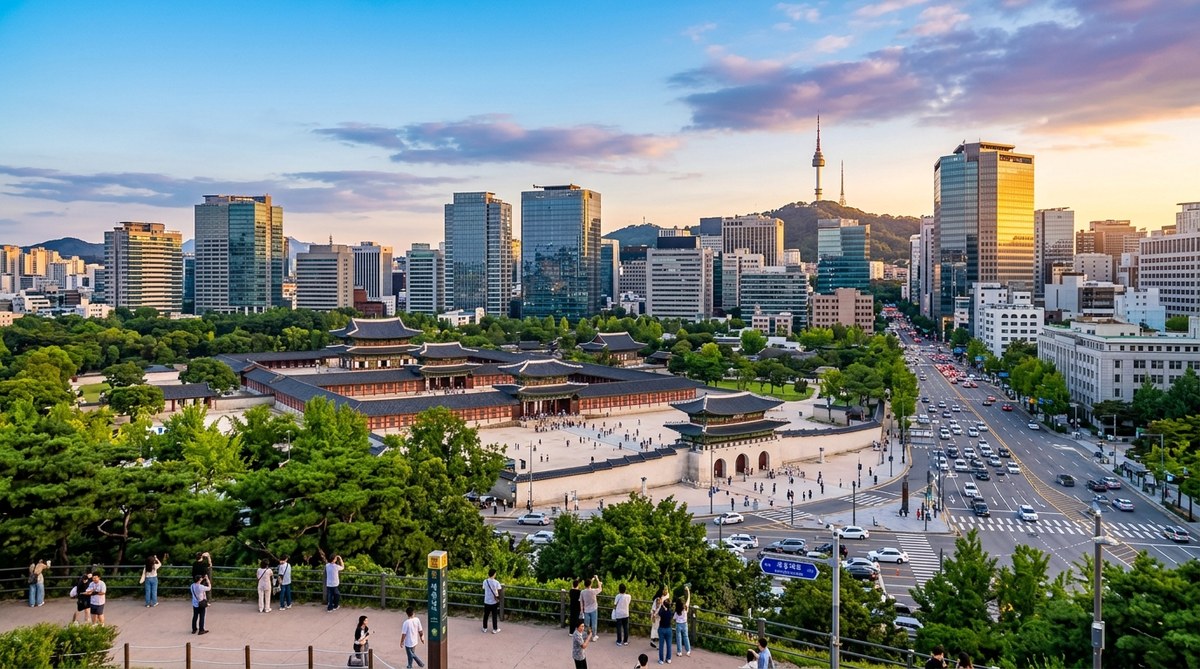
The Perfect 72-Hour Weekend in Tokyo: A Complete Itinerary — image 1

Wake up early for Tsukiji Outer Market. The famous tuna auctions moved to Toyosu, but the outer market still thrives with vendors selling kitchen tools, dried goods, and ready-to-eat seafood. Arrive by 7am for the freshest sushi breakfast. Multiple small restaurants serve omakase sets that cost a fraction of dinner prices.

Asakusa and Senso-ji Temple

Take the subway to Asakusa. Kaminarimon Gate, with its massive red lantern, marks the entrance to Nakamise Shopping Street. This 250-meter approach to Senso-ji Temple lines up souvenir shops, rice cracker vendors, and kimono rental stores.

Senso-ji itself dates to 628 AD, making it Tokyo’s oldest temple. The main hall impresses with its scale and detail. Arrive before 10am to appreciate it without shoulder-to-shoulder crowds. Draw an omikuji fortune for 100 yen.

Walk to the Sumida River for views of Tokyo Skytree. You can visit the tower’s observation decks, though the 2,000-3,000 yen admission adds up. The surrounding Solamachi shopping complex offers free entertainment and lunch options.

Gardens and Imperial Grounds

Head to the East Gardens of the Imperial Palace. These former castle grounds open to the public most days except Mondays and Fridays. The stone walls, moats, and carefully maintained landscapes show Japanese garden design principles. Free admission, peaceful walking paths, and historical significance make this worth two hours.

Timing note: The gardens close at 4pm November through February, 5pm March through mid-April and September through October, and 6pm mid-April through August.

Nearby Hibiya Park provides another green space option if you need a break from pavement. The park connects to Ginza in a 15-minute walk.

Evening in Ginza

Ginza represents Tokyo’s upscale shopping district. Window shop along Chuo-dori, closed to vehicles on weekend afternoons. The Apple Store, Uniqlo flagship, and international luxury brands create a different Tokyo vibe than yesterday’s neighborhoods.

For dinner, try a depachika (department store basement) food hall. Mitsukoshi or Matsuya offer prepared foods, sweets, and ingredients that double as dinner and a cultural experience. Grab items to go and picnic in a nearby park, or eat at the standing counters.

Alternatively, book a reservation at a traditional izakaya. These Japanese pubs serve small plates designed for sharing. Order edamame, karaage fried chicken, grilled fish, and whatever seasonal specials the menu lists.

Day Three: Markets, Museums, and Final Experiences

Your last morning should start at a neighborhood you haven’t visited. Shimokitazawa offers vintage shopping and indie coffee shops. Nakameguro has canal-side cafes and boutiques. Kichijoji provides access to Inokashira Park and the Ghibli Museum (requires advance tickets).

Museum Options

Tokyo’s museum scene deserves attention if you have specific interests:

  • teamLab Borderless or Planets: Digital art installations that photograph beautifully
  • Tokyo National Museum: Japanese art and archaeology in Ueno Park
  • Mori Art Museum: Contemporary art in Roppongi Hills
  • Nezu Museum: Traditional art with an exceptional garden

Most museums close Mondays and cost 1,000-2,400 yen for adults.

Shopping and Souvenirs

Your final afternoon should include souvenir shopping. Here’s what works and what doesn’t:

Item Type Good Buys Skip These
Food Kit Kats (unique flavors), rice crackers, matcha products Generic cookies with Tokyo labels
Traditional Tenugui cloths, ceramics from Kappabashi Mass-produced “kimono” items
Practical Stationery, skincare products, socks Cheap plastic toys
Unique Gashapon capsule toys, anime goods Overpriced “Japanese” electronics

Don Quijote (nicknamed Donki) sells everything at decent prices. The Shibuya location stays open 24 hours. Bring cash, as some vendors don’t accept cards.

Final Evening Recommendations

Choose your last dinner based on what you haven’t tried:

  1. Conveyor belt sushi: Casual, affordable, fun for trying varieties
  2. Tonkatsu: Breaded pork cutlet with shredded cabbage
  3. Ramen: Each shop specializes in different broth styles
  4. Tempura: Lightly battered vegetables and seafood
  5. Okonomiyaki: Savory pancakes cooked on your table

“Tokyo rewards curiosity more than planning. The best experiences often happen when you follow an interesting side street, smell something delicious, or notice locals lining up somewhere. Stay flexible with your afternoon schedule.” — Yuki Tanaka, Tokyo tour guide

Practical Information You Need

Getting Around

Buy a Suica or Pasmo card at any station. These rechargeable cards work on all trains, subways, buses, and many vending machines. Load 2,000-3,000 yen initially.

Google Maps works perfectly for Tokyo transit. It shows platform numbers, exit strategies, and accurate timing. Download offline maps as backup.

Transit costs: Most trips cost 170-320 yen. A day of sightseeing runs about 1,000-1,500 yen in fares.

Money Matters

Japan still runs on cash more than most developed countries. Withdraw yen from 7-Eleven ATMs, which accept international cards without drama. Carry 10,000-20,000 yen daily.

Many restaurants, small shops, and temples only take cash. Hotels and department stores accept cards reliably.

Common Mistakes to Avoid

  • Wearing shoes indoors: Remove shoes at temples, some restaurants, and traditional accommodations
  • Eating while walking: Considered rude; find a spot to stand or sit
  • Talking on trains: Keep phone conversations off public transit
  • Tipping: Never tip; it confuses or offends service staff
  • Rush hour trains: Avoid 7:30-9am and 5:30-7pm if possible

Accommodation Strategy

Stay in Shinjuku or Shibuya for central access to everything on this itinerary. Asakusa offers cheaper options but requires more transit time. Capsule hotels provide unique experiences for solo travelers comfortable with minimal space.

Book three months ahead for better rates and selection. Weekend prices jump significantly.

Packing Essentials

  • Comfortable walking shoes (you’ll log 15,000-20,000 steps daily)
  • Portable phone charger
  • Small bag for shoes (temples require removal)
  • Light layers (buildings overheat, streets stay cool)
  • Coin purse (vending machines and small purchases)

Making Your 72 Hours Count

Tokyo doesn’t reveal itself in three days. You’ll miss entire neighborhoods, skip famous attractions, and leave wanting more. That’s normal and expected.

This itinerary prioritizes variety over depth. You’ll see modern and traditional Tokyo, eat at different restaurant styles, use various transit methods, and visit multiple neighborhoods. Some travelers prefer camping in one area and really understanding it. Others want the highlight reel. This plan leans toward the latter while leaving room for spontaneous detours.

The city rewards repeat visitors. Your first trip teaches you how Tokyo works: the transit system, the unwritten social rules, the neighborhood personalities, the food ordering systems. Your second trip lets you actually enjoy it.

Take photos, but put your phone down regularly. Tokyo’s energy comes through best when you’re present for it. Watch the organized chaos of Shibuya Crossing. Smell the incense at Senso-ji. Hear the train station melodies. Taste the difference between convenience store onigiri and restaurant-made versions.

Three days gives you enough time to fall for Tokyo and start planning your return trip before you even leave.