You’ve ticked off the big attractions. Marina Bay Sands? Done. Gardens by the Bay? Seen it. Sentosa? Been there.
Now you’re ready for the Singapore that most visitors never see. The one where locals actually hang out. The neighborhoods with character, the trails without crowds, and the food spots that don’t need Instagram filters to impress.
Singapore’s hidden gems include heritage neighborhoods like Joo Chiat and Tiong Bahru, nature trails through MacRitchie Reservoir and Pulau Ubin, and authentic hawker centers in Chomp Chomp and Old Airport Road. These off the beaten path experiences reveal the city’s multicultural heritage, natural beauty, and local life that typical tourists miss. Plan visits during weekday mornings for fewer crowds and more genuine interactions with residents.
Wander Through Heritage Neighborhoods That Time Forgot
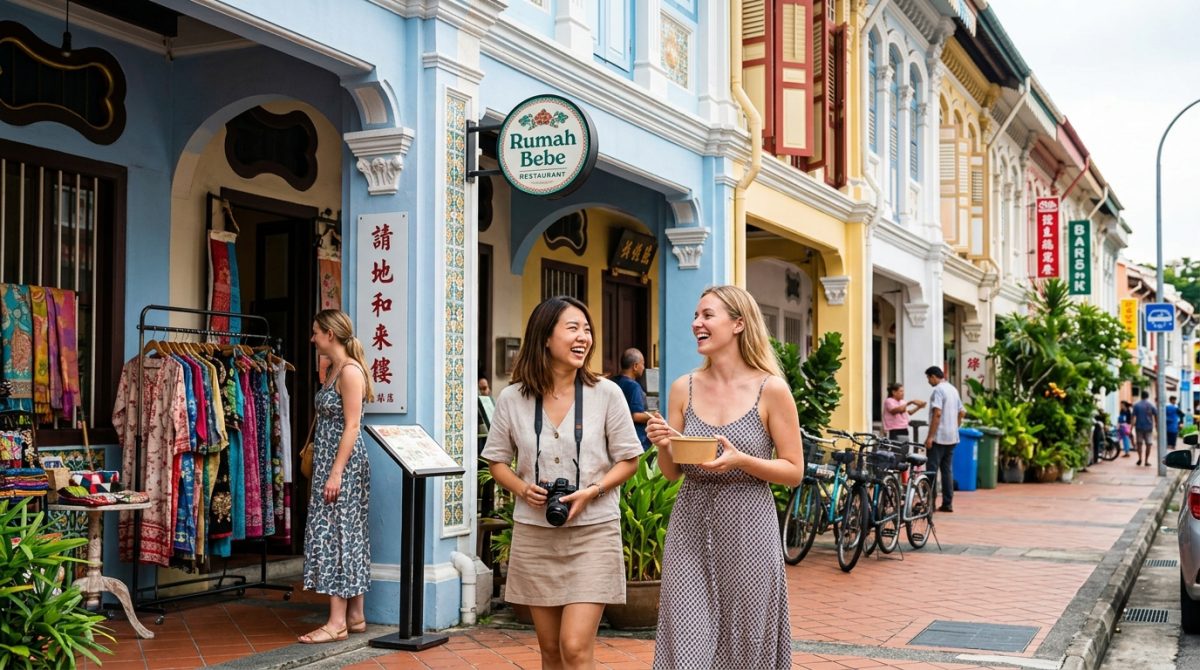
Joo Chiat stands out as one of Singapore’s most colorful secrets. This Peranakan enclave features rows of pastel shophouses, each one a different shade of mint, coral, or butter yellow.
Walk along Koon Seng Road during the golden hour. The light hits the ornate facades just right. You’ll spot intricate tiles, carved wooden shutters, and decorative air vents that tell stories of a unique culture born from Chinese and Malay traditions.
Stop by Kim Choo Kueh Chang for handmade rice dumplings. The owners have been wrapping them the traditional way for decades. Or grab a seat at Chye Seng Huat Hardware, a coffee roastery inside a restored 1950s hardware shop.
Tiong Bahru offers a different vibe entirely. This art deco neighborhood predates most of Singapore’s modern development. The curved balconies and rounded corners of these 1930s apartments create a distinctly retro atmosphere.
The Tiong Bahru Market draws locals every morning. Head upstairs to the hawker center for Jian Bo Shui Kueh, where they serve steamed rice cakes topped with preserved radish. Downstairs, browse the wet market where aunties haggle over fresh fish and produce.
Books Actually, an independent bookstore tucked on Yong Siak Street, stocks literary fiction and local authors you won’t find in airport shops. The staff actually read the books and can recommend hidden gems.
Find Nature in Unexpected Places
MacRitchie Reservoir offers serious trails without leaving the city. The TreeTop Walk suspension bridge hangs 25 meters above the forest floor, connecting two of the highest points in the reserve.
Arrive before 8am on weekdays. You’ll have the trails mostly to yourself. Monkeys roam freely here, so keep food tucked away. The main loop takes about three hours at a comfortable pace.
Bring proper shoes. The trails get muddy after rain, and roots cross the path frequently. Water and mosquito repellent are non-negotiable.
Pulau Ubin feels like stepping back 50 years. This island off Singapore’s northeast coast has stayed largely undeveloped. Wooden houses on stilts, wild boars crossing dirt roads, and jungle that grows right up to the shoreline.
Rent a bike at the jetty. The island is too large to cover on foot, and cycling lets you stop wherever catches your eye. Chek Jawa Wetlands at the eastern tip showcases six different ecosystems in one area.
Pack your own food and water. The few shops on the island keep irregular hours and limited stock. The last ferry back leaves around 7pm, so plan accordingly.
Southern Ridges connects several parks through elevated walkways and forest paths. Henderson Waves, a 36-meter-high bridge with a wavelike structure, offers views over the canopy without the crowds of Marina Bay.
Start at Mount Faber and work your way to HortPark. The entire route spans about 10 kilometers but you can join or leave at multiple points. Early morning or late afternoon works best for comfortable temperatures.
Eat Where Locals Actually Eat
Chomp Chomp Food Centre in Serangoon Gardens operates mainly at night. This open-air hawker center fills up with families and neighborhood regulars after dark.
The BBQ Seafood stall grills sambal stingray over charcoal. The char siew here tastes different from tourist area versions because they use a family recipe passed down three generations. Satay stalls set up along one side, fanning smoke across the entire center.
Seating gets competitive after 7pm. Arrive earlier or be prepared to hover near finishing diners. Cash only at most stalls.
Old Airport Road Food Centre sits near Dakota MRT. This place serves breakfast crowds that would make any tourist spot jealous, but somehow stays under the radar.
Try the fried hokkien mee at Nam Sing. They’ve held a Michelin Bib Gourmand for years but still charge less than a fancy coffee. The popiah stall wraps fresh spring rolls to order, letting you watch the assembly process.
The nasi lemak at Changi Village Hawker Centre deserves the trip to the eastern edge of the island. Served on pandan leaves with sambal that actually brings heat, this version reminds you why the dish became a national staple.
After eating, walk to Changi Point Coastal Walk. The boardwalk stretches along the shore with views toward Malaysia and passing ships.
Discover Museums That Skip the Tourist Circuit
The Intan houses a private Peranakan museum inside someone’s actual home. Alvin Yapp opens his terrace house to visitors by appointment, sharing his family’s collection of antiques, clothing, and ceremonial items.
He tells stories that textbooks miss. The beaded slippers took months to make. The wedding jewelry followed strict symbolic rules. You’ll learn more in two hours here than in a week of reading.
Book ahead through their website. Groups stay small, usually under 10 people. The personal nature of the tour makes it feel like visiting a knowledgeable relative rather than attending a formal museum.
Changi Chapel and Museum focuses on World War II internment camps. The replica chapel and personal accounts from prisoners create a sobering counterpoint to Singapore’s modern prosperity.
The museum recently underwent major renovations. New galleries display letters, drawings, and objects that internees created or preserved during captivity. Allow at least two hours to properly absorb the exhibits.
Gillman Barracks converted former military buildings into contemporary art galleries. Multiple independent galleries operate here, showcasing Southeast Asian artists and experimental works.
Admission to most galleries is free. NTU Centre for Contemporary Art often runs thought-provoking exhibitions that challenge conventional formats. The relaxed pace and smaller crowds make for genuine art appreciation.
Experience Authentic Cultural Pockets
Little India extends beyond the main Serangoon Road strip. Venture into the side streets around Race Course Road and Dunlop Street.
The flower garland makers on Campbell Lane work from early morning, stringing jasmine and marigolds into intricate patterns. Sari shops display fabrics in every color imaginable. The scent of incense, spices, and fresh flowers creates a sensory overload in the best way.
Sri Veeramakaliamman Temple welcomes respectful visitors. Remove shoes before entering. The detailed sculptures covering every surface depict Hindu deities and mythological scenes. Visit during puja ceremonies for the full experience of chanting, bells, and offerings.
Kampong Glam reveals more when you look past Arab Street’s tourist shops. Bussorah Street leads to Sultan Mosque, but the real character hides in the surrounding blocks.
Haji Lane gets photographed constantly, but Baghdad Street and Aliwal Street maintain more authentic vibes. Traditional textile shops sell batik by the meter. Malay restaurants serve dishes you won’t find in food courts.
The Malay Heritage Centre occupies the former Sultan’s palace. Exhibits cover everything from traditional weddings to the spice trade. The building itself, with its yellow walls and green trim, exemplifies Malay architectural style.
Navigate Like a Local
Here’s how to move through Singapore’s hidden spots without looking lost:
- Download the MyTransport app for real-time bus and MRT updates
- Get an EZ-Link card instead of buying single tickets
- Use neighborhood bus services that connect residential areas to MRT stations
- Walk between nearby MRT stops to discover streets you’d otherwise miss
- Check opening hours before visiting smaller museums and shops
- Bring cash for hawker centers and traditional shops
- Ask stall owners for recommendations on what to order
Timing Your Off the Beaten Path Adventures
When you visit matters as much as where you go. This table breaks down the best times for different experiences:
| Experience Type | Best Time | Why It Matters | Common Mistake |
|---|---|---|---|
| Heritage neighborhoods | Weekday mornings | Shops open, fewer crowds | Weekend afternoons get packed |
| Nature trails | Before 8am or after 4pm | Cooler temperatures, better wildlife | Midday heat exhausts quickly |
| Hawker centers | Off-peak hours (10am or 3pm) | Easy seating, fresh cooking | Lunch and dinner rushes mean long waits |
| Museums | Weekday afternoons | Quiet galleries, staff availability | Weekends bring school groups |
| Cultural districts | Early evening | Temples active, shops open, good light | Mornings miss the atmosphere |
Smart Strategies for Authentic Experiences
Making the most of Singapore’s hidden gems requires a different approach than hitting major attractions.
Start conversations. Hawker stall owners, shop keepers, and long-time residents often share recommendations that no guidebook includes. Ask what they’d suggest for someone who’s already seen the usual spots.
Follow the crowds of locals. When a hawker center fills with office workers at lunch or families at dinner, that’s your signal. Tourist spots have tourist crowds. Local spots have local crowds.
Respect residential areas. These neighborhoods are people’s homes, not theme parks. Keep voices down, don’t block driveways for photos, and ask before photographing people.
“The best Singapore experiences happen when you stop trying to tick boxes and start paying attention to what’s actually around you. That coffee shop with the elderly uncles playing chess. The temple with the elaborate morning rituals. The park where families gather on weekends. That’s where the real city lives.” – Long-time Singapore resident and cultural guide
Use public transport like residents do. Buses often serve areas that MRT lines miss. The 851 from Yishun to Sembawang takes you through old kampong areas. The 143 connects East Coast Park to Orchard through residential neighborhoods.
Time visits around local schedules. Markets buzz in the morning. Temples see most activity during evening prayers. Food centers peak during meal times. Align your schedule with the rhythm of neighborhood life.
Hidden Gems by Interest
Different travelers want different experiences. Here’s how to match your interests with off the beaten path options:
For architecture lovers:
– Emerald Hill Road’s Peranakan terraces
– Golden Mile Complex’s brutalist design
– Everton Road’s art deco shophouses
– Thian Hock Keng Temple’s traditional Chinese architecture
For nature enthusiasts:
– Sungei Buloh Wetland Reserve for bird watching
– Labrador Nature Reserve’s coastal forest
– Bukit Timah Nature Reserve’s primary rainforest
– Coney Island’s wild beaches
For food adventurers:
– Geylang Serai Market for Malay specialties
– Tekka Centre for South Indian cuisine
– Tiong Bahru Market for traditional breakfast
– Beach Road Army Market for local snacks
For culture seekers:
– Thian Hock Keng Temple’s intricate details
– Malay Heritage Centre’s historical exhibits
– Sun Yat Sen Nanyang Memorial Hall’s revolutionary history
– Johore Bahru Old Chinese Temple across the border
Practical Tips That Actually Help
Cash still rules in traditional areas. Many hawker stalls, small shops, and older establishments don’t accept cards. ATMs are common but bring enough to avoid multiple withdrawal fees.
Dress codes matter at religious sites. Shoulders and knees should be covered. Some temples provide sarongs if needed. Remove shoes before entering.
Weather changes fast. Afternoon thunderstorms appear without warning. Carry a compact umbrella or rain jacket. The rain cools things down but can disrupt outdoor plans.
Language rarely poses problems. Most Singaporeans speak English, though older generations might prefer Mandarin, Malay, or Tamil. Basic politeness works everywhere.
Public restrooms maintain high standards even in older areas. Hawker centers, parks, and MRT stations all have facilities. Some charge a small fee.
Making the Most of Your Return Visit
You’ve seen the postcard version of Singapore. Now you get to see the version that residents know.
These neighborhoods, trails, and food centers don’t appear on most tourist itineraries. That’s exactly what makes them worth your time. No crowds jostling for the same photo angle. No overpriced tourist menus. Just authentic slices of a city that manages to preserve its heritage while racing toward the future.
Pick a neighborhood that matches your interests. Spend a morning or afternoon there. Walk slowly. Notice details. Talk to people. Eat at places where you can’t read the menu.
That’s when Singapore stops being a destination you visit and becomes a place you actually know.