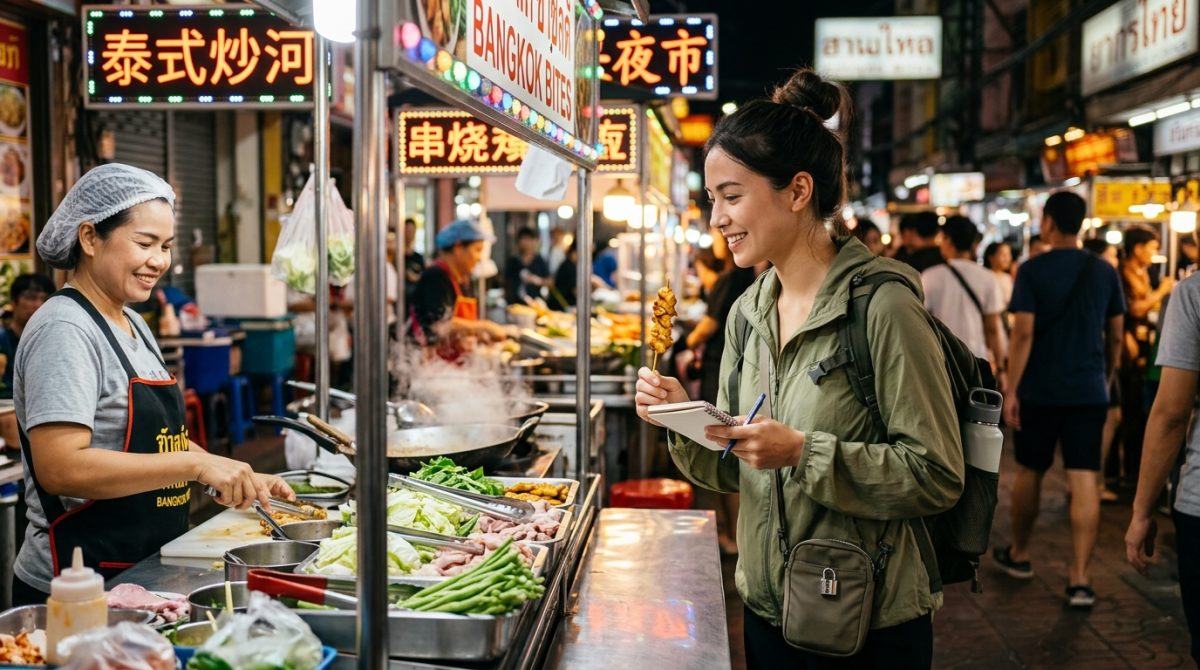
Street food represents one of the most authentic ways to experience a destination’s culture. The sizzle of fresh ingredients on a hot grill, the aromatic spices wafting through busy markets, and the chance to eat what locals actually eat creates memories that last far longer than any museum visit. But getting sick from contaminated food can turn your dream trip into a nightmare of hotel bathrooms and lost vacation days.
Safe street food enjoyment requires choosing busy vendors with visible cooking processes, avoiding raw ingredients and tap water, watching food preparation, eating freshly cooked hot items, and trusting your instincts about cleanliness. These practices dramatically reduce foodborne illness risk while letting you experience authentic local cuisine during international travel.
Why street food makes travelers sick
Foodborne illness happens when bacteria, viruses, or parasites contaminate what you eat or drink. Your immune system at home has adapted to local microbes. Travel exposes you to unfamiliar strains your body hasn’t encountered.
Street vendors often lack refrigeration, running water, and proper sanitation facilities. Food sits at unsafe temperatures. Hands go unwashed between handling money and preparing meals. Cross contamination spreads pathogens from raw to cooked ingredients.
Water quality causes most travel sickness. Ice cubes, rinsed produce, and drinks mixed with tap water introduce bacteria even when the food itself was cooked safely. Your stomach can handle a lot, but certain pathogens will make anyone sick regardless of how “tough” your digestive system is.
The good news? Most street food vendors serve safe, delicious meals. You just need to know what to look for.
Choosing the right vendor
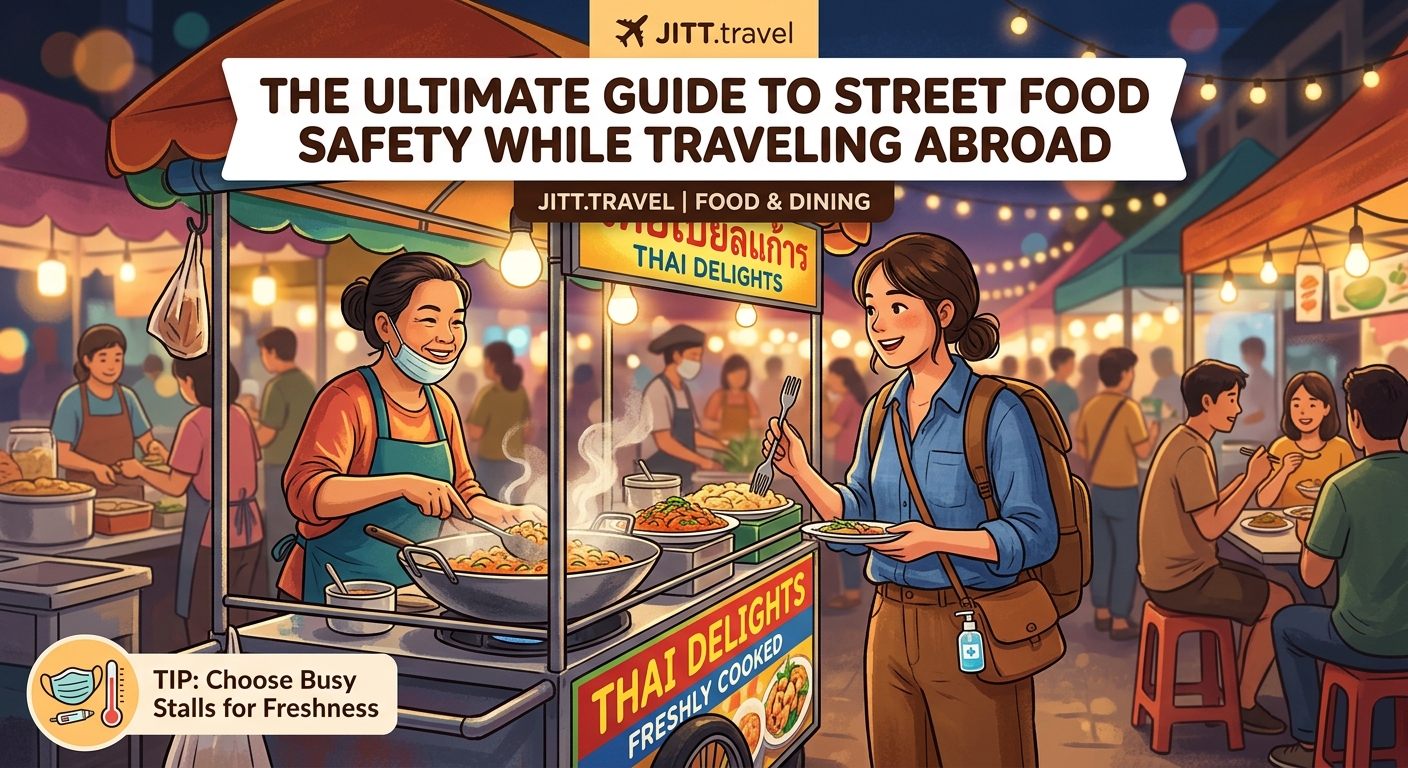
Busy stalls indicate locals trust the food. A line of customers means high turnover, so ingredients stay fresh and food doesn’t sit around growing bacteria. Empty stalls suggest either bad food or bad luck, neither of which you want.
Watch where local families eat. Parents don’t risk making their children sick. Office workers on lunch breaks choose vendors they’ve tested repeatedly. Follow their lead rather than wandering into tourist traps near major attractions.
Observe the cooking process before ordering. Can you see the grill, wok, or fryer? Visible food preparation lets you verify proper cooking temperatures and hygiene practices. Vendors who hide their kitchen might be hiding problems.
Look for these positive signs:
- Food cooked to order in front of you
- Clean workspace and utensils
- Vendor wearing clean clothes
- Hand washing or glove use between tasks
- Ingredients stored in covered containers
- No flies or pests around food
- Smoke or steam rising from cooking surfaces
Avoid vendors who display these red flags:
- Pre-cooked food sitting at room temperature
- Raw and cooked items touching
- Dirty hands handling food directly
- Uncovered ingredients exposed to air
- Flies landing on food or surfaces
- Strong unpleasant odors
- Visibly dirty cooking equipment
Temperature matters most
Heat kills most foodborne pathogens. Street food cooked at high temperatures right before serving poses minimal risk. Fried, grilled, and boiled items reach internal temperatures that destroy bacteria and parasites.
Order food that’s literally steaming hot when it reaches your hands. If you can’t hold it comfortably because it’s too hot, that’s actually perfect. Let it cool naturally rather than requesting lukewarm food.
Avoid these higher risk items:
- Salads and raw vegetables
- Pre-cut fruit (unless you watch them cut it)
- Dishes with raw or undercooked eggs
- Rare or medium cooked meat
- Seafood that smells fishy
- Dairy products without refrigeration
- Food that’s been sitting out
Stick with these safer choices:
- Grilled meats cooked thoroughly
- Fried foods made to order
- Steamed dumplings and buns
- Soups and stews kept boiling
- Whole fruits you peel yourself
- Bread and baked goods
- Rice and noodle dishes served hot
The water rule
Contaminated water causes more traveler illness than food. Brush your teeth with bottled water. Keep your mouth closed in the shower. Avoid ice unless you’re certain it came from purified water.
Street food intersects with water safety in several ways. Vendors rinse dishes, wash produce, and add ice to drinks. Ask for beverages without ice. Choose hot tea or coffee over cold drinks. Sealed bottles and cans are safest.
Fruits and vegetables washed in tap water can make you sick even if you don’t drink directly from the tap. Leafy greens and herbs are particularly risky because their texture traps water. Tomatoes, cucumbers, and other produce eaten raw with skin on can harbor pathogens.
Peel your own fruit when possible. Bananas, oranges, and mangoes have natural protective barriers. Just don’t let the knife that cuts through the skin touch the flesh you’ll eat if the exterior was washed in tap water.
Timing your meals strategically
Eat during peak hours when turnover is highest. Lunch and dinner rushes mean fresher ingredients and food that hasn’t been sitting. Mid-afternoon and late night carry higher risks because food may have been prepared hours earlier.
Your body’s defenses are stronger at certain times. Eat your adventurous street food meals earlier in your trip after you’ve had a day to adjust but before accumulated exposure weakens your system. Save the last few days for safer restaurant meals.
Start with cooked street food before trying raw items. Let your digestive system adapt gradually. One new food type per meal helps you identify what caused problems if you do get sick.
Essential safety practices
Follow this process every time you eat street food:
- Observe the vendor for several minutes before ordering
- Watch them prepare at least one order for another customer
- Verify your food is cooked fresh, not reheated
- Check that it’s served steaming hot
- Eat immediately while the temperature is still high
- Use hand sanitizer before and after eating
Carry alcohol-based hand sanitizer everywhere. Street food rarely comes with utensils or napkins. Your hands will touch food directly. Clean hands before eating prevents transferring pathogens from surfaces you’ve touched.
Bring your own utensils if you’re particularly cautious. A small fork and spoon in your bag means you don’t have to trust vendor dishwashing practices. Chopsticks are easy to carry and work for many cuisines.
Watch the vendor’s hands. Do they handle money then touch food without washing? Do they use the same utensil for raw and cooked items? These practices spread contamination. Walk away if you see concerning behavior.
Reading your body’s signals
Your instincts about cleanliness are usually correct. If something looks or smells wrong, don’t eat it. No street food experience is worth days of illness.
Trust your nose. Fresh food smells appealing. Spoiled ingredients smell sour, rotten, or chemical. Meat should never smell like ammonia. Fish should smell like the ocean, not like fish.
Visual inspection catches problems. Look for mold, discoloration, or sliminess. Check that meat is cooked throughout with no pink centers. Verify vegetables aren’t wilted or brown.
Stop eating if something tastes off. An unusual bitterness, sourness, or chemical flavor indicates spoilage. Spit it out and rinse your mouth. Don’t force yourself to finish out of politeness.
Common mistakes travelers make
| Mistake | Why It’s Risky | Better Approach |
|---|---|---|
| Eating at tourist area vendors | Higher prices, lower quality, less local oversight | Walk a few blocks to where locals eat |
| Ordering salads to “eat healthy” | Raw vegetables washed in tap water | Choose cooked vegetable dishes instead |
| Accepting ice in drinks | Made from contaminated water | Request no ice or choose hot beverages |
| Trying everything at once | Can’t identify what made you sick | Add one new food type per meal |
| Eating reheated food | Bacteria multiply during storage | Only eat food cooked fresh to order |
| Ignoring hand hygiene | Transfer pathogens from surfaces | Use sanitizer before every meal |
What to pack for safer eating
Bring these items to reduce your risk:
- Alcohol-based hand sanitizer (at least 60% alcohol)
- Antibacterial wipes for surfaces
- Personal utensils in a clean case
- Water purification tablets as backup
- Antidiarrheal medication
- Oral rehydration salts
- Probiotic supplements
- Small roll of toilet paper
Probiotics may help maintain gut health during travel. Start taking them a week before your trip. Continue throughout your journey. Research on their effectiveness is mixed, but many travelers swear by them.
Oral rehydration salts treat dehydration from diarrhea and vomiting. They’re more effective than water alone because they replace electrolytes. Buy them before you travel since you’ll want them immediately if you get sick.
Regional considerations
Different destinations present unique challenges. Southeast Asian street food is generally safe in busy urban areas but riskier in rural regions. Latin American street food varies widely by country and city. African and Middle Eastern vendors often have excellent food safety in established markets.
Research your specific destination. Online travel forums reveal which cities have reliable street food scenes and which require extra caution. Recent traveler experiences are more valuable than guidebooks published years ago.
Altitude affects cooking temperatures. Water boils at lower temperatures in high elevation cities. Food may not reach pathogen killing temperatures even when it appears fully cooked. Be extra selective in places like La Paz, Cusco, or Addis Ababa.
Monsoon and rainy seasons increase contamination risks. Flooding compromises water systems. Humidity accelerates food spoilage. Extra caution during wet months prevents illness.
Building tolerance gradually
Your digestive system can adapt to new microbes over time. Long term travelers often develop stronger resistance than people on short trips. This doesn’t mean you’re immune, just that your body recognizes and fights certain pathogens more effectively.
Start conservatively on day one. Eat at established restaurants. Add street food gradually as your trip progresses. This staged approach lets your immune system adjust without overwhelming it.
Some travelers take a small probiotic dose of local yogurt early in their trip. The theory is that beneficial bacteria from local sources help your gut adapt. Scientific evidence is limited, but it probably doesn’t hurt if the yogurt is from a reliable source.
“I’ve eaten street food on six continents over twenty years of travel. My rule is simple: if I can watch it cook and it’s too hot to hold comfortably, I eat it. If I can’t see the cooking process or it’s lukewarm, I walk away. This approach has kept me healthy in dozens of countries.” — Maria Chen, travel health consultant
When things go wrong
Despite precautions, you might still get sick. Most foodborne illness resolves within 24 to 48 hours. Stay hydrated with bottled water or oral rehydration solutions. Rest and let your body fight the infection.
Seek medical care if you experience:
- Blood in stool or vomit
- Fever above 101.5°F (38.6°C)
- Severe abdominal pain
- Signs of dehydration (dark urine, dizziness, rapid heartbeat)
- Symptoms lasting more than three days
- Inability to keep fluids down
Travel insurance that covers medical care is essential. Know where the nearest clinic or hospital is located. Keep your insurance information and passport copies accessible.
Document what you ate in the 24 hours before symptoms started. This helps doctors identify the likely pathogen and choose appropriate treatment. Photos of food and vendor locations can be helpful.
Making smart choices without missing out
Street food safety doesn’t mean avoiding street food entirely. The goal is informed risk management, not paranoid avoidance. Some of the world’s best food comes from street vendors who’ve perfected their craft over decades.
Balance safety with experience. Choose one or two street food meals per day and eat at restaurants for others. This approach lets you enjoy local cuisine while reducing cumulative exposure.
Learn basic food vocabulary in the local language. Knowing how to ask “Is this cooked?” or “No ice, please” helps you communicate safety preferences. Vendors appreciate the effort and often provide better service.
Connect with other travelers or locals for vendor recommendations. Hostel staff, tour guides, and expat bloggers know which stalls are safe. Their tested suggestions save you from trial and error.
Your street food adventure awaits
Armed with these strategies, you can confidently enjoy street food around the world. The vendors who feed their communities daily want satisfied customers, not sick tourists. They take pride in their cooking and appreciate travelers who show interest in their cuisine.
Start with the safest options and expand your comfort zone as you gain confidence. Each successful street food experience builds your knowledge and helps you make better choices. The memories you create eating alongside locals in bustling markets will become highlights of your travels, made even better by staying healthy enough to fully enjoy every moment.