
How to Find Budget-Friendly Hotels in Europe’s Most Expensive Cities

You’re staring at hotel prices in Paris and wondering if you accidentally clicked on luxury yacht rentals instead. Nope, that’s just what a basic room costs in Europe’s most expensive cities. But here…

You’re staring at hotel prices in Paris and wondering if you accidentally clicked on luxury yacht rentals instead. Nope, that’s just what a basic room costs in Europe’s most expensive cities. But here’s the thing: paying less for accommodation doesn’t mean you have to stay in a sketchy neighborhood or sacrifice your entire trip experience.

Key Takeaway

Finding cheap hotels in expensive European cities requires strategic timing, location flexibility, and knowing where budget travelers actually stay. Book shoulder season dates, target neighborhoods one metro stop beyond tourist zones, and use local hotel chains instead of international brands. You’ll save 40-60% compared to peak season central locations while still enjoying authentic city experiences and easy transport access.

Why European Hotel Prices Are Actually Negotiable

Hotels in cities like London, Paris, and Zurich follow predictable pricing patterns that most travelers ignore. Rates fluctuate based on day of week, season, local events, and even how far in advance you book.

A Tuesday night in November costs dramatically less than a Saturday in June. The exact same room.

Understanding these patterns means you can stay in genuinely nice hotels for the price most people pay for hostels. The secret isn’t finding hidden discount codes or sketchy booking sites. It’s about knowing when and where to look.

The Neighborhood Strategy That Saves You Money
How to Find Budget-Friendly Hotels in Europe's Most Expensive Cities — image 1

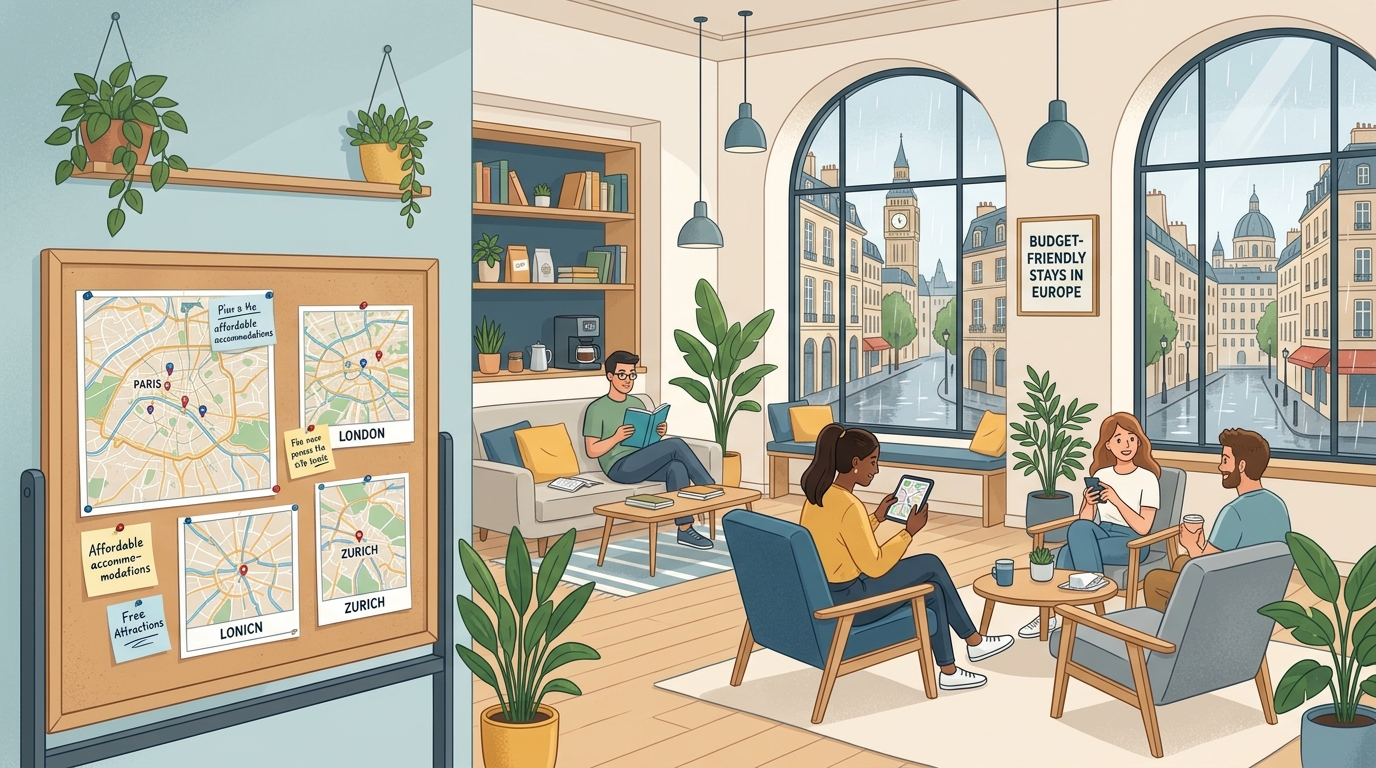
Central locations command premium prices everywhere. But European cities have excellent public transport that makes “central” a flexible concept.

In London, staying in Zone 2 instead of Zone 1 can cut your hotel bill in half. You’re still 15 minutes from major attractions by tube. Areas like Bethnal Green, Clapham, or Hammersmith offer proper hotels at hostel prices.

Paris works the same way. The 10th, 11th, and 20th arrondissements have authentic Parisian neighborhoods with metro access to everything. You’ll pay 60 euros for rooms that cost 180 in the Marais.

Zurich’s Wiedikon and Altstetten districts sit just outside the expensive center. Trams run every few minutes. You save 100+ Swiss francs per night.

The pattern holds across expensive European cities:

  • Look for neighborhoods one stop beyond where tourists cluster
  • Check that metro or tram lines run frequently (every 10 minutes or better)
  • Read recent reviews from actual travelers, not promotional descriptions
  • Verify the area feels safe for evening walks back from dinner

Timing Your Booking Like a Local

European hotel pricing follows seasonal waves that create massive savings opportunities.

Shoulder season (April to May, September to October) offers the sweet spot. Weather stays pleasant, attractions remain open, but prices drop 30-50% from summer peaks.

Winter brings even deeper discounts, except around Christmas markets and New Year. A February visit to Copenhagen or Stockholm costs half what August does.

Booking windows matter too. For expensive cities, the best rates appear either very early (4-6 months out) or very late (within 2 weeks). The middle ground from 1-3 months out tends to be priciest as hotels hold out for business travelers.

Here’s the booking timeline that works:

  1. Set price alerts on hotel comparison sites for your target dates
  2. Check rates at the 6-month mark and book if prices look good
  3. Keep monitoring even after booking (many hotels allow free cancellation)
  4. If you haven’t booked by 3 weeks out, wait for last-minute deals
  5. Compare rates on the hotel’s direct website versus booking platforms

Hotel Types That Offer Real Value
How to Find Budget-Friendly Hotels in Europe's Most Expensive Cities — image 2

Not all budget accommodation is created equal. Some hotel categories consistently deliver better value in expensive European cities.

Local Chain Hotels

Ibis, Premier Inn, NH Hotels, and Motel One operate across Europe with standardized quality at reasonable prices. They’re boring but reliable. Clean rooms, decent beds, good locations.

An Ibis in central Paris costs what a sketchy independent hotel charges. But you know exactly what you’re getting.

Aparthotels

Citadines, Adagio, and similar aparthotel chains offer kitchenettes that let you save on meals. Breakfast and lunch from local markets costs a fraction of restaurant prices.

In Zurich, where a basic lunch runs 25 francs, making your own saves serious money over a week.

Business Hotels on Weekends

Hotels catering to business travelers in financial districts drop rates dramatically Friday through Sunday. London’s Canary Wharf, Frankfurt’s Bankenviertel, and Paris’s La Défense all follow this pattern.

You get four-star quality at two-star weekend prices.

The Comparison Shopping Method That Actually Works

Checking one booking site and calling it done leaves money on the table. Hotel rates vary wildly across platforms.

Start with metasearch engines that scan multiple sites simultaneously. Then check the hotel’s direct website. Sometimes they match the lowest rate and throw in perks like breakfast or late checkout.

Booking Strategy Potential Savings Best For
Direct hotel website 5-15% plus perks When you’ve found your target hotel
Metasearch comparison 10-25% Initial research phase
Last-minute apps 20-40% Flexible travelers within 2 weeks
Loyalty programs 10-20% plus points Frequent travelers to same city
Package deals 15-30% When you need flights too

Pay attention to what’s included. A hotel charging 10 euros more but including breakfast saves money if breakfast would cost 15 euros nearby.

Red Flags to Watch For

Cheap hotels in expensive cities sometimes hide problems in their listings. Knowing what to watch for prevents disappointing surprises.

Room size matters more in Europe than North America. A “double room” might be 12 square meters. That’s tiny. Check square footage in the listing or reviews.

Bathroom situations vary. “Private bathroom” might mean down the hall, not ensuite. “Shared facilities” means exactly that. Read carefully.

Neighborhood safety deserves research beyond the hotel’s marketing. Check recent reviews mentioning the area at night. Look at the street on Google Maps street view.

These phrases in reviews signal potential issues:

  • “Cozy” often means very small
  • “Up and coming neighborhood” might mean sketchy now
  • “Budget-friendly” sometimes hides maintenance problems
  • “Authentic local experience” could mean far from attractions
  • “No frills” may lack basics like decent wifi or climate control

Making Budget Hotels Work Better

Even cheap hotels become more comfortable with a few strategies.

Request upper floors to reduce street noise. European cities are loud, especially in budget neighborhoods near nightlife.

Bring a power strip. Older budget hotels have limited outlets in awkward locations.

Pack earplugs and a sleep mask. Thin walls and early morning street cleaning are common in older buildings.

Check the hotel’s cancellation policy before booking. Free cancellation lets you keep shopping for better deals.

The best budget hotel strategy is treating your room as just a place to sleep. You’re in an amazing European city. Spend your time and money on experiences, not fancy hotel amenities you won’t use.

Cities Where Budget Hotels Actually Exist

Some expensive European cities offer better budget options than others.

Berlin and Lisbon still have affordable accommodation despite rising prices. You can find clean, central hotels under 80 euros even in summer.

London has budget chains everywhere. Premier Inn, Travelodge, and easyHotel blanket the city with predictable quality.

Paris budget hotels cluster in certain arrondissements. The 10th, 11th, 18th, and 20th have options if you’re selective.

Zurich and Geneva are tough. Switzerland’s high costs affect everything. But Airbnb alternatives and aparthotels help stretch budgets.

Copenhagen and Stockholm require serious planning. Book far in advance or visit in winter for reasonable rates.

The Loyalty Program Shortcut

Hotel loyalty programs sound corporate and boring. But they’re free money if you’re visiting the same city multiple times.

Accor (Ibis, Novotel, Mercure) has properties across Europe. Their free loyalty program offers member rates and occasional bonus point promotions.

IHG (Holiday Inn, Crowne Plaza) runs solid midrange hotels in major cities. Points accumulate faster than fancier programs.

Marriott Bonvoy covers everything from budget Moxy hotels to luxury properties. The variety helps in different cities.

Even staying twice a year in the same chain adds up to free nights. In expensive cities, that’s real value.

Alternative Accommodation Worth Considering

Hotels aren’t the only option. Some alternatives work brilliantly for budget travelers in expensive cities.

University dorms rent rooms during summer break. Basic but cheap, often in great locations. Check LSE Residences in London or Cité Universitaire in Paris.

Hostels aren’t just for 20-year-olds anymore. Many offer private rooms with ensuite bathrooms at prices below budget hotels. Generator Hostels and Safestay run quality properties across Europe.

Apartment rentals through local platforms (not just the big names) sometimes cost less than hotels for stays over 3 nights. You get a kitchen and more space.

House sitting and home exchange programs work for longer stays. You watch someone’s place, they watch yours, everyone saves on accommodation.

Seasonal Patterns in Major Cities

Each expensive European city has unique seasonal pricing.

London peaks during summer and around major events (Wimbledon, fashion weeks, royal occasions). January and February offer the best deals.

Paris gets expensive during fashion weeks (February, March, June, September), summer, and Christmas. November and early December are bargains.

Zurich costs most during winter sports season (December to March) and summer. April, May, and November see lower rates.

Amsterdam peaks ridiculously high during tulip season (April to May) and summer. Winter offers half-price hotels.

Rome, while not northern Europe, follows Mediterranean patterns. Avoid August when locals leave but hotels stay expensive. November through March (except Christmas) brings deals.

Booking Platforms That Deliver

Different platforms excel at different things.

Booking.com has the widest selection and decent filters. Their Genius loyalty program offers 10-15% discounts at participating hotels.

Hotels.com gives a free night after 10 stays. Simple math makes this worthwhile for frequent travelers.

HotelTonight specializes in last-minute deals. The app shows same-day and next-few-days inventory at reduced rates.

Direct hotel websites sometimes match the lowest rate and add perks. Always check before finalizing a booking platform reservation.

Google Hotels aggregates well and shows prices across dates, making it easy to spot cheaper days.

What Actually Matters in a Budget Hotel

Prioritize these features when comparing cheap hotels in expensive European cities:

  • Location near reliable public transport
  • Recent positive reviews mentioning cleanliness
  • Ensuite bathroom (unless you’re truly on a shoestring)
  • Working wifi (essential for maps and translation)
  • Safe neighborhood for evening returns
  • Breakfast included (saves time and money)

These features sound nice but aren’t worth paying extra for at budget properties:

  • Gym or pool (you won’t use them)
  • Room service (just eat out)
  • Fancy lobby (you’re barely there)
  • Minibar (overpriced everywhere)
  • Concierge (Google works fine)

Your Money Goes Further Than You Think

Finding cheap hotels in expensive European cities isn’t about sacrificing your trip quality. It’s about spending wisely on what matters.

That extra 100 euros per night you save on accommodation? That’s museum tickets, amazing meals, day trips, or an extra city on your itinerary. Stay in a clean, safe, well-located budget hotel and spend your money on experiences instead of thread count.

The travelers having the best time in Europe aren’t always staying in the fanciest hotels. They’re the ones who figured out how to stretch their budget to stay longer, see more, and actually experience the cities they’re visiting.
Tipping Customs Explained: How Much to Tip at Restaurants in Different Countries

You’re standing at a restaurant in Tokyo, holding cash, wondering if you should leave a tip. The server looks confused, maybe even offended. Or you’re in New York, and the waiter seems upset with your…

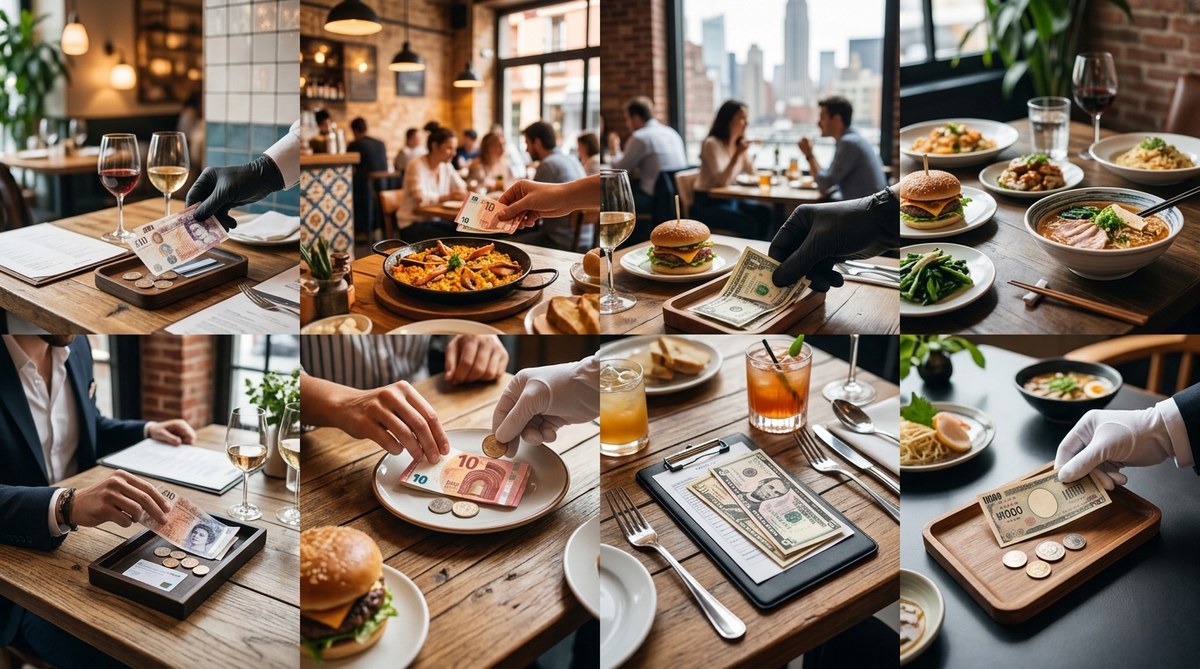
You’re standing at a restaurant in Tokyo, holding cash, wondering if you should leave a tip. The server looks confused, maybe even offended. Or you’re in New York, and the waiter seems upset with your 10% gratuity. Tipping customs vary wildly across the globe, and what’s polite in one country can be insulting in another.

Key Takeaway

[Tipping practices](https://en.wikipedia.org/wiki/Gratuity) differ dramatically worldwide. Some countries expect 20% gratuity, others include service charges automatically, and many consider tips unnecessary or rude. Understanding local customs prevents awkward situations and ensures you show appreciation appropriately. This guide covers tipping etiquette across 30+ countries, including restaurants, cafes, bars, and delivery services, so you can travel confidently.

Countries Where Tipping Is Expected

United States and Canada

North America has the strongest tipping culture globally. Servers often earn below minimum wage, relying on tips to make a living wage.

In the United States, 15-20% is standard for table service. Many locals now tip 20% as the baseline for good service. For exceptional service, 25% shows real appreciation. Bad service might warrant 10-15%, but anything less signals serious problems.

Canada follows similar patterns. Expect to tip 15-20% at restaurants. In Toronto and Vancouver, 18% has become the new normal. Some restaurants add automatic gratuity for groups of six or more.

Bartenders expect $1-2 per drink or 15-20% on the total tab. Coffee shops display tip jars, though tipping here is optional. Most people add $1 for a simple coffee or 10-15% for specialty drinks.

Food delivery warrants $3-5 minimum or 15-20% of the order total, whichever is higher. Bad weather or difficult access deserves extra.

Mexico and Central America

Mexico expects tips but at slightly lower rates than the United States. 10-15% is standard for restaurants. Tourist areas like Cancun and Playa del Carmen may expect closer to 15-20% because of American influence.

All-inclusive resorts present a gray area. While meals are included, tipping bartenders and waitstaff $1-2 per service improves attention and drink quality. Housekeeping appreciates $2-3 per day.

Guatemala, Costa Rica, and Panama follow similar patterns. 10% is acceptable, though 15% for excellent service is appreciated. Many restaurants add a 10% service charge automatically. Check your bill before adding more.

South America

Argentina and Brazil both have service charges built into bills. Look for “servicio” or “serviço” on your receipt. This usually covers 10%.

Adding 5-10% extra for exceptional service is appreciated but not required. Locals often round up the bill or leave small change.

In Brazil, the 10% service charge is nearly universal in sit-down restaurants. It’s technically optional, but removing it is considered rude unless service was truly terrible.

Peru and Chile expect 10% tips at restaurants. This isn’t always included, so check your bill. Upscale restaurants in Lima and Santiago may expect closer to 15%.

Countries With Moderate Tipping Expectations

United Kingdom and Ireland

British tipping culture sits between American generosity and European restraint. 10-12% is standard for table service when service isn’t included.

Many restaurants add a “discretionary service charge” of 12.5%. This goes to the restaurant, not always the server. You can request its removal if service was poor.

Pubs don’t require tips for drinks ordered at the bar. If table service is provided, 10% is appropriate. Some people offer to “buy the bartender a drink,” which means adding the price of a pint to your bill.

Cafes and coffee shops don’t expect tips, though tip jars are common. Rounding up or leaving change is a nice gesture.

Ireland follows similar customs. 10% for good service, nothing for bar service. Service charges appear less frequently than in London restaurants.

Australia and New Zealand

Both countries pay servers living wages, making tips unnecessary for standard service. Tipping is becoming more common in tourist areas but remains optional.

Rounding up the bill or leaving 10% for exceptional service is appreciated. Most locals don’t tip for regular meals.

Cafes don’t expect tips. Tip jars exist, but they’re for spare change, not percentages.

High-end restaurants in Sydney and Melbourne see more tipping, influenced by international visitors. Even here, 10% is generous.

Middle East

Tipping customs vary significantly across the region. Dubai and Abu Dhabi follow Western patterns due to large expat populations. 10-15% is common, though many restaurants add service charges.

Egypt expects small tips everywhere. Called “baksheesh,” these aren’t just for service but for any small favor. Restaurant tips should be 10-12%.

Israel expects 10-15% at restaurants. Service charges are rare. Cash tips ensure servers receive the money directly.

Turkey appreciates 10% tips at restaurants. Locals often round up or leave 5-10%. Tourist areas expect closer to 10-15%.

Countries Where Tipping Is Uncommon or Unnecessary

Japan

Japan has no tipping culture. Leaving money on the table can confuse or offend servers. Excellent service is expected as standard professional behavior.

If you try to tip, servers may chase you down to return your “forgotten” money. High-end establishments might accept tips in sealed envelopes, but this is rare and formal.

The bill total is what you pay. Service is included in prices and wages. When spending time in Tokyo, remember that attempting to tip can create awkward situations.

South Korea

Similar to Japan, South Korea doesn’t have a tipping culture. Servers earn regular wages and don’t expect gratuity.

High-end hotels catering to international guests might accept tips, but it’s not expected. Most establishments will refuse or look confused.

Taxi drivers don’t expect tips. Round up for convenience, but they won’t be offended if you take your change.

China

Tipping is not customary in China. It can even be seen as insulting, implying the server needs charity.

International hotels in Beijing and Shanghai increasingly accept tips due to Western influence. Local restaurants will refuse them.

Hong Kong differs from mainland China. As a former British territory, 10% tips are common, though many restaurants add a 10% service charge automatically.

Singapore

Service charges of 10% are standard and mandatory. An additional 7% GST (goods and services tax) also appears on bills.

The total “++ ” notation means prices don’t include these charges. A $50 meal becomes $58.50 after service and tax.

Additional tipping isn’t expected since the service charge is mandatory. Leaving small change is acceptable but not required.

European Tipping Standards

France

French restaurants include service in the bill by law. “Service compris” means you’re covered.

Leaving small change (1-2 euros) for good service is polite but optional. Locals round up or leave 5% for exceptional service.

Cafes don’t require tips. Leave small coins if you sat for hours using WiFi.

When wandering through hidden Parisian neighborhoods, you’ll notice locals rarely tip more than spare change.

Germany

German restaurants expect rounding up or 5-10% for good service. Tell the server the total you want to pay, including tip, rather than leaving money on the table.

Say “Stimmt so” (keep the change) when paying. Or state the total: if the bill is €47, hand over €50 and say “Fifty, please.”

Leaving cash on the table and walking out is considered rude. The tip is part of the payment transaction.

Italy

Italian restaurants include “coperto” (cover charge) and sometimes “servizio” (service charge). Check your bill carefully.

If service isn’t included, 5-10% is appreciated. Locals often round up or leave a few euros.

Bars and cafes don’t expect tips for coffee at the counter. Table service might warrant rounding up.

Spain

Spanish tipping is minimal. Rounding up or leaving small change (5-10%) is sufficient.

Locals leave coins, not percentages. A few euros on a €40 bill is normal.

Tapas bars don’t expect tips. Leave small change if you occupied a table for a while.

Scandinavia

Sweden, Norway, Denmark, and Finland don’t have strong tipping cultures. Service charges are often included, and wages are high.

Rounding up or leaving 5-10% for exceptional service is appreciated but not expected.

Most locals don’t tip for regular service. Tourist restaurants in Stockholm or Copenhagen might see more tipping due to international visitors.

How to Navigate Tipping Abroad

Follow these steps to avoid confusion:

  1. Research your destination before arrival. Tipping customs change significantly even between neighboring countries.
  2. Check your bill for service charges. Look for words like “service,” “gratuity,” “servizio,” or percentages already added.
  3. Carry small bills in local currency. Many places can’t split tips among staff if you add it to a card payment.
  4. Observe locals. Watch how people around you handle payment and tipping.
  5. Ask hotel staff or guides. They can explain current local customs and any recent changes.
  6. When in doubt, 10% is a safe middle ground in most countries that accept tips.

Common Tipping Mistakes to Avoid

Mistake Why It’s Wrong Better Approach
Tipping in no-tip cultures Can offend servers or create confusion Research customs beforehand
Not checking for service charges You might double-tip unnecessarily Always review the bill carefully
Tipping too little in tip-dependent economies Servers rely on tips for income Learn the local standard percentage
Leaving tips on the table in Germany Considered rude; tip is part of payment Hand tip directly to server with payment
Using credit cards for tips everywhere Tips may not reach servers Carry cash for tips when possible
Assuming all of Europe is the same Customs vary significantly by country Research each destination separately

Special Situations and Edge Cases

All-inclusive resorts create confusion. While meals and drinks are included, small tips ($1-2) for bartenders and servers often improve service quality. Housekeeping typically appreciates $2-5 per day left in the room.

Street food vendors rarely expect tips globally. In markets and food stalls, pay the stated price. Rounding up is generous but not required.

Michelin-starred restaurants have varying customs. European establishments usually include service. American fine dining expects 20%. Check the bill and local customs.

Group dining often triggers automatic gratuity. In the United States, parties of six or more typically see 18-20% added automatically. Verify before adding more.

Poor service doesn’t always warrant zero tip in tipping cultures. In the United States, 10% signals dissatisfaction while still acknowledging the server’s base wage depends on tips. In optional-tip countries, leaving nothing is acceptable.

Delivery apps often have tip options built in. In the United States, 15-20% is standard, with higher amounts for bad weather or long distances. Other countries may not expect app-based tips at all.

Regional Variations Within Countries

Large countries have regional differences. Miami might expect higher tips than rural Montana. Tourist areas almost always expect more than local neighborhoods.

Quebec has stronger tipping culture than other Canadian provinces, mirroring American standards at 15-20%.

Northern and southern Italy differ slightly. Northern Italy sees more tipping influence from neighboring countries. Southern Italy remains more traditional with minimal tipping.

Coastal Australian cities with high tourism see more tipping than inland areas. Sydney restaurants encounter tips more often than restaurants in smaller cities.

Beyond Restaurants

Taxi drivers vary globally. Americans tip 10-15%. Europeans round up. Asian countries don’t expect tips.

Hotel housekeeping appreciates $2-5 per day in the United States, left daily since staff changes. European hotels don’t expect housekeeping tips unless you request special service.

Tour guides generally receive tips worldwide. Group tours might suggest $5-10 per person per day. Private guides could receive 10-15% of the tour cost.

Hairdressers expect 15-20% in the United States and 10% in the UK. Many other countries don’t tip hairdressers at all.

Spa services follow restaurant customs in most countries. The United States expects 15-20%, Europe expects 5-10% or nothing if service charges apply.

A seasoned travel writer once told me: “When you’re unsure about tipping, watch what locals do at the table next to you. If everyone’s leaving cash, you probably should too. If they’re just walking out, you’re likely fine doing the same.”

Tipping in a Digital World

Payment apps and digital wallets complicate tipping. Some apps include tip options, others don’t.

In the United States, Square and similar systems prompt for 15%, 20%, or 25% tips even for counter service. These prompts don’t always reflect actual expectations.

European contactless payment systems rarely include tip prompts. The lack of a prompt usually means tipping isn’t expected.

Food delivery apps vary by country. American apps like DoorDash and Uber Eats expect tips. European equivalents may or may not, depending on the country.

QR code payments in Asia typically don’t include tip options because tipping isn’t customary.

Currency Considerations

Always tip in local currency when possible. Dollar tips in non-dollar countries create inconvenience for servers who must exchange them.

Small bills matter. A €50 note for a €12 bill puts servers in an awkward position. Carry €5, €10, and €20 notes.

Some countries have coins worth substantial amounts. In Switzerland, 5 CHF coins (about $5.50) make reasonable tips. In Japan, the smallest bill is ¥1,000 (about $7), but you still shouldn’t tip.

Credit card tips in foreign currencies may incur conversion fees. Cash avoids this issue.

Making Tipping Second Nature

The more you travel, the easier tipping becomes. Keep notes in your phone about countries you visit frequently.

Download currency converter apps to calculate percentages on the fly. Many have tip calculator features.

Set aside small bills when you exchange currency. Having a stack of appropriate denominations makes tipping effortless.

Read recent travel blogs and forums before trips. Tipping customs evolve, especially in developing tourism markets.

Join travel communities online where people share current experiences. What was true five years ago might have changed.

Your Tipping Toolkit for Confident Travel

Understanding tipping customs by country transforms you from an anxious tourist into a confident traveler. You’ll avoid the panic of wondering whether to tip, how much to leave, or if you’ve accidentally offended someone.

Print or save this guide on your phone for reference while traveling. When you’re standing at a restaurant counter in a new country, a moment of research prevents minutes of awkwardness. Your servers will appreciate your cultural awareness, and you’ll enjoy meals without the nagging worry that you’ve committed a social error. Safe travels, and may all your dining experiences be delicious and drama-free.