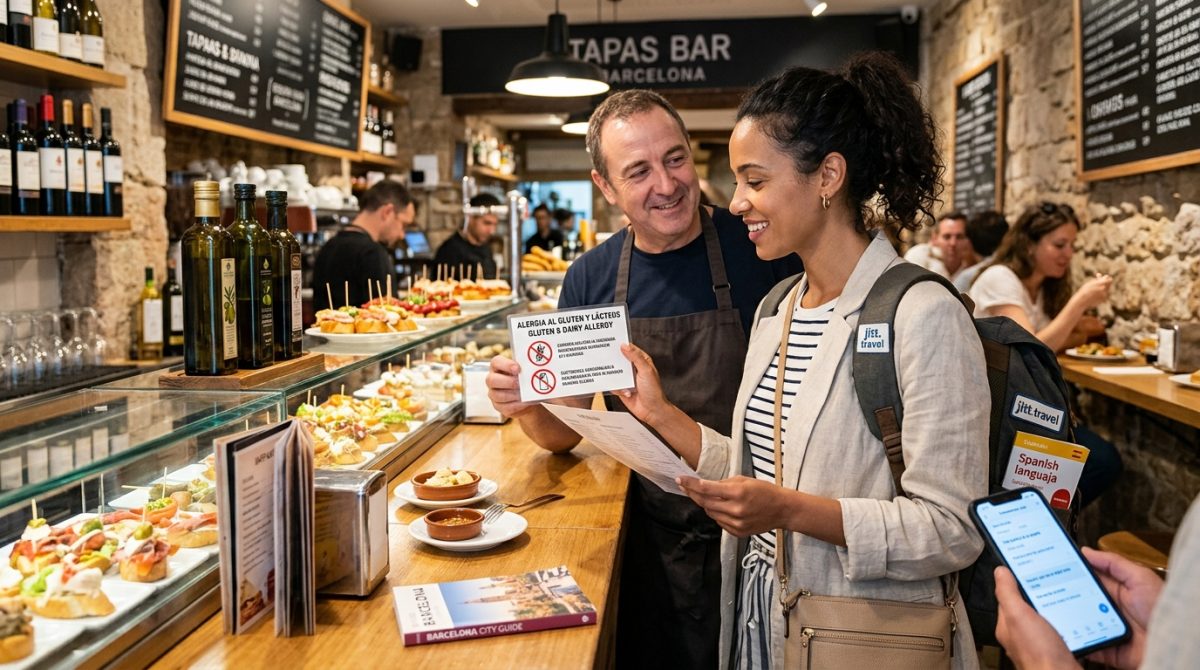
Flying to Tokyo with a severe peanut allergy feels terrifying. Ordering dinner in Rome when you have celiac disease can trigger anxiety. But millions of travelers with dietary restrictions visit foreign cities every year and return home safely, well-fed, and full of incredible food memories.
Traveling with food allergies internationally requires advance preparation, translated allergy cards, research into local cuisines, and clear communication strategies. Success depends on understanding which foods pose hidden risks in different cultures, identifying safe restaurant options before arrival, carrying emergency medications, and learning key phrases in the local language to advocate for your health needs confidently.
Prepare your medical safety net before departure
Your first priority is protecting yourself if something goes wrong.
Schedule an appointment with your allergist at least six weeks before departure. Discuss your destination and get prescriptions for all necessary medications with enough supply for your entire trip plus one week extra. Airlines lose luggage. Pharmacies abroad may not stock your specific brands.
Pack two epinephrine auto-injectors if you have anaphylactic allergies. Keep one in your carry-on bag and one in your checked luggage. Never pack all emergency medication in one place.
Get a letter from your doctor on official letterhead explaining your condition, listing all medications, and stating why you need to carry syringes, auto-injectors, or other medical devices. This letter should include generic drug names, not just brand names, since medication names vary internationally.
Purchase travel insurance that covers medical emergencies related to allergic reactions. Read the fine print. Some policies exclude pre-existing conditions. Others require you to disclose all allergies during purchase or they won’t pay claims.
Create translation cards that actually work
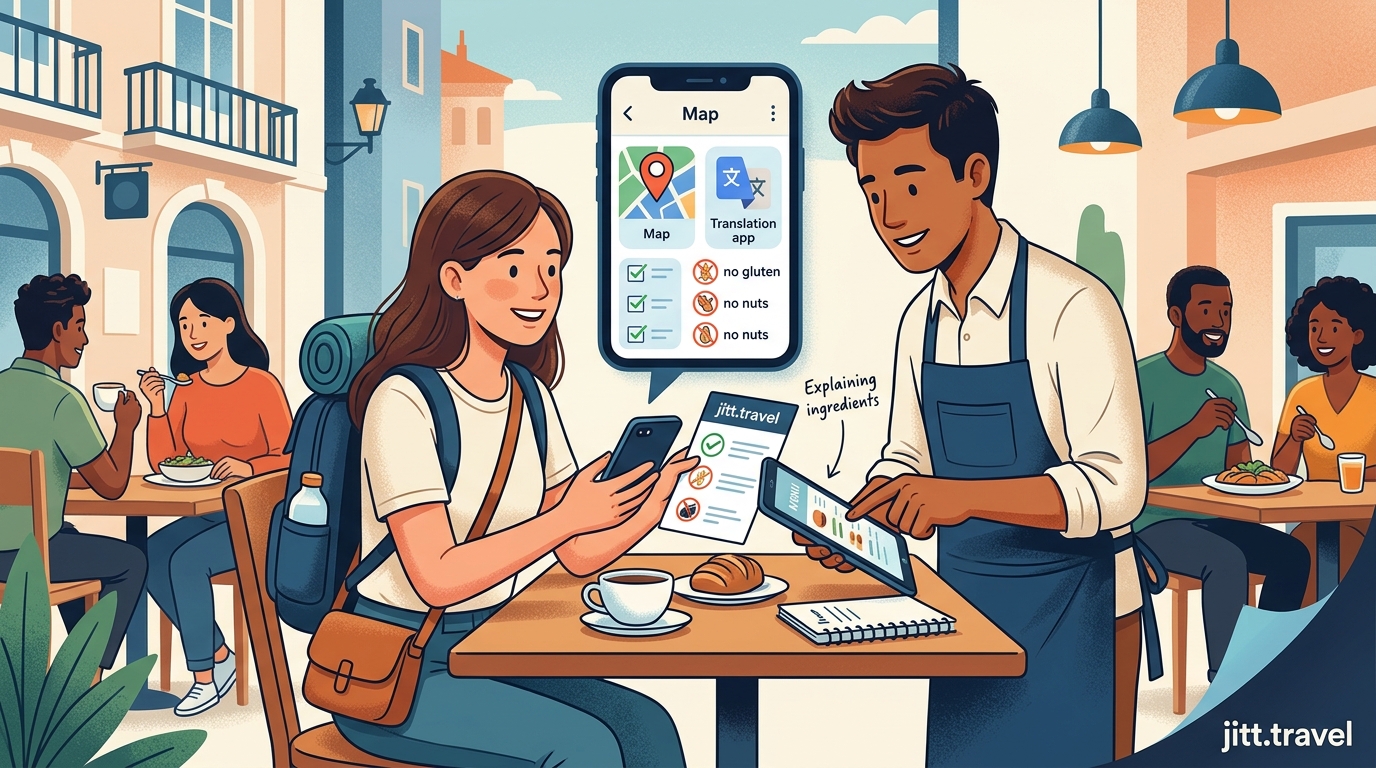
Generic allergy cards often fail because they use overly technical language or miss cultural context.
Your translation card needs three specific elements. First, a clear statement that you have a serious medical condition. Second, the exact foods you cannot eat, including less obvious derivatives. Third, a request for the reader’s help in keeping you safe.
Hire a professional translator, not a machine. Google Translate makes grammatical errors that confuse restaurant staff. A native speaker will use the right tone and phrasing that gets taken seriously.
Include these details on your card:
- The severity of your reaction (life-threatening vs. uncomfortable)
- Cross-contamination warnings if relevant
- Hidden ingredient names specific to that country
- A phone number for your hotel or a local emergency contact
Print cards on sturdy cardstock. Laminate them. You’ll use these dozens of times, and they need to survive being handled by many people in busy kitchens.
Make cards in multiple languages if you’re visiting several countries. Don’t assume English works everywhere, even in tourist areas.
Research cuisine patterns in your destination
Understanding local food culture prevents dangerous surprises.
Some allergies create bigger challenges in certain regions. Peanut allergies are particularly difficult in Thailand, where peanut oil and crushed peanuts appear in most dishes. Sesame allergies pose major problems in Middle Eastern countries where tahini is a staple. Shellfish allergies require extreme caution in coastal Asian cities where fish sauce seasons nearly everything.
Study common ingredients before you go. Learn which dishes traditionally contain your allergens and which are naturally safe. This knowledge lets you make informed choices when menus aren’t clear.
“I always research traditional preparation methods, not just ingredients lists. In Japan, I learned that many ‘vegetarian’ dishes contain dashi made from fish. That knowledge saved me countless times.” — Maria Chen, celiac traveler and food blogger
Create a list of naturally safe dishes from the local cuisine. Having five to ten reliable options reduces decision fatigue and stress. You won’t need to interrogate servers about every single menu item.
Master the art of restaurant communication

Your safety depends on how well you communicate with people who prepare your food.
Follow this process every single time you eat out:
- Call ahead during non-peak hours to discuss your allergies
- Arrive early before the kitchen gets overwhelmed
- Speak directly with the chef or manager, not just your server
- Show your translation card and confirm they understand
- Ask specific questions about preparation and cross-contamination
- Order simple dishes with fewer ingredients
- Thank the staff profusely and tip generously
Never apologize for your allergies. You’re not being difficult. You’re protecting your life.
Watch for these red flags that indicate a restaurant can’t safely accommodate you:
- Staff seem confused or dismissive about your concerns
- The kitchen is extremely busy with no time for special preparation
- Menu items are pre-made or come from outside vendors
- Language barriers prevent clear communication
- The server says “a little bit is okay” or “it’s only a small amount”
Walk out if you feel uncertain. Hunger is temporary. An allergic reaction ruins your entire trip.
Choose accommodations with kitchen access
Having control over some meals dramatically reduces risk and stress.
Book apartments, vacation rentals, or hotels with kitchenettes whenever possible. Preparing your own breakfast and snacks means you only need to navigate restaurants once or twice daily instead of three times.
Research grocery stores near your accommodation before arrival. Many international chains now label allergens clearly. Asian supermarkets often have extensive rice-based products. European stores frequently carry excellent gluten-free options.
Bring these items from home if you have space:
- Favorite safe snacks that travel well
- Protein bars or meal replacement options
- Seasonings and sauces you trust
- Portable utensils if cross-contamination is a concern
Pack a collapsible cooler bag and reusable ice packs. You can store safe foods in your hotel room and carry snacks during day trips.
Build your international food allergy toolkit
| Essential Item | Purpose | Pro Tip |
|---|---|---|
| Translation cards | Communicate allergies clearly | Get multiple copies in case you lose one |
| Epinephrine auto-injectors | Emergency anaphylaxis treatment | Check expiration dates monthly |
| Antihistamines | Mild reaction management | Pack both regular and fast-acting versions |
| Doctor’s letter | Explain medical devices to customs | Include doctor’s contact information |
| Restaurant research list | Pre-vetted safe dining options | Download offline maps to locations |
| Snack stash | Backup when safe food isn’t available | Choose items that won’t melt or spoil |
| Local emergency numbers | Fast access to medical help | Save in your phone with country codes |
Navigate language barriers with confidence
You don’t need fluency. You need specific, memorized phrases.
Learn these exact phrases in the local language:
- “I have a severe allergy to [allergen]”
- “I will become very sick if I eat [allergen]”
- “Does this dish contain [allergen]?”
- “Can you prepare this without [allergen]?”
- “Is there any cross-contamination risk?”
- “I need to speak with the chef”
- “This is a medical emergency”
Practice pronunciation with native speakers before your trip. YouTube has excellent resources. Language exchange apps connect you with people who will help you perfect these critical phrases.
Write phonetic pronunciations in your phone notes. When you’re stressed or tired, reading becomes easier than remembering.
Download offline translation apps. Internet access isn’t guaranteed everywhere you’ll eat.
Decode international food labels
Label reading becomes more complex when text is unfamiliar.
Many countries require allergen labeling, but formats vary. The European Union bolds allergens in ingredient lists. Japan uses specific allergen icons. Some countries have no requirements at all.
Download these apps before departure:
- Google Lens for instant label translation via camera
- Fig for scanning barcodes and identifying allergens
- Yuka for ingredient analysis in multiple languages
Learn the word for your allergen in the local language. Memorize common derivatives. Milk becomes lactose, whey, casein, and ghee. Wheat becomes gluten, semolina, and malt.
Stick to whole foods when possible. Fresh fruits, vegetables, and plain proteins carry less risk than packaged goods with long ingredient lists.
Connect with local allergy communities
You’re not the first person with your restrictions to visit this city.
Join Facebook groups for expats and travelers with allergies in your destination. Members share restaurant recommendations, grocery store finds, and emergency resources. This crowdsourced knowledge is invaluable.
Check local celiac associations, vegan societies, or religious dietary organizations. Kosher and halal certification systems often align with other dietary needs and maintain extensive restaurant databases.
Use apps like HappyCow for vegan options, Gluten Free Roads for celiac-safe restaurants, and Vanilla Bean for allergen-friendly dining worldwide.
Read recent reviews on Google Maps and TripAdvisor. Search for your specific allergy in the reviews. Other travelers often mention whether staff was knowledgeable and accommodating.
Handle common mistakes before they happen
Even careful travelers make errors. Anticipate these situations.
| Common Mistake | Why It Happens | Prevention Strategy |
|---|---|---|
| Trusting “allergy-friendly” labels without verification | Marketing terms aren’t regulated | Always read full ingredient lists |
| Eating street food without ingredient knowledge | Vendors may not speak your language | Only choose items you can identify visually |
| Assuming vegetarian means allergen-free | Dairy, eggs, and nuts appear in many vegetarian dishes | Specify your exact restrictions separately |
| Relying solely on servers for information | Servers may not know kitchen procedures | Insist on speaking with the chef |
| Skipping meals when uncertain | Hunger leads to risky decisions | Always carry safe backup snacks |
Create your personalized emergency action plan
Write down exactly what you’ll do if you have a reaction.
Your plan should include:
- Symptoms that require immediate epinephrine use
- The nearest hospital to each place you’re staying
- Emergency numbers with country codes already dialed
- Your hotel address in the local language for taxi drivers
- A contact person back home who knows your itinerary
- Your travel insurance emergency assistance number
- Photos of your medications and prescriptions
Share this plan with your travel companions. They need to know how to help you if you can’t communicate.
Save hospital locations in offline maps. You might not have internet during an emergency.
Program emergency contacts into your phone with “ICE” (In Case of Emergency) before the names. Paramedics know to look for these entries.
Test your strategies close to home first
Don’t make your first international allergy management experience a two-week trip to Southeast Asia.
Start with a weekend in a nearby city where a different language is spoken. Practice using your translation cards. Navigate unfamiliar grocery stores. Order meals in restaurants where you need to communicate your restrictions.
This trial run reveals gaps in your preparation. Maybe your translation card is too long and people don’t read it fully. Perhaps you need more backup snacks than you thought. You might realize certain cuisines work better for your restrictions than others.
Adjust your systems based on what you learn. Build confidence before higher-stakes international travel.
Find freedom through thorough preparation
Traveling with food allergies internationally stops being scary once you have reliable systems in place.
Your translation cards become second nature. You develop instincts about which restaurants take allergies seriously. You build a mental database of safe dishes across different cuisines. Each successful trip adds to your confidence and expertise.
The world stays accessible when you plan ahead, communicate clearly, and trust your judgment. Your allergies are part of your travel experience, not a reason to stay home. Pack your epinephrine, print your cards, research your restaurants, and book that flight. Adventure is waiting, and you’re ready for it.