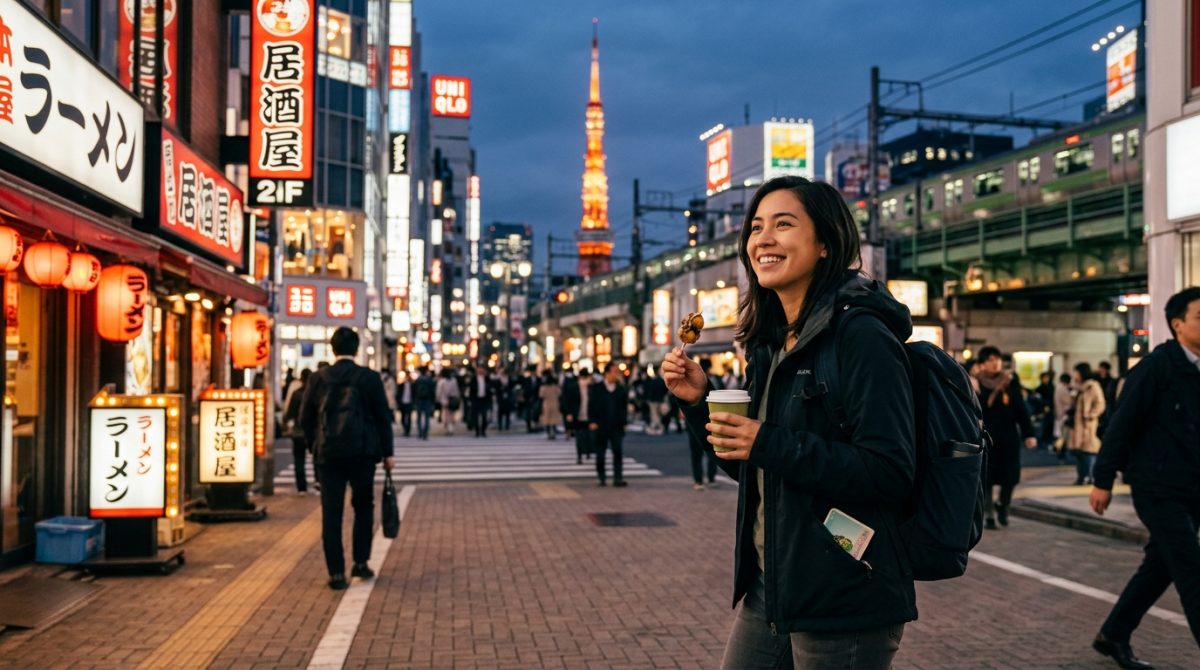
How to Spend 48 Hours in Tokyo Without Breaking the Bank

Tokyo doesn’t have to drain your savings account. With careful planning and smart choices, you can experience the city’s incredible energy, food scene, and culture in just two days without breaking th…

Tokyo doesn’t have to drain your savings account. With careful planning and smart choices, you can experience the city’s incredible energy, food scene, and culture in just two days without breaking the bank. This guide walks you through a realistic weekend itinerary that balances iconic experiences with wallet-friendly alternatives.

Key Takeaway

You can experience Tokyo’s highlights in 48 hours on a budget by focusing on free attractions, affordable local eateries, and strategic timing. Start early to maximize daylight hours, use convenient store meals to cut costs, and prioritize walkable neighborhoods like Shibuya, Harajuku, and Asakusa. With a transport pass and careful planning, expect to spend around $100-150 per day including accommodation, food, and activities.

Day One: West Tokyo and the Modern City

Your first day focuses on the western districts where modern Tokyo comes alive. Start at Shibuya Crossing around 8 AM before the crowds arrive. The famous intersection is free to experience, and early morning gives you clear photos without fighting through tourists.

Walk north to Yoyogi Park, a massive green space that costs nothing to enter. If you visit on a Sunday, you’ll catch street performers, musicians, and rockabilly dancers near the entrance. The park connects directly to Meiji Shrine, one of Tokyo’s most important Shinto sites with no admission fee.

Budget Breakfast Strategy

Skip hotel breakfast and head to a convenience store instead. Lawson, FamilyMart, and 7-Eleven offer rice balls for $1-2, fresh sandwiches for under $3, and decent coffee for about $1. This approach saves $10-15 compared to cafe breakfast prices.

After the shrine, walk through Harajuku’s backstreets toward Takeshita Street. The main drag gets packed by noon, but side alleys offer vintage clothing shops, small cafes, and people-watching opportunities. Crepes from street vendors cost $3-5 and make a solid mid-morning snack.

Affordable Lunch Options in Central Tokyo
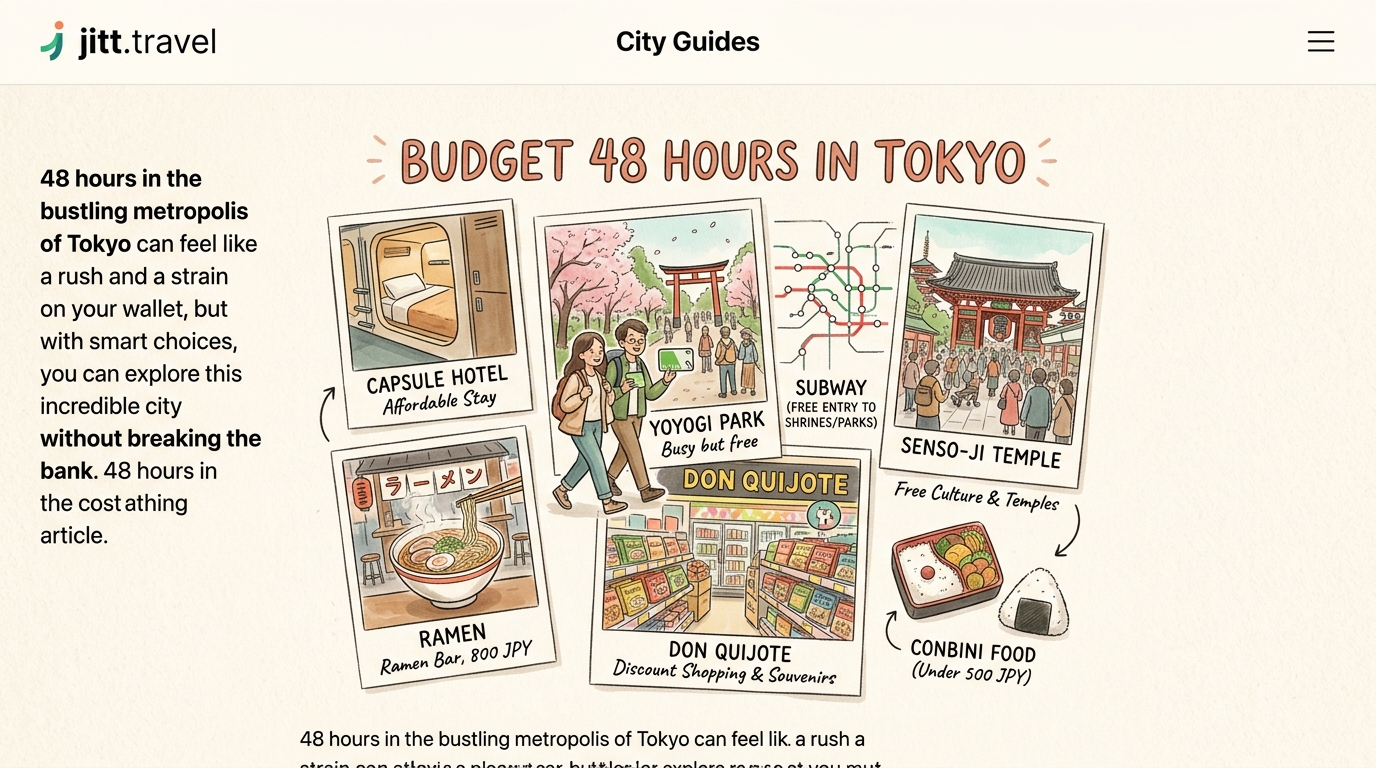
How to Spend 48 Hours in Tokyo Without Breaking the Bank - Illustration 1

For lunch, avoid tourist-heavy areas and look for standing soba shops or chain restaurants. Here’s what to expect:

Restaurant Type Average Cost What You Get
Standing soba shop $4-6 Hot noodles, tempura side
Yoshinoya/Sukiya $5-7 Rice bowl with protein
Conveyor belt sushi $10-15 8-10 pieces of sushi
Department store basement $6-10 Bento box, side dishes

Department store basements (depachika) offer incredible variety. Head to Shinjuku’s Takashimaya or Isetan around 1 PM for discounted lunch boxes from the morning prep.

Afternoon in Shinjuku

Shinjuku deserves at least three hours. The Tokyo Metropolitan Government Building offers free observation decks on the 45th floor with panoramic city views. Save the $20 you’d spend at Tokyo Tower or Skytree and get nearly identical perspectives.

Walk through Shinjuku Gyoen National Garden if you need green space. The $2 admission fee is worth it for 144 acres of landscaped gardens. Alternatively, window shop through the electronics stores in east Shinjuku or browse books at Kinokuniya’s flagship store.

“The best Tokyo experiences don’t require entrance fees. Walking through neighborhoods, observing daily life, and eating where locals eat gives you more authentic memories than any paid attraction.” – Yuki Tanaka, Tokyo tour guide

Evening Strategy for Maximum Value

Dinner presents your biggest opportunity to save or overspend. Avoid sit-down restaurants in Shinjuku or Shibuya where tourist prices inflate quickly. Instead, try these approaches:

  1. Find an izakaya (Japanese pub) during happy hour, typically 5-7 PM, for discounted drinks and food.
  2. Visit a supermarket after 7 PM when bento boxes and prepared foods get marked down 20-50%.
  3. Eat at chain restaurants like Ichiran (ramen), Matsuya (rice bowls), or Tenya (tempura) where quality stays consistent and prices stay low.

Ramen shops offer the best value for a filling meal. Expect to pay $7-10 for a large bowl that’ll keep you satisfied for hours. Look for shops with lines of locals rather than English menus plastered outside.

End your first evening in Golden Gai, a district of tiny bars in Shinjuku. While drinks aren’t cheap ($5-8 per beer), the atmosphere and architecture make it worthwhile for one drink. Many bars charge cover fees of $5-10, so check before sitting down.

Day Two: East Tokyo and Traditional Culture

Wake up early again. Tokyo rewards morning people with fewer crowds and better light for photos. Take the train to Asakusa, home to Senso-ji Temple, Tokyo’s oldest Buddhist temple. The complex opens before sunrise and costs nothing to visit.

The Nakamise shopping street leading to the temple sells traditional snacks, souvenirs, and crafts. Prices here run higher than elsewhere, but the atmosphere justifies browsing. Save your shopping budget for later.

Breakfast Near Senso-ji

Small cafes around Asakusa serve traditional Japanese breakfast sets for $6-8. You’ll get rice, miso soup, grilled fish, pickles, and tea. It’s a cultural experience that costs less than a Western-style brunch.

After the temple, walk along the Sumida River toward Tokyo Skytree. You don’t need to pay for the observation deck. The surrounding Solamachi shopping complex and parks offer great views of the tower itself for free.

Mid-Morning Markets and Local Life

Tsukiji Outer Market (the inner wholesale market moved, but the outer market remains) opens early and offers incredible street food. Budget $15-20 for a late breakfast or early lunch sampling various stalls:

  • Fresh sushi and sashimi: $3-5 per piece
  • Grilled scallops: $4-6
  • Tamagoyaki (egg omelet): $2-3
  • Fresh fruit: $3-5

Eat standing at counters or find a spot in the small park nearby. The market gets crowded after 10 AM, so arrive by 9 AM for the best experience.

Afternoon in Ueno

Ueno Park clusters multiple museums, a zoo, and temples in one walkable area. The park itself costs nothing. If you want museum access, choose one rather than trying to see everything. The Tokyo National Museum charges $7 and offers the most comprehensive collection.

Ueno’s Ameya-Yokocho market street runs parallel to the train tracks. This bustling shopping area sells everything from fresh fish to sneakers at negotiable prices. Even if you don’t buy anything, walking through shows you local commerce in action.

Smart Transportation Choices

Tokyo’s train system can eat your budget fast if you’re not careful. Here’s how to minimize costs:

  • Buy a 24-hour or 48-hour Tokyo Metro pass ($8 or $12) if you’ll take more than four rides per day
  • Walk between nearby stations rather than taking one-stop trips
  • Avoid JR lines when Metro lines cover the same route (Metro passes don’t work on JR)
  • Download Google Maps for accurate route planning and cost estimates

Most neighborhoods in this itinerary connect on foot. Shibuya to Harajuku takes 20 minutes walking. Harajuku to Shinjuku takes 30 minutes. Walking saves money and lets you see more street life.

Evening Options for Your Last Night

Your final evening depends on your energy level and remaining budget. Here are three approaches:

Budget Option: Grab convenience store food and drinks, then find a spot in Yoyogi Park or along the Sumida River for an impromptu picnic. Tokyo allows public drinking, and this costs under $10.

Mid-Range Option: Book a spot at a yakitori restaurant where you order grilled chicken skewers individually. Budget $20-25 for a filling meal with a couple of drinks.

Splurge Option: If you’ve saved throughout the trip, spend $40-50 on a proper izakaya experience with multiple small plates and drinks in Ebisu or Nakameguro.

After dinner, walk through Shibuya one more time to see the crossing lit up at night. The energy completely changes after dark. Alternatively, visit teamLab Borderless if it fits your budget ($25 admission), though booking ahead is essential.

Money-Saving Tactics That Actually Work

These strategies helped me cut costs significantly during multiple Tokyo trips:

  • Carry a refillable water bottle. Vending machines charge $1.50 for water, but many stations have fountains.
  • Eat your main meal at lunch when set menus cost 30-40% less than dinner prices at the same restaurant.
  • Visit shrines and temples early morning or late afternoon when tour groups aren’t there.
  • Use free WiFi at convenience stores and stations rather than renting a pocket WiFi device.
  • Stay in Ikebukuro or Ueno instead of Shibuya or Shinjuku for cheaper accommodation with equal train access.

Common Budget Mistakes to Avoid

Mistake Why It’s Costly Better Alternative
Taking taxis $15-30 per ride Walk or use trains
Eating near major stations 50% markup for location Walk 5-10 minutes away
Buying drinks from hotels $3-5 per bottle Convenience stores at $1-2
Last-minute attraction tickets Full price, possible sellouts Book online 2-3 days ahead
Airport express trains $25-30 one way Local trains at $10

Where Your Money Goes

For a realistic 48-hour budget breakdown, expect these rough costs:

  • Accommodation (budget hotel or hostel): $50-80 per night
  • Food (three meals plus snacks): $25-35 per day
  • Transportation (with day pass): $10-15 per day
  • Attractions (one or two paid sites): $10-20 total
  • Miscellaneous (souvenirs, drinks): $15-25

Total per person: $220-350 for the entire weekend, excluding flights. Staying in hostels, eating primarily at convenience stores and chain restaurants, and skipping paid attractions can push this closer to $150-200.

Making the Most of Limited Time

Two days barely scratches Tokyo’s surface, but that constraint forces you to focus on what matters most to you. Some travelers prioritize food and spend extra on meals while skipping museums. Others want cultural sites and save on accommodation by choosing capsule hotels.

The itinerary above balances major highlights with neighborhood wandering. Adjust based on your interests. Love fashion? Spend more time in Harajuku and Shimokitazawa. Prefer traditional culture? Add more temples and skip the modern shopping districts.

Tokyo rewards spontaneity. Leave gaps in your schedule for unexpected discoveries. That random ramen shop, the small shrine tucked between buildings, or the local festival you stumble across often become your best memories.

Your Weekend in Tokyo Starts Now

Planning a 48-hour Tokyo trip on a budget requires more research than throwing money at problems, but the effort pays off. You’ll eat better food, see more authentic neighborhoods, and return home with stories beyond the typical tourist checklist.

Book accommodation outside central areas, download offline maps, and pack comfortable shoes. Tokyo moves fast, but you don’t need to spend fast to keep up. Start early each day, stay flexible with your plans, and remember that the city’s best experiences often cost nothing at all.
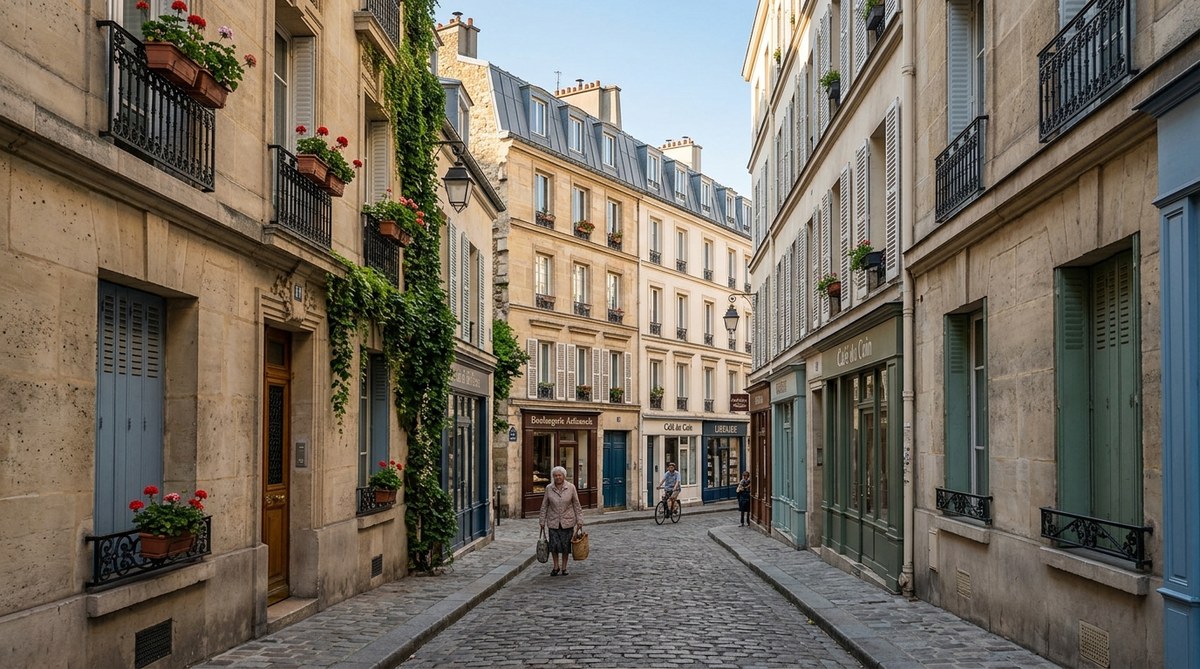
15 Hidden Neighborhoods in Paris That Most Tourists Never Discover

Paris has a secret life that most visitors never witness. While thousands crowd around the Eiffel Tower and shuffle through the Louvre, entire neighborhoods hum with authentic Parisian rhythms just bl…

Paris has a secret life that most visitors never witness. While thousands crowd around the Eiffel Tower and shuffle through the Louvre, entire neighborhoods hum with authentic Parisian rhythms just blocks away.

These aren’t the Paris postcard districts. They’re the places where locals buy their morning croissants, where artists rent affordable studios, and where you’ll hear more French than English on the streets.

Key Takeaway

Paris holds dozens of authentic neighborhoods that most tourists never visit. Areas like La Campagne à Paris, Butte aux Cailles, and Canal Saint-Martin offer genuine local experiences, charming cafés, street art, and peaceful streets without tour bus crowds. These districts reveal the real Paris where residents actually live, work, and socialize daily. Skip the tourist traps and spend time where Parisians do.

Why Most Travelers Miss the Real Paris

Tourist itineraries follow the same tired loop. Champs-Élysées. Notre-Dame. Montmartre’s Sacré-Cœur.

Nothing wrong with those landmarks. But they represent maybe 5% of what Paris actually offers.

The problem? Guidebooks repeat the same dozen neighborhoods. Travel blogs copy each other. Everyone ends up in the same spots, wondering why Paris feels so crowded and expensive.

Meanwhile, entire arrondissements remain virtually tourist-free. Places with better food, lower prices, and actual character.

La Campagne à Paris: The Village That Time Forgot

Tucked in the 20th arrondissement, La Campagne à Paris feels like someone dropped a provincial village into the middle of the city.

Cobblestone lanes wind between ivy-covered cottages. Gardens spill over low fences. Birds actually outnumber car horns.

Built in the 1920s as worker housing, the neighborhood maintains strict architectural codes. No buildings over two stories. No modern facades. The result feels more like rural Provence than urban Paris.

Getting there requires intention. No metro stops sit directly in the neighborhood. That’s exactly why it stays peaceful.

Walk along Rue Jules Siegfried or Rue Irénée Blanc. You’ll pass maybe three other people. All locals.

Butte aux Cailles: Street Art and Revolutionary Spirit

This hilltop neighborhood in the 13th arrondissement has always marched to its own beat.

During the Paris Commune of 1871, residents here held out longer than anywhere else. That independent streak never left.

Today, street art covers nearly every surface. Not random tags, but actual murals by talented artists. The neighborhood has become an open-air gallery.

Rue de la Butte aux Cailles forms the main artery. Small bars and restaurants line the street, most family-owned for decades.

Try Le Temps des Cerises, a cooperative restaurant run by its workers since 1976. The food’s solid, the prices fair, and the vibe genuinely local.

The neighborhood also has natural swimming pools fed by artesian wells. Piscine de la Butte aux Cailles lets you swim in 28°C water year-round, no chemicals added.

Canal Saint-Martin: Where Young Parisians Actually Hang Out

Technically, Canal Saint-Martin isn’t unknown. But most tourists only see the Instagram-famous locks near République.

Walk north past those crowds. The canal stretches for kilometers, and the further you go, the better it gets.

Around Quai de Jemmapes and Quai de Valmy, locals spread out on the stone banks. They bring wine, cheese, and speakers. Especially on summer evenings.

The neighborhood attracts a younger, creative crowd. Vintage shops, record stores, and independent bookstores cluster along the side streets.

Café Craft on Rue des Vinaigriers serves excellent coffee without the tourist markup. Chez Prune remains a neighborhood institution, though it’s gotten busier in recent years.

For food, try the side streets. Rue Beaurepaire and Rue Yves Toudic hide excellent restaurants that change seasonally.

La Mouzaïa: Another Secret Village

Like La Campagne à Paris, La Mouzaïa in the 19th arrondissement feels impossibly rural for central Paris.

The neighborhood consists of narrow pedestrian passages lined with small houses. Each has a tiny garden, many overflowing with roses and wisteria.

Villa de Bellevue, Villa Alexandre Ribot, and Villa du Borrégo form the heart of the area. These aren’t grand villas but modest workers’ cottages built in the late 1800s.

Hardly anyone visits. Even Parisians from other arrondissements often haven’t heard of it.

The neighborhood sits near Parc des Buttes-Chaumont, one of Paris’s most beautiful parks and itself relatively tourist-free.

Batignolles: The Organic Market District

The 17th arrondissement doesn’t make many Paris itineraries. That’s a mistake.

Batignolles centers around Rue des Batignolles, a market street that’s been serving locals since the 1800s.

Every Saturday, the organic market takes over Boulevard des Batignolles. It’s one of Paris’s best, with producers coming directly from surrounding farms.

The neighborhood has a village feel despite being fully urban. Small squares host neighborhood gatherings. Cafés know their regulars by name.

Parc Martin Luther King, opened in 2007, gives the area green space. It’s modern, well-designed, and almost never crowded.

For coffee, head to KB CaféShop on Rue des Dames. For dinner, try Le Réciproque on Rue Legendre.

How to Choose Which Neighborhood to Visit

Not every hidden neighborhood will suit every traveler. Here’s how to match your interests:

Interest Best Neighborhood Why
Street art Butte aux Cailles Murals cover entire buildings
Quiet walks La Campagne à Paris Feels rural, almost no traffic
Local nightlife Canal Saint-Martin Young crowd, casual bars
Markets Batignolles Excellent organic market
Architecture La Mouzaïa Unique cottage-style houses

Common Mistakes When Seeking Authentic Paris

Even travelers who know to avoid tourist traps make predictable errors:

  • Going at peak times. Visit neighborhoods on weekday mornings when locals run errands.
  • Expecting English everywhere. These areas cater to Parisians. Brush up on basic French.
  • Looking for “hidden gems” on Instagram. If it has 50,000 posts, it’s not hidden anymore.
  • Rushing through. Authentic neighborhoods reveal themselves slowly. Spend at least half a day.
  • Only visiting one. Paris has dozens of these areas. See several to understand the pattern.

Getting Around These Neighborhoods

Most hidden neighborhoods in Paris connect well to metro lines, just not always to the most famous stations.

  1. Buy a carnet of 10 metro tickets. It’s cheaper than buying individually and you’ll use them all.
  2. Download the RATP app for real-time transit information in English.
  3. Consider renting a Vélib bike for longer distances between neighborhoods.
  4. Walk whenever possible. These areas reward wandering.
  5. Save offline maps on your phone. Cell service works fine, but offline maps don’t drain battery.

The metro might drop you a 10-minute walk from the actual neighborhood. That’s intentional. The walk is part of the experience.

What to Do Once You Arrive

Forget structured itineraries. These neighborhoods work differently.

Find a café and sit for an hour. Watch how locals interact. Notice the pace.

Walk the residential streets, not just the commercial ones. Peer into courtyards. Admire doorways. Architecture tells stories.

If you see a market, wander through even if you’re not buying. Markets reveal what people actually eat, not what restaurants think tourists want.

Strike up conversations if you speak French. Parisians in these neighborhoods are generally friendlier than those in tourist zones. They’re not exhausted from answering the same questions 50 times daily.

“The real Paris exists in the neighborhoods where people live their actual lives. Not the Paris of monuments and museums, but the Paris of morning bread runs and evening aperitifs. That Paris welcomes curious visitors who show genuine interest.” — Long-time Paris resident

Best Times to Visit These Areas

Timing matters more in residential neighborhoods than tourist districts.

Weekday mornings (8am to 11am) offer the most authentic experience. Locals shop at markets, sit in cafés, and move through their routines.

Weekend afternoons work well for neighborhoods with park space. Families come out, creating a lively but relaxed atmosphere.

Avoid Monday mornings. Many small shops and restaurants close Mondays.

Summer evenings along Canal Saint-Martin get crowded with locals. That’s actually good. You’re seeing genuine Parisian social life, not a tourist simulation.

Neighborhoods to Pair Together

Some hidden areas sit close enough to visit in one day:

  • La Campagne à Paris and Butte aux Cailles both sit in the east, connected by a pleasant 30-minute walk.
  • La Mouzaïa and Parc des Buttes-Chaumont form a natural pairing in the 19th arrondissement.
  • Batignolles and the quieter parts of Montmartre (not Sacré-Cœur) share the 17th and 18th arrondissements.

Don’t try to see more than two or three in a day. The point is to slow down, not check boxes.

Food in Local Neighborhoods

Tourist districts charge tourist prices. These neighborhoods don’t.

Look for:

  • Small restaurants with handwritten menus
  • Cafés where locals read newspapers for hours
  • Bakeries with lines of neighborhood residents
  • Wine bars with natural wine selections
  • Markets where producers sell directly

Avoid:

  • Places with picture menus in five languages
  • Restaurants with staff standing outside recruiting customers
  • Anywhere advertising “traditional French food”
  • Spots with tourist-friendly pricing in dollars or pounds

A good rule: if you hear more English than French, keep walking.

Safety and Practical Concerns

These neighborhoods are generally safer than tourist hotspots. Pickpockets target crowds, and these areas don’t have crowds.

Standard city awareness applies:

  • Keep valuables secured and out of sight
  • Stay aware of your surroundings
  • Avoid poorly lit areas late at night
  • Trust your instincts

The biggest “danger” is getting pleasantly lost. Bring a charged phone with offline maps.

Some areas have limited English signage. That’s part of the appeal, but it means doing homework beforehand.

Beyond the Neighborhoods Listed Here

Paris has dozens more areas worth visiting:

  • Ménilmontant in the 20th
  • Charonne near Père Lachaise
  • The quiet parts of the 13th near Bibliothèque François Mitterrand
  • Pernety in the 14th
  • The villages of Belleville

Each arrondissement has pockets that tourists miss. The pattern repeats: residential streets, local shops, neighborhood cafés, authentic life.

Once you understand what to look for, you’ll spot these areas everywhere.

Planning Your Off-the-Beaten-Path Paris Trip

Start by choosing two or three neighborhoods that match your interests. Research their locations and nearby metro stops.

Book accommodations outside the tourist center. The 10th, 11th, 19th, and 20th arrondissements offer better value and more authentic experiences.

Build flexibility into your schedule. The joy of these neighborhoods comes from wandering, not rushing between planned activities.

Learn basic French phrases. Even failed attempts earn goodwill in areas where English isn’t assumed.

Lower your expectations for Instagram-worthy moments. These neighborhoods photograph beautifully, but they’re not designed for social media. They’re designed for living.

Where Parisians Actually Spend Their Time

The hidden neighborhoods in Paris share common traits. They’re residential first, commercial second. They developed organically over decades or centuries. They serve local needs before tourist desires.

Most importantly, they remind you that Paris is a living city, not a museum.

Millions of people wake up here every day, send their kids to school, commain about work, meet friends for drinks, and go to bed. That Paris, the everyday Paris, is more interesting than any monument.

It’s also more welcoming. Once you step off the tourist circuit, you stop being a walking wallet. You become a curious visitor, and Parisians respond differently to that.

Give these neighborhoods the time they deserve. Sit longer. Walk slower. Talk more. You’ll leave with better stories than anyone who spent their whole trip waiting in line at Versailles.